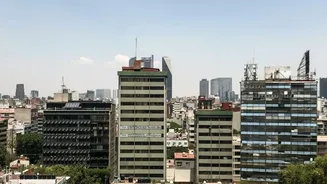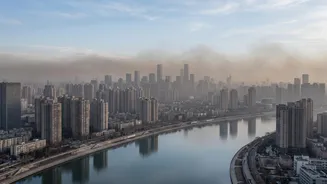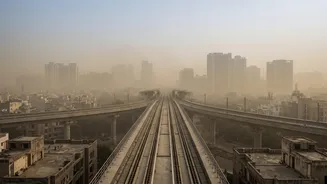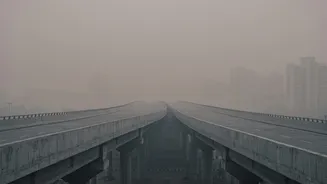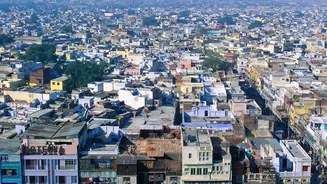








As October arrives, a familiar haze begins to settle over Delhi-NCR. This isn't just a coincidence; it's the result of a complex interplay of changing weather patterns that creates a perfect storm for dangerously high air pollution levels.
The October Meteorological Shift
October marks
a critical transition period for weather in North India. The southwest monsoon has withdrawn, taking with it the strong winds and rain that wash pollutants from the atmosphere. Following a relatively clean September, the air in early October 2026 has already seen a significant dip in quality, with the Air Quality Index (AQI) reaching its worst levels in months. This shift is driven by two primary meteorological factors: falling temperatures and changes in wind patterns. As the month progresses, these conditions become increasingly unfavourable, setting the stage for the severe pollution episodes Delhi is known for.
The Temperature Inversion Trap
One of the most significant factors is a phenomenon called 'temperature inversion'. During summer, the ground is warm, heating the air near it. This warmer, lighter air rises, carrying pollutants up and away. In October, as nights get cooler, the ground cools down rapidly, making the air near the surface colder and denser than the air layer above it. This warmer layer of air acts like a lid, trapping the cooler air—and all the pollutants within it—close to the ground. This vertical trapping prevents pollutants from dispersing into the upper atmosphere, causing them to accumulate at breathing level. The effects are strongest at night and in the early morning, which is why experts often advise against morning walks during this season.
When Winds Weaken and Change Direction
The second major piece of the puzzle is the wind. Post-monsoon, wind speeds over Delhi-NCR drop significantly. Strong winds are crucial for dispersing pollutants horizontally, blowing them out of the city's airshed. When winds become calm or very slow, there's nothing to push the polluted air away, allowing it to stagnate and concentrate. Furthermore, the wind direction changes. The prevailing winds start to blow from the northwest. This is particularly problematic because they pass over the states of Punjab and Haryana, picking up smoke and particulate matter from agricultural activities.
The Stubble Burning Connection
The shift to north-westerly winds directly coincides with the post-harvest season for paddy crops in neighbouring states, where farmers burn crop residue, or stubble, to clear their fields. This practice releases enormous plumes of smoke, rich in PM2.5—tiny, harmful particles that can penetrate deep into the lungs. The north-westerly winds transport this smoke directly towards the landlocked capital. While stubble burning is an episodic event, its timing and intensity can turn 'poor' air days into 'severe' ones, sometimes contributing up to 45% of Delhi's pollution on peak days. Incidents of farm fires have already been reported in early October, signalling the start of this annual crisis.
A Cocktail of Local Pollution
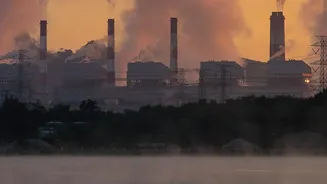
While meteorological conditions and stubble burning act as major triggers, they exacerbate a problem that exists year-round. Delhi-NCR has a high baseline of pollution from local sources. These include vehicular emissions, which account for a significant portion of pollutants, industrial discharge, dust from construction sites, and waste burning. During other times of the year, more favourable weather helps disperse these emissions. In October, however, the combination of temperature inversion and slow winds traps this cocktail of local pollutants, compounding the problem and leading to the alarming AQI levels that define the city's air quality crisis.