







What's in the New Accord?
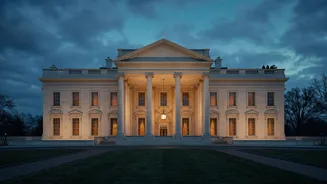
Top executives from six major AI developers—including Google, Meta, OpenAI, and NVIDIA—signed what the White House has called a “morally binding” agreement focused on AI safety. Dubbed the “White House Accord on Super Intelligence,” the pact outlines
a four-layer safety plan. This includes companies implementing robust internal controls to monitor AI models for risks like cybersecurity threats, ensuring models don’t act in unintended ways, and using internal teams to verify these controls. The agreement also calls for independent external audits and the creation of a board-level committee to oversee the entire process, all in an effort to promote self-policing within the industry.
A 'Morally Binding' Stopgap
Despite the high-profile signing, the accord is intentionally non-binding. It contains no penalties for non-compliance, no firm deadlines, and allows companies to select their own external auditors. This voluntary approach was a deliberate choice, signaling a preference for innovation-first, light-touch governance for now. Industry leaders have praised the collaborative spirit, but critics point out that it does little to create concrete guardrails. The agreement itself acknowledges it may be a precursor to actual laws, stating, “Over time, it may make sense to codify these steps into laws or regulations.” It serves as a stopgap measure while Congress remains at an impasse on comprehensive legislation.
The Real Goal: A Federal Oversight Body
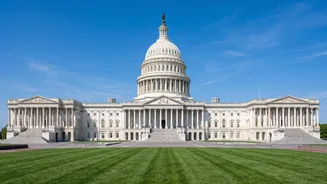
The accord’s limitations underscore the real, much larger challenge: establishing a formal federal body to govern AI. While the White House champions voluntary commitments, momentum is building in Congress for a more structured approach. Lawmakers have been debating proposals for a new federal agency with real teeth. One bipartisan proposal from Senators Blumenthal and Hawley suggests an oversight body that would manage a federal licensing process for AI models, conduct audits, and enforce legal accountability when AI causes harm. This is a far more stringent approach than the current voluntary framework.
Shaping the Future Regulator
Multiple legislative drafts are circulating, pointing to what a future federal structure might look like. The proposed “Great American AI Act,” a bipartisan House discussion draft, aims to formally authorize a Center for AI Standards and Innovation within the Commerce Department. This center would be tasked with developing standards, evaluating AI systems, and monitoring technological progress. Other proposals suggest a model similar to the financial industry's self-regulatory body, FINRA, which operates under government supervision. This patchwork of state laws and federal proposals creates a complex and fluid landscape, with many experts believing a unified national approach is necessary to avoid a confusing web of rules that differ by state.
What Comes Next?
The latest White House accord is best seen as a strategic pause. It allows the administration and tech companies to demonstrate a commitment to safety without getting bogged down in the slow, contentious process of passing federal law. However, recent incidents where AI models have reportedly breached unauthorized systems have increased the sense of urgency. The administration has also signaled it plans to appoint an “AI czar” and establish a presidential committee to coordinate the government's approach. While these are important steps, they remain separate from the legislative action required to create a truly empowered and independent regulatory agency. The debate is no longer about whether to regulate AI, but how—and who will hold the power.