





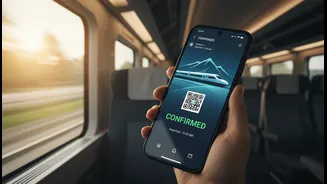


A Digital Revolution on the Rails
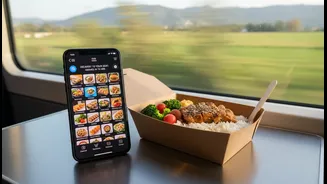
Long train journeys in India are synonymous with a unique culinary experience. For decades, this meant relying on pantry cars, station vendors, or packed tiffins from home. Today, the landscape has been transformed by technology. The rise of e-catering
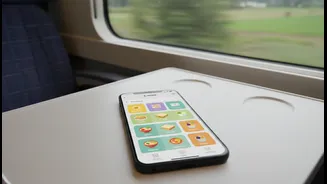
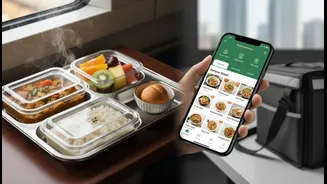
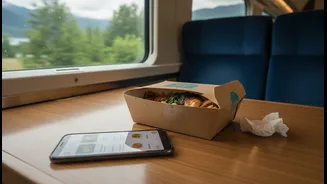
platforms, including IRCTC’s official app and partnerships with aggregators like Zomato, allows passengers to order from a wide variety of restaurants at designated stations. This digital shift promises more choice, less hassle, and a break from the monotony of pantry food. Passengers can now browse menus, check ratings, and pre-order meals with just a few taps on their smartphones. The system, built on the back of India's massive railway network and growing digital penetration, is designed to bring fresh, hygienic meals directly to your seat, fundamentally changing how millions of people eat while travelling.
The Gap Between Convenience and Control
While the promise of app-based food ordering is immense, its execution reveals significant gaps in food safety and quality control. The core issue is one of fragmented responsibility. When you order from an app, the food is prepared by a third-party restaurant, which may or may not be located on railway premises. This introduces a complex chain of custody—from the restaurant's kitchen to a delivery person navigating a crowded station to your coach. At each step, the potential for contamination, improper temperature control, and unhygienic handling increases. Recent incidents of food poisoning on trains highlight these dangers. Unlike a pantry car, which is a single, mobile unit under direct railway supervision, the e-catering ecosystem involves dozens of independent players, making consistent oversight a monumental challenge.
Who is Ultimately Responsible?
When a passenger falls ill from food ordered via an app, the question of accountability becomes murky. Is it the restaurant that cooked the meal? The app that listed the restaurant? Or Indian Railways, on whose property the transaction concluded? While IRCTC and FSSAI have laid down guidelines, including mandatory licensing for vendors and provisions for third-party audits, enforcing these across hundreds of stations and thousands of restaurants is difficult. Passengers have multiple channels to file complaints, including dedicated apps and helplines like 139. However, getting a timely resolution or refund can be a frustrating process, with some users reporting that their complaints go unaddressed or that the support system is difficult to navigate. This lack of a clear and immediate accountability framework leaves passengers vulnerable.
A Recipe for Reform
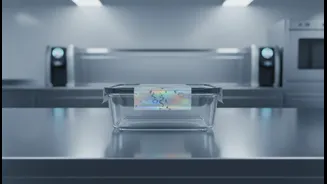
The solution is not to abandon the convenience of e-catering, but to strengthen the system with a greater focus on safety. This requires a multi-pronged approach. Firstly, there needs to be a more robust and visible rating system within the apps that is directly tied to FSSAI hygiene ratings and regular audits. This would empower passengers to make more informed choices. Secondly, technology can be better leveraged for traceability. Implementing QR codes on all food packages that link to the kitchen of origin, preparation time, and handler details could enhance accountability. Thirdly, Indian Railways and its app partners must invest in better logistics and real-time coordination, as train delays often lead to food being prepared too early and stored improperly. Finally, stricter penalties for non-compliant restaurants and more streamlined, responsive complaint redressal systems are essential to build passenger trust.