




The Basic Technique
The magic of the pencil bun lies in its simplicity and the use of tension. The core method involves gathering your hair, twisting it, and then using the pencil to anchor the bun to the hair on your scalp. Start by pulling your hair into a ponytail at your desired
height—no hair tie needed. Twist the ponytail tightly from the base all the way to the ends. The tighter you twist, the more secure your bun will be. Next, coil the twisted hair around its own base, forming a dense bun shape. Hold it in place with one hand while you grab your pencil with the other.
How to Secure the Bun
Properly inserting the pencil is the key to a long-lasting hold. Take the pencil and push it into the top edge of the bun. The trick is to weave it through, catching hair from the main bun and then angling it down to pick up hair from the base, close to your scalp. Once you've woven it through, the pencil should feel snug. If the bun feels wobbly, simply pull the pencil out and try again, making sure to anchor it by catching more hair from the base of the bun. Another popular method involves wrapping your hair directly around the pencil before twisting it into place, which can provide an even tighter hold for some hair types. This technique has been a go-to for decades, a quick fix for students and professionals alike.
Choosing Your Tool Wisely
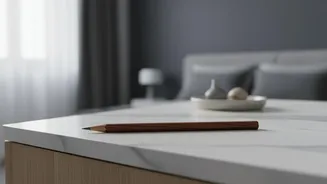
Not all writing implements are created equal for this task. A classic wooden pencil often works best because its slightly rougher texture provides more grip than a slick plastic pen. It's crucial to use an unsharpened or dull pencil to avoid accidentally poking or scratching your scalp. Any metal parts, like the ferrule that holds an eraser, can snag and pull your hair, so a simple, smooth pencil is ideal. If you find you love the style, you can even upgrade to decorative hair sticks or chopsticks, which are essentially more elegant versions of the same tool.
Tips for Different Hair Types
This hairstyle is surprisingly versatile, but some adjustments can help. Day-old hair often works better than freshly washed, as it has more natural texture and grip. If your hair is very clean or silky, a bit of texturizing spray or dry shampoo can make a world of difference. For those with very thick or long hair, a longer, sturdier pencil might be necessary, and you may need to wrap the hair around the pencil twice for a secure hold. People with finer hair might find that a tighter initial twist and a smaller bun help the pencil hold more securely. The technique generally works best for shoulder-length hair or longer.
Safety and Hair Health
While this is a fantastic trick, it’s important to be gentle. Avoid jamming the pencil against your scalp with force, which could cause an abrasion or irritation. One hairstylist warns against using any sharp or pointed objects directly on the scalp to prevent damage or potential infection. Furthermore, pulling the hair too tight can cause tension and potential breakage over time. The goal is a bun that feels secure, not painfully tight. Listen to your scalp and if you feel discomfort, loosen the bun or try a different placement. This is a style best used for temporary hold rather than an all-day, everyday solution if you are prone to tension headaches or hair breakage.