




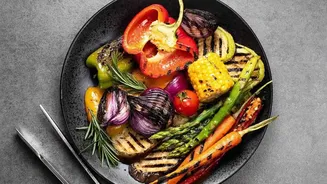

The 'Pretty Equals Healthy' Bias
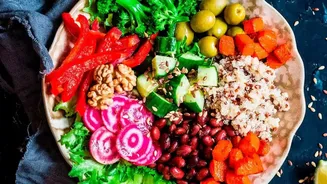
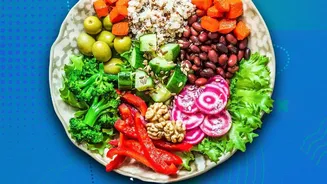
It’s a powerful, subconscious bias: we tend to believe that aesthetically pleasing food is healthier for us. Researchers have found that when food is presented with 'classical' aesthetic qualities like order, symmetry, and balance, people perceive it as more
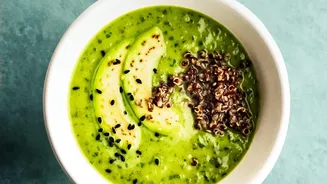
natural and nutritious. In one study, participants were shown two images of avocado toast with identical ingredients. They consistently rated the 'prettier,' more orderly version as healthier and more natural than its 'ugly' counterpart. This effect isn't just about salads and health foods. Even for indulgent items like pizza, a perfectly round shape with evenly distributed toppings can make it seem healthier than a sloppy, misshapen slice.
Why Our Brains Are Hardwired for Beauty
This connection between beauty and health isn't entirely our fault; it has roots in evolutionary psychology. For our ancestors, visual cues were critical for survival. Brightly coloured fruits were likely ripe and full of nutrients, while dull, misshapen, or discoloured food could signal decay and danger. Classical aesthetics often mimic patterns found in nature, like the symmetry of a honeycomb or a butterfly's wings. Because we associate these organised, symmetrical patterns with the natural world, our brains create a shortcut: pretty equals natural, and natural equals healthy. This visual assessment happens in seconds, long before we ever taste the food, shaping our expectations and choices.
The Key Visual Cues That Fool Us
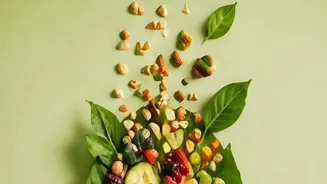
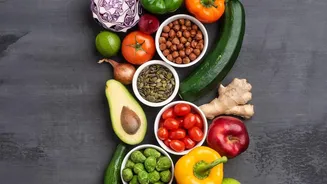
Scientists have pinpointed several specific visual elements that influence our perception. Colour is a major factor; vibrant, contrasting colours on a plate are not only more appealing but are often associated with a wider variety of vitamins and minerals. For example, green is often linked to sourness or freshness, while red can suggest sweetness. The arrangement also plays a crucial role. Food that is neatly organised or presented symmetrically is perceived as more appealing and of higher quality. Even the plate itself matters. Studies show that the same food served on a more beautiful or aesthetically pleasing plate is often rated as tastier and healthier.
The Downside: When Our Eyes Deceive Us
This 'pretty food' bias can be a problem. It creates what psychologists call a 'health halo,' where we might overestimate the nutritional value of a beautifully presented, but otherwise unhealthy, meal. Food marketers, restaurants, and social media influencers are well aware of this phenomenon. They use professional food styling to make products look as appealing as possible, often triggering our brain's reward centre. This can lead us to believe a styled burger is healthier than it is, or that a perfectly swirled smoothie is better for us than a lumpy one, even if the ingredients are identical. Research has shown that prettiness can not only make us think food is healthier but also increase our willingness to pay more for it.