

Kashmiri Kahwa: A Sip of Paradise
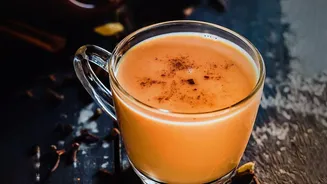
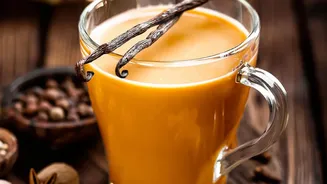
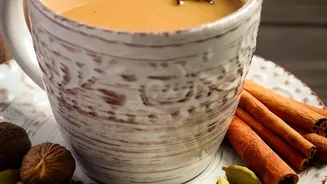
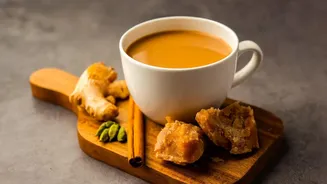
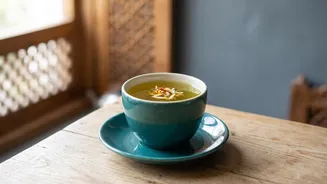
Straight from the valleys of Kashmir, Kahwa is more a ritual than a beverage. This traditional green tea is a fragrant, soul-warming brew, traditionally prepared in a brass kettle called a samovar. It’s infused with an array of delicate spices like cinnamon,
cloves, and cardamom, but the star ingredient is saffron, which lends it a beautiful golden hue and an unmistakable aroma. Served with a garnish of slivered almonds or walnuts, each cup is a gesture of hospitality and a perfect antidote to the cold. It’s a gentle, restorative drink, reflecting the serene beauty of its homeland.
Nilgiri Tea: The Pride of the Blue Mountains
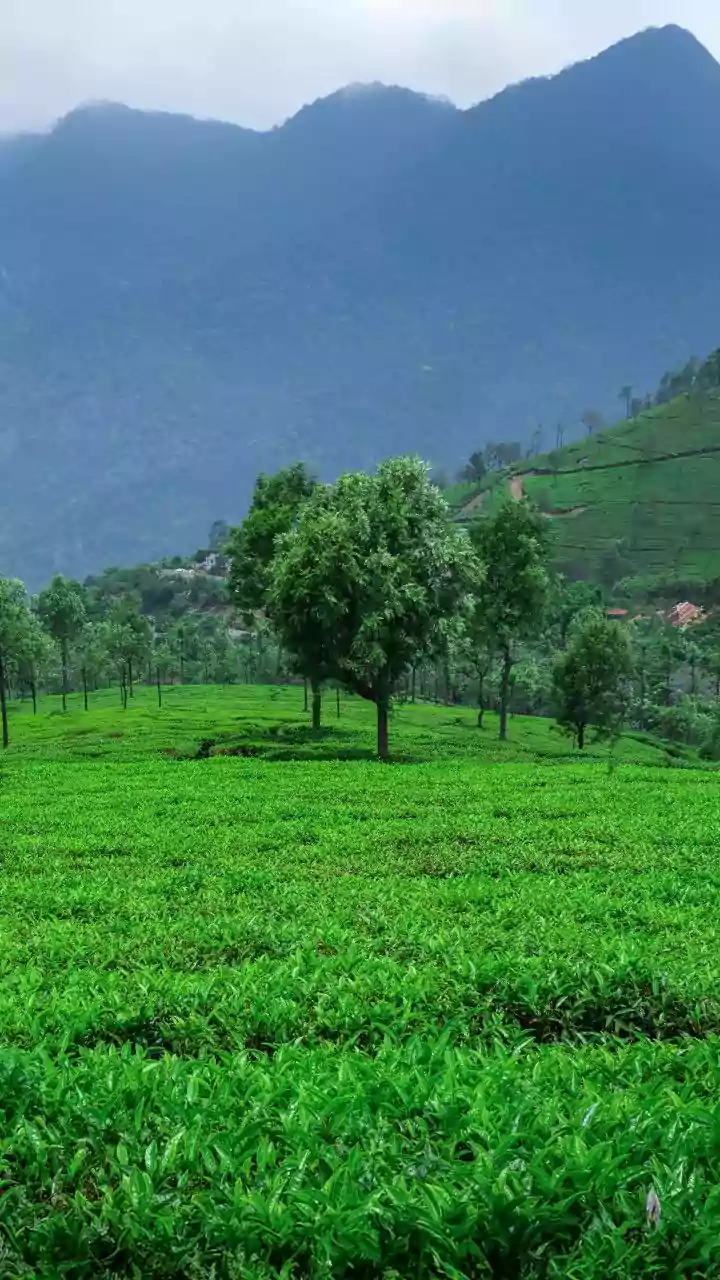
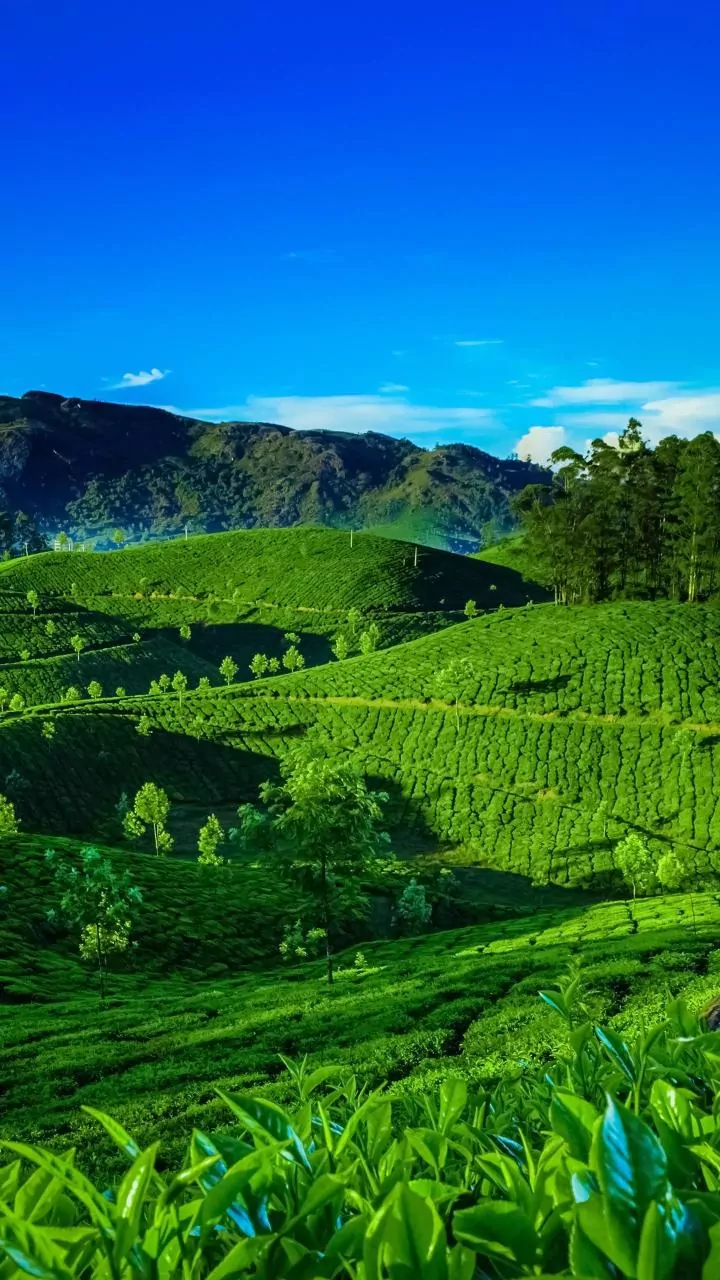
Often overshadowed by its more famous cousins from Assam and Darjeeling, Nilgiri tea is a hidden gem from the Blue Mountains of Southern India. Cultivated in the Western Ghats, this tea is intensely aromatic, fragrant, and wonderfully balanced. Unlike bolder black teas, Nilgiri brews are known for their bright, clean flavour and low astringency, making them exceptionally smooth. With distinct floral and fruity notes, it's often enjoyed without milk to appreciate its delicate complexity. It's also a popular choice for iced tea because it doesn't cloud when chilled.
Ladakhi Butter Tea: The High-Altitude Energiser
Known locally as 'Gur Gur Chai', this is not your typical sweet, milky tea. A staple in the high-altitude regions of Ladakh, this unique beverage is salty, buttery, and designed to provide much-needed energy in the harsh, cold climate. It's made by brewing tea leaves and then churning them with yak butter and salt. The result is a thick, creamy, and savoury concoction that is warming and incredibly nourishing. While it can be an acquired taste for some, for the people of Ladakh, Gur Gur Chai is a symbol of warmth and community.
Hyderabadi Irani Chai: A Rich, Creamy Classic
A legacy of Persian immigrants, Irani chai is a beloved institution in Hyderabad. What sets it apart is its unique preparation method. A strong, potent tea decoction is brewed separately from the milk, which is slowly boiled for hours, often with condensed milk or mawa (milk solids), until it becomes thick and creamy. The two are only combined in the cup just before serving, with the rich milk perfectly balancing the intense tea. It’s a sweet, decadent, and deeply satisfying experience that’s best enjoyed with a classic Osmania biscuit.
Bengali Lebu Cha: The Zesty Refresher
A staple on the streets of Kolkata, Lebu Cha (lemon tea) is the perfect antidote to a humid day. This isn't just a simple cup of black tea with a squeeze of lemon. The Bengali version is a flavour explosion, balancing the bitterness of strong black tea with the tang of fresh lemon, a hint of sweetness, and a dash of black salt ('bit noon'). This creates a delightful sweet, salty, and sour profile. Some vendors add a mix of spices for an extra kick. It's a zesty, refreshing brew that serves as a fantastic palate cleanser and a source of instant energy.
Assam's Ronga Saah: Pure and Simple
From the state that produces some of the world's most famous black teas comes a brew celebrated for its simplicity: Ronga Saah, or red tea. Popular across Assam, this tea is typically served without any milk, sugar, or spices. It’s made by steeping robust Assam tea leaves in hot water, resulting in a vibrant, reddish-brown liquor. The goal is to appreciate the pure, malty, and brisk flavour of the tea itself. For those who find black tea too strong, Ronga Saah offers a surprisingly smooth and aromatic experience that showcases the true character of Assam's prized leaves.