



A Perfect Protein Partnership
The magic of pairing pulses like lentils and beans with grains like rice and wheat lies in the science of proteins. Proteins are made of building blocks called amino acids. Our bodies need nine essential amino acids from food. While animal products are 'complete
proteins' containing all nine, most plant foods are 'incomplete'. Grains, for instance, are typically low in the amino acid lysine. Pulses, on the other hand, are rich in lysine but often lack sulphur-based amino acids like methionine and cysteine. When you eat them together, they perfectly complement each other, forming a complete protein profile that is just as effective as one from meat or eggs. This synergistic relationship is the secret behind why meals like dal-chawal are so deeply nourishing.
More Than Just Protein
While the protein story is compelling, the benefits don't stop there. This combination is a nutritional powerhouse. The fibre from both pulses and grains aids in healthy digestion, promotes good gut bacteria, and helps regulate blood sugar levels by ensuring a slow, steady release of energy. This makes it an excellent meal choice for sustained vitality throughout the day. Furthermore, this pairing delivers a wealth of essential micronutrients. Pulses are packed with iron, potassium, magnesium, and folate, while whole grains contribute important B vitamins. A simple topping of ghee can even help the body better absorb fat-soluble vitamins, making the meal even more wholesome.
The Daily Bread of a Nation
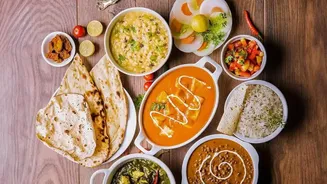
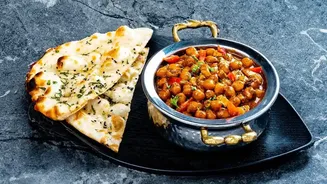
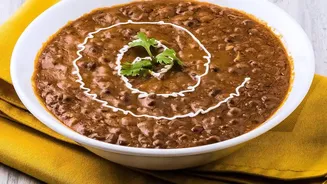
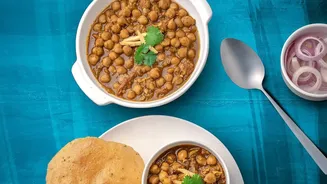
Across India, this pairing manifests in countless beloved dishes, forming the bedrock of regional diets. The most ubiquitous example is dal served with rice (chawal) or flatbreads like roti and chapati. This daily staple is the very definition of comfort food for millions. Then there is Khichdi, the ultimate one-pot meal where rice and lentils are cooked together into a soft, easily digestible porridge. Often seasoned with turmeric and cumin and topped with ghee, it is celebrated not only for its simplicity but also as a healing food that is gentle on the digestive system.
Beyond the North Indian Thali
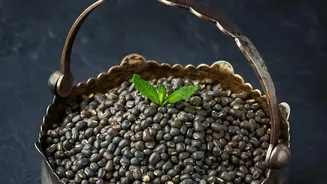
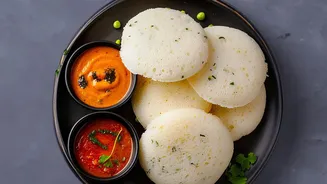
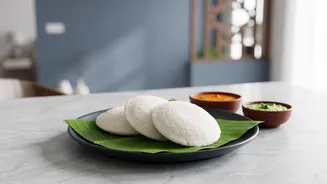
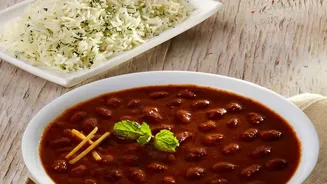
The principle extends far beyond dal and rice. In South India, the iconic duo of idli and dosa is a testament to this culinary wisdom. These fluffy steamed cakes and crispy crepes are made from a fermented batter of rice and urad dal (a type of lentil). The fermentation process not only makes the nutrients more bioavailable but also adds a delicious, tangy flavour. When served with sambar, a lentil-based vegetable stew, the meal becomes a triple threat of pulse-and-grain goodness. From rajma-chawal in the north to bisibelebath in Karnataka, the tradition of combining pulses and grains is woven into the very fabric of Indian food culture.