







The Amla Advantage
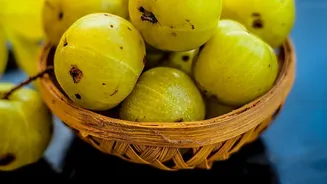
Amla, or the Indian gooseberry, is a small, translucent green fruit with a uniquely sharp, sour, and astringent taste. Revered for thousands of years in Ayurvedic traditions, it's considered a 'Rasayana' or a rejuvenating herb that promotes longevity
and overall wellness. Its modern claim to fame is its astonishingly high Vitamin C content. While amounts vary, some studies show that 100 grams of fresh amla can contain anywhere from 300 to 600 mg of Vitamin C. This is significantly more—often cited as 10 to 20 times more—than an orange of the same weight. This potent dose of antioxidants is believed to be the driver behind amla's many traditional uses, from boosting immunity to supporting digestion, hair, and skin health.
The Everyday Citrus Staple
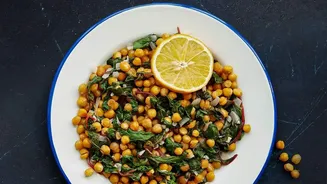
If amla is the specialized powerhouse, citrus fruits like lemons (nimbu) and limes are the everyday workhorses of the Indian kitchen. From a refreshing glass of nimbu pani to a final squeeze over a bowl of dal or poha, their bright acidity is essential to Indian flavour profiles. Nutritionally, citrus fruits are no slouches. A 100-gram portion of orange or lemon provides around 53 mg of Vitamin C, which is a substantial part of the daily recommended intake. Beyond Vitamin C, they offer dietary fibre and a host of beneficial plant compounds called flavonoids, which have antioxidant properties. Their role is as much about flavour as it is about health, seamlessly integrating into daily meals to provide a consistent, if less concentrated, source of nutrients.
A Nutritional Showdown
When placed head-to-head, amla is the undisputed champion of Vitamin C concentration. You would need to eat several oranges to get the same amount of Vitamin C found in a single small amla. Amla's vitamin C is also thought to be particularly stable because it is protected by other compounds like tannins, meaning more of it survives processing and even gentle heat. However, both amla and citrus fruits offer more than just one vitamin. They are good sources of fibre, which aids digestion, and antioxidants that help the body combat oxidative stress. While amla also provides minerals like calcium and iron, citrus fruits offer folate and potassium. The choice isn't about which is 'better' overall, but which is suited for a particular need and palate.
From Murabba to Rasam: Culinary Uses
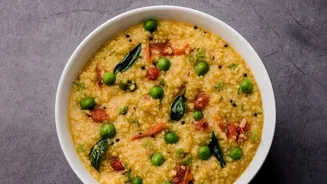
The different chemical profiles of amla and citrus lead to vastly different culinary applications. Amla’s intense, sometimes bitter flavour is often tamed through preservation. It is famously made into Amla Murabba (a sweet preserve), spicy Amla Achaar (pickle), or dried and powdered for use as a supplement. Savoury dishes like amla rice, amla kadi (a yoghurt-based curry), and various chutneys also showcase its versatility. Citrus, on the other hand, is more often used fresh. Lemon juice brightens curries, salads, and drinks. Sweet limes (mosambi) are typically juiced, and oranges are eaten as is. The zest and juice of lemons are key components in marinades and dressings, providing a fresh, tangy counterpoint to rich and spicy flavours.
A Complementary Pair in Your Diet
Ultimately, Indian cuisine has made room for both these nutritional powerhouses for a reason. They are not interchangeable. Amla offers a potent, medicinal dose of Vitamin C and other unique compounds, best enjoyed in preserves, chutneys, or as a supplement for a targeted health boost. Citrus fruits provide a daily, accessible way to top up Vitamin C levels while adding essential brightness and flavour to a wide array of dishes. One is a concentrated superfood, the other a culinary staple. A diet that includes amla for its potent benefits and citrus for its daily culinary contribution is a well-rounded approach to harnessing the best of what nature offers.