








A Philosophy of Reductive Design
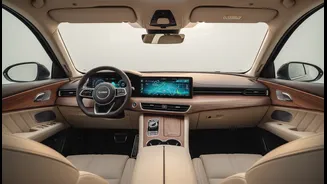
The latest Range Rover’s interior design is guided by a philosophy of 'reductive design'—a belief that true luxury is achieved by removing the unnecessary. This approach is immediately apparent in the clean, expansive surfaces and the dramatic reduction
of physical buttons. The dashboard architecture feels almost minimalist, creating a sense of calm and uncluttered space. This isn't about spartan design, but rather a deliberate choice to let the quality of the materials and the elegance of the forms speak for themselves. Traditional controls for climate and vehicle functions have been seamlessly integrated into the central touchscreen, which declutters the center console and contributes to a tranquil sanctuary for occupants. It’s a design that feels both thoroughly modern and timelessly elegant.
Material Quality You Can Touch
A key part of the conventional Range Rover experience has always been the sheer quality of its materials, and the new models elevate this tradition. Customers have a wider choice of finishes than ever before, from exquisite traditional leathers to innovative and sustainable textiles. The brand has continued its relationship with Kvadrat, a leading European manufacturer of premium textiles, offering a leather-free interior option for the first time at the highest specification levels. This option combines a Kvadrat wool-blend with technical Ultrafabrics, which has the tactile quality of leather but is 30% lighter and generates significantly less CO2 in its production. These materials are not just about sustainability; they are chosen to create a warm, inviting, and contemporary cabin influenced by modern architecture. Accents of natural wood veneers and precisely machined metal details complete the environment, ensuring every surface a passenger touches reinforces a sense of peerless luxury.
The Digital Heart of the Cabin
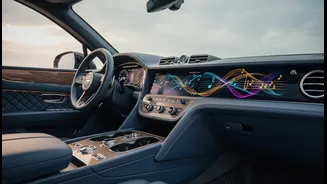
At the center of the modernist interior is the Pivi Pro infotainment system, housed in a curved, 'floating glass' 13.1-inch touchscreen. This display serves as the vehicle’s digital core, yet its design ensures it complements the cabin's architectural lightness rather than dominating it. The system itself is a massive improvement over past JLR offerings, designed to be intuitive with a clean user interface inspired by smartphones. Key functions are accessible within just a couple of taps, reducing distraction. The screen also provides haptic feedback, creating a tactile response when a selection is made, which helps bridge the gap between a physical button and a touch-sensitive surface. It’s a sophisticated system that integrates advanced technology like wireless Apple CarPlay, Android Auto, and over-the-air updates, ensuring the digital experience feels as premium as the physical one.
Preserving the Command Position
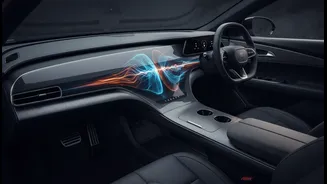
Despite the high-tech screens and minimalist aesthetic, the fundamental driving experience remains quintessentially Range Rover. A huge part of this is the preservation of the signature ‘Command Driving Position,’ which gives the driver a sense of authority and clear visibility over the road. This elevated seating position, a hallmark of the brand for decades, is carefully maintained. The interior layout, while modern, is still built around providing peerless comfort and a sense of calm composure. This is further enhanced by technologies that operate almost invisibly, such as the third-generation Active Noise Cancellation system. This feature uses microphones outside the vehicle and speakers in the headrests to create personal quiet zones, much like high-end headphones, turning the cabin into a peaceful haven from the outside world. It’s this combination of familiar ergonomics and unobtrusive technology that keeps the cabin feeling conventionally Range Rover, even as it leaps into the future.