

From Earth’s Kitchen to an Orbiting Lab
Eating in space is far more complex than just packing a lunchbox. Food must be lightweight, long-lasting, nutritious, and safe to consume in zero gravity. Crumbs can float into and damage sensitive equipment, while liquids can be difficult to manage.
This is where the Defence Food Research Laboratory (DFRL), a Mysuru-based lab under the Defence Research and Development Organisation (DRDO), comes in. For decades, DFRL has perfected ready-to-eat meals for soldiers in extreme conditions, and it has adapted this expertise for astronauts. Using advanced techniques like retort processing and freeze-drying, DFRL creates meals that are safe, delicious, and can withstand the rigours of space travel, all while bringing a taste of home to those far from it.
A Sweet Start: Gajar and Moong Dal Halwa
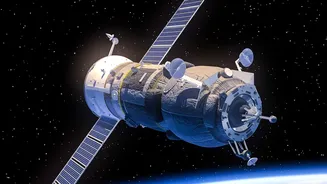
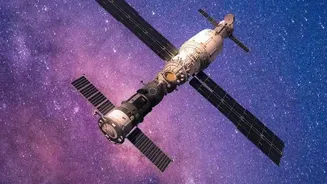
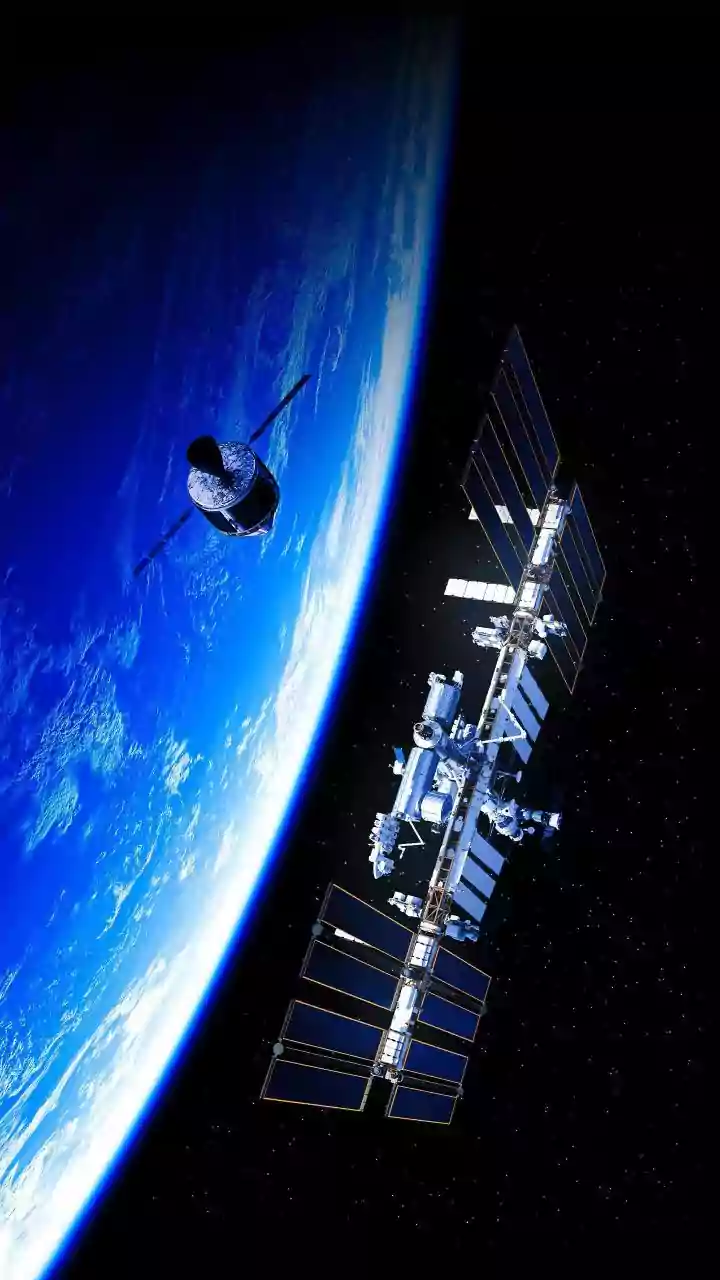
Among the first officially certified dishes to make the journey were two beloved Indian desserts: Gajar ka Halwa and Moong Dal Halwa. In June 2025, Indian astronaut Shubhanshu Shukla carried these sweets with him on the Axiom-4 mission to the International Space Station. While DFRL had prepared a much larger menu including savoury dishes like khichdi and pulao, the stringent and time-consuming qualification process meant only a few items were certified in time for the flight. These desserts were chosen not just for their taste but for their ability to provide a high-energy, comforting treat that boosts morale. According to Shukla, his international crewmates enjoyed the sweets so much that they were finished before he got a chance to have any.
The Taste of Summer: Aamras in Orbit
The third item that made it to the ISS alongside the halwas was Aamras, or mango pulp. This quintessential Indian summer delight was specially processed to maintain its flavour and quality over a long duration without refrigeration. Its inclusion highlights the goal of providing not just sustenance but also psychological comfort. For astronauts on long missions, the taste and smell of familiar food can significantly reduce stress and create a sense of normalcy. While Shukla himself started craving saltier Indian flavours after a couple of weeks, the success of sending these three distinct items to the ISS proved that DRDO's technology was ready for the global stage.
The Future of Indian Space Cuisine
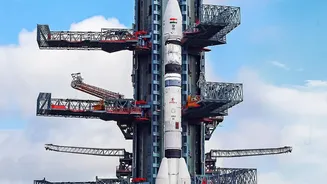
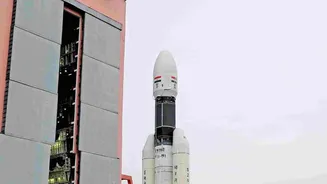
The experience with the Axiom-4 mission has provided invaluable lessons for DFRL as it prepares the menu for India's own ambitious Gaganyaan human spaceflight programme. A much wider array of foods, from Idli-sambar and vegetable biryani to potato parathas, is already developed and undergoing evaluation. The goal is to provide Indian astronauts with a varied, nutritious, and appealing menu that reminds them of home. Scientists are working on everything from crumb-free chapatis to special containers for drinking liquids in zero gravity. The journey of these three foods to the ISS was more than just a culinary achievement; it was a successful test flight for Indian food technology, paving the way for a full-course desi meal in orbit.