




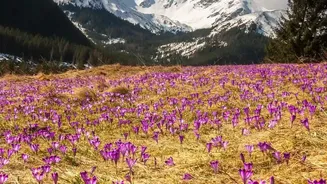
A New Bloom in the Cold Desert
In a region celebrated for its dramatic, barren beauty, the Ladakh administration has introduced a remarkable contrast: two sprawling flower fields. Located at Choglamsar and Stakna near Leh, these fields are situated at an impressive altitude of 10,600
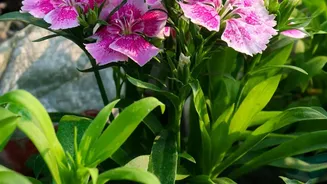
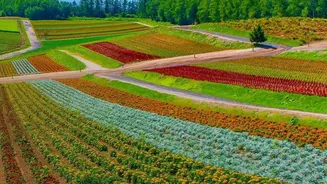
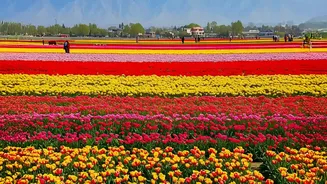
feet. Spread across 40 acres, they represent a pioneering high-altitude floriculture project, the first of its scale and kind in the region. The initiative transforms the rocky terrain into a canvas of reds, pinks, yellows, and whites, offering a completely new visual experience for travellers. The fields were inaugurated to create new attractions for visitors and to pioneer commercial floriculture in the unique climate of Ladakh.
The 'Twin Fields' Explained
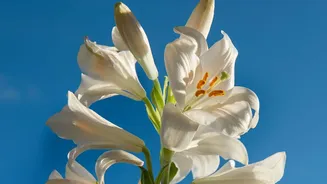
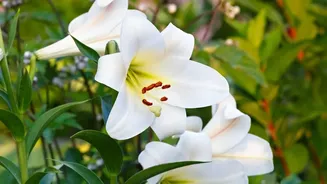
The project is composed of two distinct sites, earning them the 'twin fields' moniker. One is located at Choglamsar and the other at Stakna, both near Leh. Together, they contain over 2.5 million flowers, predominantly Lilium and Gladiolus varieties. While they are part of the same initiative, their blooming cycles differ slightly. The Choglamsar field, developed in a record two months, saw its first flowers appear in early September after a July planting. At Stakna, where planting of nearly 1.4 million Lilium bulbs occurred in August, the main bloom is anticipated toward the end of October. This staggered approach could potentially extend the flowering season for visitors.
More Than Just a Pretty View
While the fields are a clear draw for tourists, their purpose runs much deeper. This ambitious project is a strategic move to diversify Ladakh's agriculture and create sustainable livelihoods for the local community. The administration views this as a milestone in empowering local farmers through high-value commercial floriculture. According to officials, the Choglamsar park will also function as a model floriculture centre, offering training to farmers and youth in modern cultivation techniques and post-harvest management. The goal is to equip the local community with the skills to adopt floriculture, with self-help groups and cooperatives eventually taking over commercial cultivation. The first commercial consignment of 15,000 premium Lilium stems has already been dispatched to major markets in Delhi, Mumbai, and Chandigarh, signalling the project's economic potential.
A Different Kind of Flower Valley
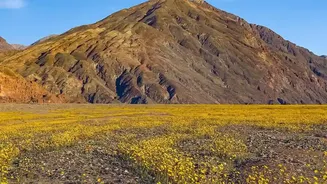
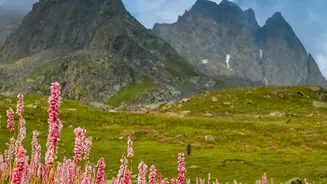
Ladakh's Nubra region has long been historically known as 'Ldumra' or the 'valley of flowers'. However, this new initiative is a cultivated effort, distinct from the wild meadows found elsewhere in the Himalayas. The project introduces hardy, high-value flowers like Liliums, Gladiolus, and Tulips that can thrive in Ladakh's challenging climate. Unlike the dense greenery of other famous flower valleys, visitors here will witness organised beds of vibrant blooms set against the stark, majestic backdrop of the Himalayan cold desert. This creates a unique and powerful visual juxtaposition—the delicate beauty of the flowers against the raw, rugged power of the mountains.
Planning Your Visit
For travellers eager to witness this new spectacle, the flower fields are a welcome addition to the Leh itinerary. The Choglamsar field opened to the public in mid-September. An entry fee of ₹25 for adults and ₹10 for children is charged to help with the site's maintenance. Given the staggered planting, visitors may experience different phases of the bloom at Choglamsar and Stakna depending on the timing of their trip. As with any travel to Ladakh, acclimatisation to the high altitude is crucial. It is advisable to spend a day or two in Leh to adjust before venturing out. The flower fields offer a serene and colourful experience, perfect for those looking to see a different side of Ladakh's incredible landscape.