






The Return of a Predator
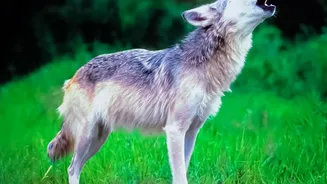
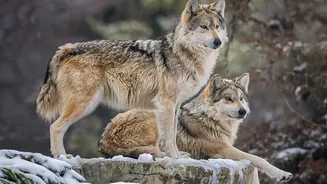
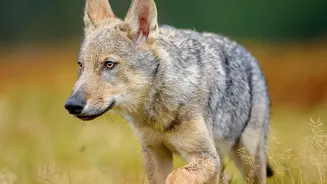
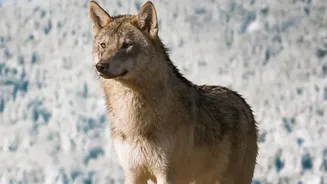
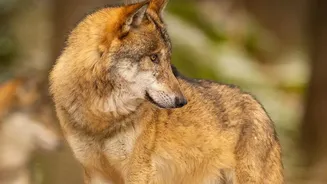
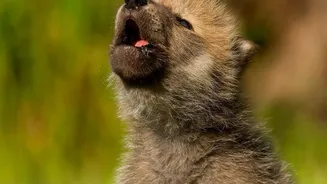
For the first time in generations, the howl of the wolf is being heard again in places like Germany, France, and Italy. Thanks to decades of legal protection, a decline in rural human populations, and increased forest cover, wolf populations are expanding
significantly. Recent estimates suggest there are now over 21,500 wolves across the continent, a dramatic increase over the past decade. This recovery is not the result of large-scale reintroduction programs, but rather the natural dispersal of wolves from stronghold populations in countries like Italy and Poland into neighbouring territories, a testament to their resilience.
From Fear to Fascination
The wolf’s return is rewriting a centuries-old narrative of fear. While the animal was once universally seen as a villain or a threat to be eradicated, perceptions are shifting. Today, the wolf is increasingly viewed as a symbol of wildness and a vital part of a healthy ecosystem. This cultural shift has paved the way for a niche but growing tourism industry. Adventure travellers and wildlife enthusiasts are now willing to pay for the mere possibility of glimpsing one of Europe's top predators in its natural habitat. The experience is rarely about a guaranteed sighting; it's about the thrill of tracking, understanding their behaviour, and knowing they are out there.
Tracking the Tourist Trail
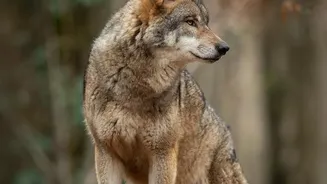
So where is this new brand of tourism taking root? In Spain, the Sierra de la Culebra has become a premier destination, boasting one of the highest densities of Iberian wolves in Europe. Here, specialist guides lead small groups on dawn and dusk excursions, using powerful telescopes to scan distant hillsides without disturbing the animals. In Italy, national parks like Abruzzo, Lazio and Molise offer guided wolf-tracking treks, combining hiking with lessons in wolf ecology. Similar experiences are emerging in Romania's Carpathian Mountains, the French Alps, and even Finland, where tour operators offer multi-day packages that immerse visitors in wolf country.
A Lifeline for Rural Economies
For many rural areas facing depopulation and economic decline, wolf tourism offers a much-needed lifeline. A tourist on a guided wolf tour also needs a place to stay, a restaurant to eat in, and may buy local products. This spending injects vital revenue into communities. In Spain's Sierra de la Culebra, for example, wolf-related tourism was estimated to bring in hundreds of thousands of euros annually even a decade ago, far exceeding revenue from hunting permits. This creates a powerful economic incentive for conservation, demonstrating that a living wolf can be more valuable to a community than a dead one.
An Uneasy Coexistence
The story, however, is not without conflict. The same wolf that fascinates a tourist can be a devastating problem for a livestock farmer. As wolf numbers grow, so do reports of attacks on sheep and other domestic animals, creating intense friction in rural areas. This human-wildlife conflict is often, at its heart, a human-human conflict between conservationists, hunters, and agricultural communities. This tension has led to a re-evaluation of the wolf's protected status in some regions, with debates over allowing controlled culls to manage populations and mitigate livestock losses. Responsible tour operators are keenly aware of this, often working to educate visitors on coexistence strategies and partnering with local communities.