






Verify the Vendor: QR Codes and FSSAI
Indian Railways has introduced significant measures to combat unauthorised food selling. All official vendors and even their staff are now required to carry QR code-enabled identity cards. Scanning this code should reveal the vendor's name, Aadhaar number,
medical fitness, and police verification details. This is your first and most crucial check. Additionally, all catering units, whether in a pantry car or a station stall, must have an FSSAI (Food Safety and Standards Authority of India) registration or license. This certification ensures they are accountable to national hygiene standards. Some stations even hold an "Eat Right Station" certification from FSSAI, indicating higher standards of food safety. Prioritise buying from these certified locations whenever possible.
Inspect the Food Packet Itself
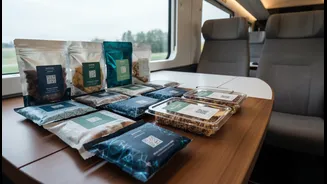
The packaging can tell you a lot. IRCTC has also rolled out food packets with their own QR codes. Scanning this should show you details like the name of the kitchen where the meal was prepared and its date of manufacturing. This traceability is a powerful tool against stale or unhygienic food. Always ensure any packaged food or bottled drink you buy has an intact, tamper-proof seal. If you notice a broken seal, loose packaging, or any damage, it is best to avoid it. For hot meals, sealed containers are a much safer bet than open trays, as they protect the food from contamination during transit from the kitchen to your seat.
Use Your Senses: Look, Smell, and Feel
Before you even take a bite, perform a simple sensory check. The food should look and smell fresh. Any unusual odour, off-colour appearance, or strange texture is a major red flag. If the food smells sour or tastes odd, do not consume it. When buying hot food, make sure it is actually hot. Food that is served piping hot is generally safer because the high temperature helps kill most harmful bacteria. Avoid items that look like they have been sitting at room temperature for a long time, especially perishable foods like curries, dairy-based sweets, or cut fruits and salads.
Choose E-Catering for Reliability
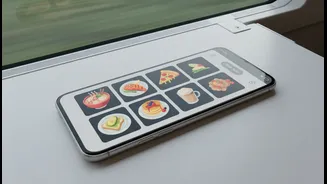
One of the most reliable ways to ensure food safety is by using IRCTC's e-catering service. This platform allows you to order meals directly to your seat from a network of verified and FSSAI-compliant restaurants at upcoming stations. You can check restaurant ratings and reviews before placing an order. This system removes the guesswork and risk associated with unknown platform vendors. To use it, you just need your PNR number. Ordering in advance, ideally an hour or two before your train reaches the designated station, ensures a smooth and timely delivery.
Pack Smart from Home
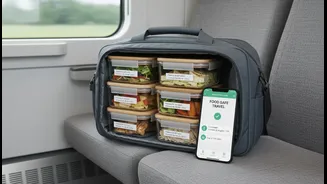
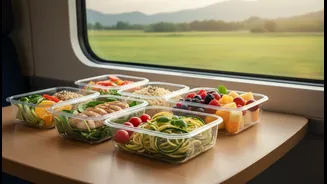
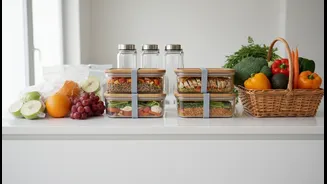
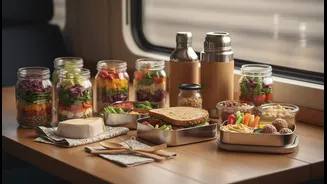
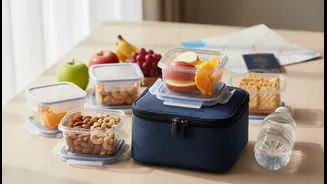
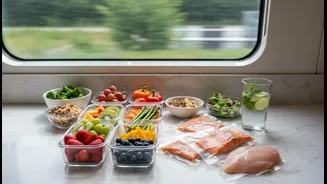
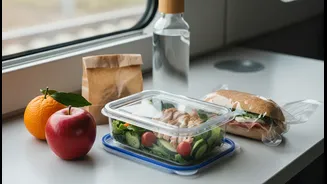
The ultimate safety net is, of course, carrying your own food. For long journeys, focus on items with a long shelf life and low moisture content to minimise the risk of spoilage. Good options include theplas, dry-stuffed parathas, poha, and rice dishes like lemon or tamarind rice, which have natural preservatives. Dry snacks such as roasted chana, nuts, khakhra, and biscuits are also excellent choices. It's also crucial to carry your own sealed bottled water, preferably from a trusted brand or the official Rail Neer provided by IRCTC. Always wash your hands with soap and water or use a sanitiser before eating.