


A Surprising Star in the Halwa Family
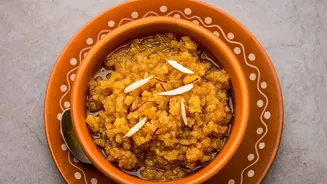
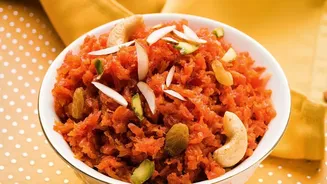
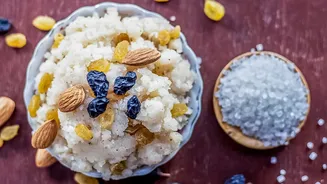
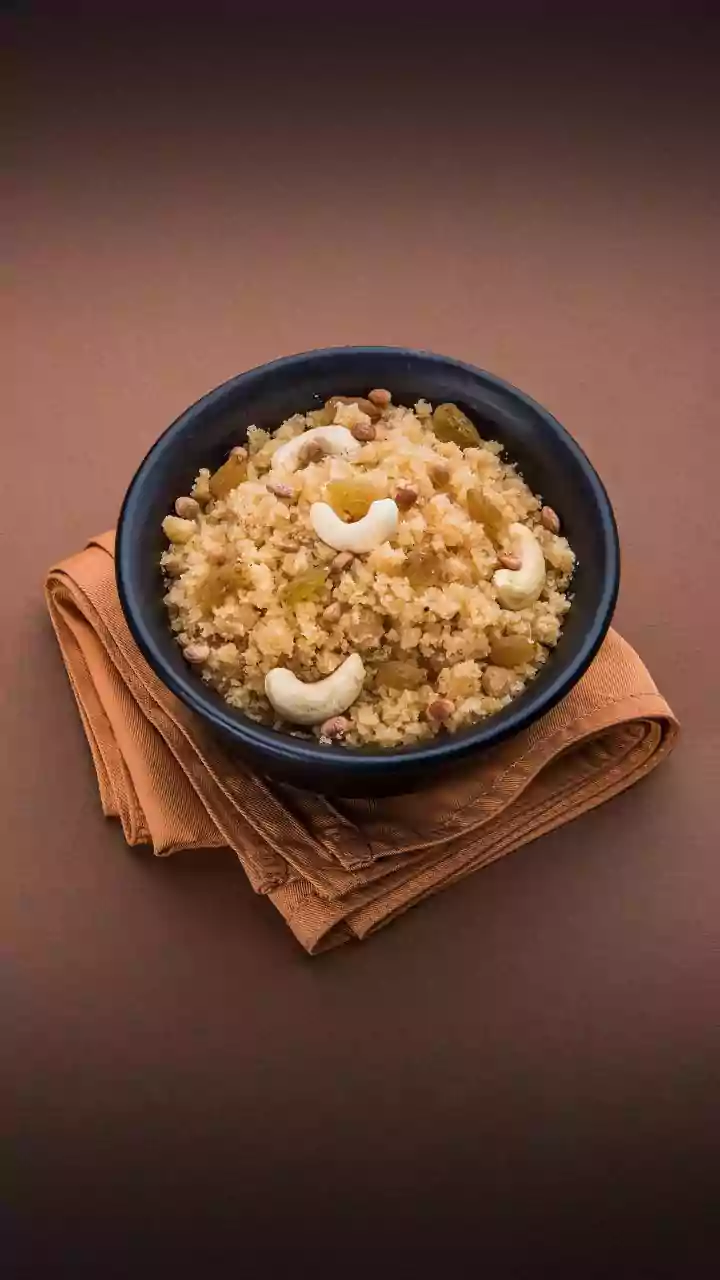
In the pantheon of Indian desserts, halwa holds a special place. While most are familiar with sooji (semolina) or gajar (carrot) halwa, there exists a lesser-known but equally beloved variant: aloo ka halwa, or potato halwa. This North Indian specialty,
particularly popular in Uttar Pradesh, takes the starchy vegetable and spins it into a sweet, pudding-like confection that is both comforting and sophisticated. The idea might seem unusual, but the magic lies in the potato's transformation. When boiled, grated, and slow-cooked, the potato loses its savoury identity and becomes a creamy, melt-in-your-mouth canvas for sugar, ghee, and aromatic spices.
The Transformative Power of the Potato
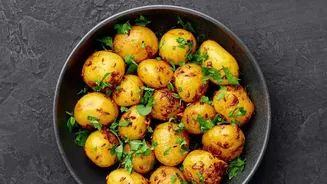
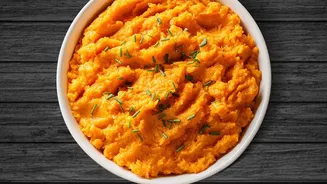
The secret to aloo ka halwa's success is the potato's inherent starchiness. Unlike other vegetables, potatoes break down to create a uniquely smooth and dense texture. The process begins by boiling the potatoes until they are very tender. They are then mashed or grated to ensure a lump-free consistency. This preparation is crucial, as it allows the potato to absorb the other ingredients fully. As it cooks in ghee, the potato's starch gelatinises, giving the halwa its signature thick and glossy character. The neutral flavour of the potato is another advantage, allowing it to be a perfect vehicle for the richness of ghee and the sweetness of sugar, much like a blank canvas for an artist.
The Essential Roles of Ghee and Milk
No halwa is complete without a generous amount of ghee, and the potato version is no exception. The clarified butter serves multiple purposes. First, it prevents the starchy potatoes from sticking to the pan and ensures even cooking. More importantly, it imparts a nutty, irresistible aroma and a luxurious richness. The process involves sautéing the mashed potato in ghee until it changes colour and releases a toasted fragrance. During this roasting, the potato absorbs the ghee, only to release it back at the end of the cooking process—a classic sign that the halwa is ready. Milk is then added to provide moisture and creaminess, balancing the dense texture of the potato and creating a softer, more decadent final product.
A Treat for Fasts and Feasts
Aloo ka halwa holds a special cultural significance as a popular dish during religious fasts, particularly Navratri. Since grains and certain vegetables are restricted, potatoes become a key source of energy. This halwa, packed with carbohydrates from the potato and sugar, and fats from ghee, provides a substantial and permissible treat to keep energy levels up. Its quick and easy preparation also makes it a go-to dessert for celebrations and special occasions. Though often associated with fasting, its unique flavour and comforting warmth make it a welcome dessert any time of the year, especially during the colder winter months.
Tips for Halwa Perfection at Home
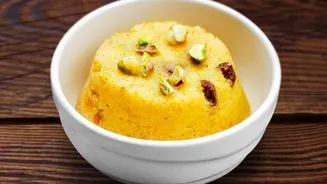
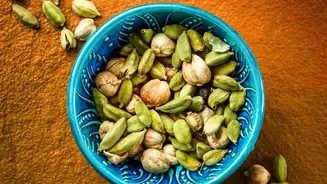
Making aloo ka halwa is straightforward, but a few tips can elevate it. First, use starchy potatoes that mash well, ensuring a smooth texture. It is vital to boil them thoroughly to make the mashing process easier and shorten cooking time. The most critical step is to sauté the mashed potato in ghee patiently. Do not rush this; cook until the raw smell disappears and the mixture turns a pale golden brown. Stir continuously to prevent burning and ensure an even roast. Finally, don't be shy with the ghee. The moment the halwa starts to release the ghee and pull away from the sides of the pan is the indicator of perfect consistency. Serve it warm, garnished with your favourite nuts like almonds or pistachios and a hint of cardamom powder for fragrance.