




An Aviation Overhaul
For years, international travel from many parts of India meant a mandatory stop in Delhi or Mumbai. However, 2026 is proving to be a landmark year for Indian aviation. A combination of fleet expansions by major carriers like Air India and IndiGo, a growing
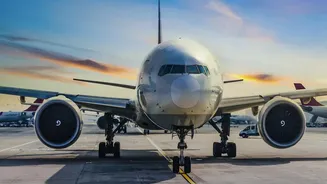
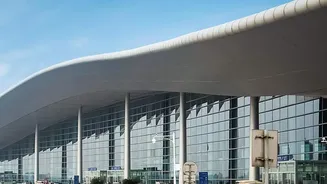
demand for premium travel, and a strategic push to develop non-metro airports into international gateways is reshaping the country's route map. Airlines are deploying new, modern aircraft, promising a more comfortable long-haul experience. This shift is part of a broader strategy to offer more convenient, direct connections for both business and leisure travellers across the country.
New European Gateways
Europe has become significantly more accessible. A standout new route is SWISS International Air Lines' first-ever service to South India, connecting Bengaluru directly with Zurich. This five-times-a-week service launched in late October 2026 is a game-changer for travellers heading to Switzerland and beyond. Greece also became easier to reach in 2026, with IndiGo launching direct services from both Mumbai and Delhi to Athens. SAS (Scandinavian Airlines) has also re-entered the Indian market, resuming a direct service from Copenhagen to Mumbai. However, travellers should note that some airlines, including Aegean Airlines, have postponed their planned 2026 India launches to 2027 due to aircraft availability. Similarly, some of IndiGo's ambitious European expansion using leased aircraft has been scaled back due to operational challenges, with services to Manchester suspended.
Air India's Network Realignment
Under its new ownership, Air India has been focused on strengthening its international network. The airline launched a new four-times-weekly service from Mumbai to Tokyo's convenient Haneda airport in June 2026. It has also added routes like Delhi to Hanoi. More recently, in November 2026, the airline resumed truly non-stop flights on its key routes from Delhi and Mumbai to New York (JFK) and Newark (EWR) after airspace restrictions were eased. This change cuts travel time by up to five hours by eliminating a technical stop in Rome. However, the airline also announced temporary schedule adjustments for summer 2026, citing airspace restrictions and high fuel costs. These include frequency reductions on routes to Paris, Milan, and San Francisco, and the temporary suspension of the Delhi-Chicago route.
IndiGo's Evolving Long-Haul Strategy
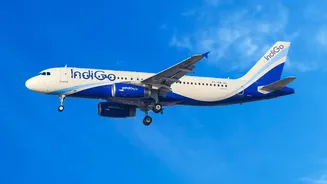
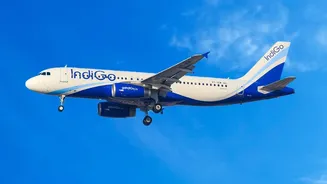
India's largest carrier, IndiGo, has also been making international moves. Significant additions in 2026 include direct flights from Delhi to Colombo and a unique service from Chennai to Réunion Island, a French territory in the Indian Ocean. For travellers from Northeast India, the airline launched direct flights from Guwahati to Dubai and Abu Dhabi in August, a major boost for regional connectivity. However, the airline's long-haul strategy has been fluid. While it gained experience operating widebody aircraft through a lease agreement, it announced it would end this programme in October 2026 due to a challenging operating environment. The airline's future long-haul plans hinge on its own order of Airbus A350 aircraft, expected from 2028, and partnerships with other international carriers. A new partnership with Philippine Airlines is expected to result in direct flights starting in December 2026.
The Golden Rule: Always Check First
The key takeaway for holiday planners is that airline schedules are more dynamic than ever. While many exciting new routes have been launched, others have been postponed or suspended. Announced routes, launch dates, and flight frequencies can and do change, sometimes at short notice, due to aircraft deliveries, regulatory approvals, and geopolitical or operational factors. The headline message holds true: before committing to non-refundable hotel bookings or creating a fixed itinerary, it is crucial to verify the current flight schedule directly with the airline or a trusted travel agent. This ensures your travel plans are built on the most up-to-date information.