




More Than Just a Meal
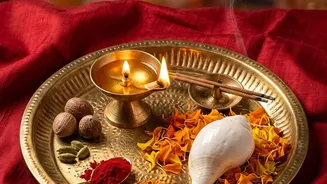
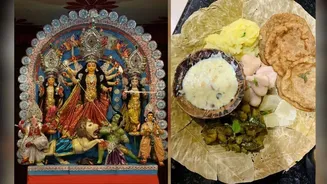
Bhoger Khichuri is fundamentally different from any other khichuri. The word 'bhog' refers to a food offering made to a deity, which is later distributed as 'prasad'—a blessed meal. This particular khichuri, central to festivals like Durga Puja, Lakshmi
Puja, and Saraswati Puja, is prepared with a sense of purity and devotion. It is always 'niramish', meaning it is strictly vegetarian and contains no onion or garlic, making it suitable for a sacred offering. The dish symbolises unity and togetherness; during Puja, it is prepared in large quantities in community pandals, breaking down social barriers as everyone gathers to share the blessed food. This act of communal eating reinforces a sense of shared identity and collective celebration.
The Soulful Ingredients
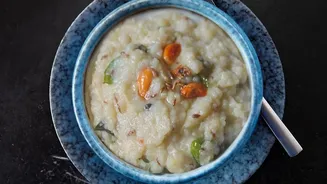
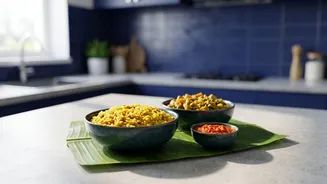
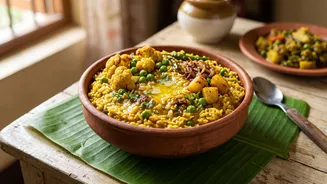
The magic of Bhoger Khichuri lies in its specific, high-quality ingredients. At its heart are two key components: Gobindobhog rice and Sona Moong dal. Gobindobhog is a short-grained, aromatic rice from West Bengal that imparts a unique flavour and fragrance that is crucial to the dish. The Sona Moong dal is not simply boiled; it is dry-roasted first until it releases a nutty, golden aroma, a step that gives the khichuri its signature depth of flavour. The vegetables are seasonal, commonly including potatoes, cauliflower, and green peas, which add texture and substance. The final flourish comes from a tempering of whole spices like bay leaves, cinnamon, and cardamom, and a generous dollop of ghee, which elevates the dish from simple to sublime.
The Recipe for Home
This recipe serves four people and brings the authentic taste of the pandal to your kitchen. Ingredients: - 1 cup Gobindobhog rice (or any short-grain aromatic rice) - 1 cup Sona Moong dal - 2 medium potatoes, cubed - 1 small cauliflower, broken into florets - ½ cup green peas - 2 tomatoes, chopped - 1.5 tbsp ginger paste - 1 tsp turmeric powder - 1 tsp cumin powder - For tempering: 2 bay leaves, 2 dried red chillies, 1-inch cinnamon stick, 2-3 green cardamoms, 2-3 cloves - 4 tbsp mustard oil - 2 tbsp ghee - 1 tbsp sugar - Salt to taste Instructions: 1. Begin by dry-roasting the moong dal in a heavy-bottomed pan on low heat until it turns golden brown and aromatic. Set aside. 2. Wash the rice and the roasted dal separately and keep them ready. 3. Heat mustard oil in a large pot or handi. Lightly fry the cauliflower florets and potato cubes until they are golden brown. Remove them and set aside. 4. In the same oil, add the tempering ingredients: bay leaves, dried red chillies, cinnamon, cardamom, and cloves. Sauté for a minute until fragrant. 5. Add the ginger paste and chopped tomatoes. Cook until the tomatoes soften. 6. Stir in the turmeric and cumin powder. 7. Add the washed rice and dal to the pot. Sauté for two minutes, coating them well with the spices. 8. Pour in about 6 cups of hot water, add salt, and bring to a boil. 9. Add the fried vegetables and green peas. Cover the pot, lower the heat, and let it simmer. Stir occasionally to prevent sticking. 10. Cook until the rice and dal are soft and have reached a thick, porridge-like consistency. The grains should be soft but still visible. Add more hot water if needed to adjust the consistency. 11. To finish, stir in the sugar and ghee. Mix well and let it cook for another 2-3 minutes before turning off the heat.
Serving Suggestions and Final Touches
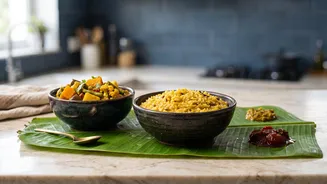
Bhoger Khichuri is traditionally served hot, right out of the pot. It is almost always accompanied by a medley of side dishes that complete the festive platter. The most classic pairing is with 'labra', a mixed vegetable dish cooked with panch phoron (Bengali five-spice blend). Other popular accompaniments include 'beguni' (batter-fried eggplant slices), 'aloo bhaja' (crispy fried potatoes), and a sweet and tangy tomato chutney. For a truly authentic experience, serve it with a little bit of everything, creating a plate that is a festival of textures and flavours. Making this dish at home is more than just cooking; it is about recreating a cherished memory and connecting with a tradition that warms the soul.