






The Science of Soothing
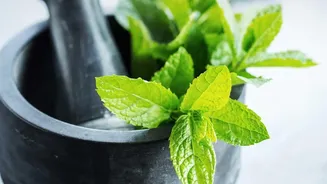
The power of peppermint in managing headaches isn't just folklore; it's rooted in its primary active ingredient: menthol. When applied to the skin, menthol creates a distinct cooling sensation. It does this by activating specific sensory receptors called
TRPM8 receptors, which are designed to detect cold temperatures. This creates a powerful cooling effect that can feel intensely relieving on a throbbing forehead. Some researchers believe this acts as a 'counter-irritant', essentially giving your brain a new, non-painful sensation to focus on, which can distract from the headache pain. Studies on topical menthol have shown it can be effective in reducing the intensity of tension headaches, with some research suggesting its efficacy is comparable to common over-the-counter painkillers. While a tea compress won't have the same concentration as a 10% menthol solution used in studies, the principle remains the same: the menthol provides a soothing, muscle-relaxing sensation.
Comfort vs. Cure: The Crucial Distinction
Herein lies the core of the issue. A medical treatment is designed to address the underlying cause of a disease or condition. For example, an antibiotic is a treatment for a bacterial infection because it eliminates the bacteria causing the illness. Symptomatic relief, on the other hand, aims to reduce the signs and symptoms for the comfort and well-being of the patient, without necessarily curing the underlying cause. A peppermint tea compress falls firmly into this second category. It provides 'symptom comfort'. It can relax tense muscles around the head and neck, and the cooling menthol can temporarily ease the sensation of pain. However, it does not address the root causes of tension headaches, which are often related to stress, eye strain, poor posture, or lack of sleep. Thinking of it as a treatment can be misleading; it's a supportive tool to make you feel better in the moment, not a long-term solution to prevent or cure the headaches themselves.
How to Make a Peppermint Compress
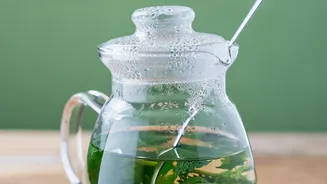
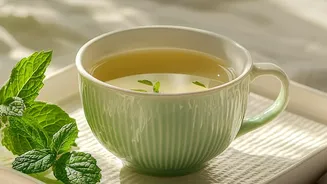
For those seeking temporary comfort, a peppermint tea compress is simple to prepare. Start by brewing a strong cup of peppermint tea. Using two or three tea bags (or a few tablespoons of dried leaves) per cup of hot water will ensure a higher concentration of its volatile oils. Allow the tea to steep for at least 10 minutes. Once brewed, let it cool down to a temperature that is comfortable to the touch — warm, cool, or room temperature can all be effective depending on your preference. Soak a clean, soft cloth in the tea, wring out the excess liquid, and fold it into a compress. Apply it to your forehead, temples, or the back of your neck. Find a quiet, comfortable place to lie down and relax for 15-20 minutes while the compress does its work. You can repeat as needed.
When Home Remedies Are Not Enough
While a compress is a safe way to find temporary relief, it's critical to recognise when a headache warrants medical attention. You should see a doctor if your headaches are becoming more frequent or severe, if they interfere with your daily life, or if they don't improve with over-the-counter pain relievers. Certain symptoms are considered red flags and require immediate medical care. Go to an emergency room if you experience what feels like the 'worst headache of your life', a sudden and severe headache, or one that is accompanied by fever, a stiff neck, confusion, vision changes, weakness, numbness, or difficulty speaking. These can be signs of more serious underlying conditions that home remedies cannot address.