



The Numbers Don't Lie
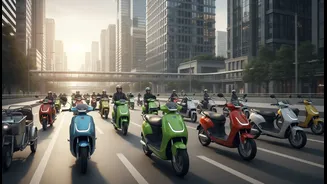
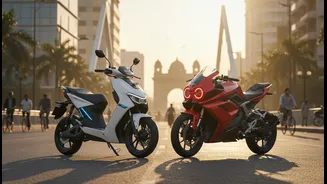
While electric cars grab headlines, it's the two-wheeler segment that truly dominates India's EV sales charts. In the first half of 2026, electric two-wheelers (E2Ws) accounted for over 62% of all EV sales, a notable increase from the previous year. In June
2026 alone, nearly 194,000 E2Ws were registered, a staggering 75.5% year-on-year growth. For the first time, electric models claimed over 10% of the total two-wheeler market in June 2026. In contrast, electric cars, while growing, represent a much smaller fraction of their respective market, with EV penetration in the passenger vehicle segment hovering around 6-7%. This vast difference in volume shows that for the average Indian consumer, going electric currently means choosing a scooter or a motorcycle.
The Affordability Advantage
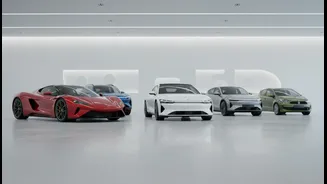
The most significant factor driving this trend is the massive price gap. An entry-level electric car can cost upwards of ₹10,00,000, which is two to three times the price of a comparable petrol car. For many Indian households, this is a prohibitive expense. Electric scooters, however, are priced much more competitively, often between ₹80,000 and ₹1,35,000, making them comparable to their petrol counterparts. The financial logic becomes even more compelling when considering running costs. The cost of running a petrol scooter can be ₹4-6 per kilometre, whereas an electric scooter can run for as little as ₹0.20-₹0.40 per kilometre on electricity. Over a few years, these savings on fuel and reduced maintenance can easily offset any initial price difference.
Designed for the Daily Commute
Electric two-wheelers are perfectly suited to the realities of Indian urban life. India is fundamentally a two-wheeler-first country, with scooters and motorcycles accounting for 70-80% of all vehicles sold. They are ideal for navigating dense traffic and narrow lanes. The typical daily commute of 15-30 km fits comfortably within the 80-120 km range offered by most modern electric scooters. This makes range anxiety, a major concern for car owners, a much smaller issue for scooter riders. Furthermore, two-wheelers solve a critical infrastructure problem that plagues electric cars.
Solving the Charging Conundrum
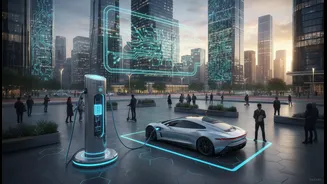
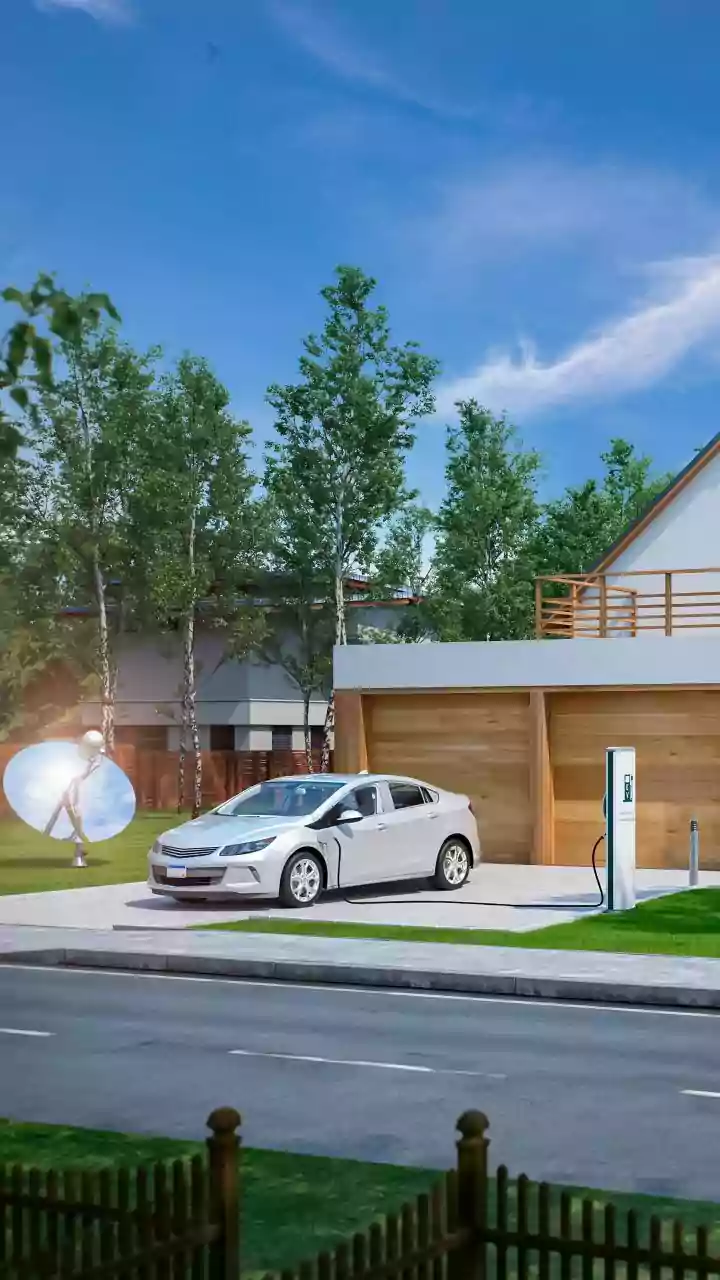
India's public charging infrastructure for EVs is still in its nascent stages, with issues of availability, reliability, and standardisation. This poses a significant barrier for electric car owners, especially those living in apartments without dedicated parking or charging points. Electric scooters neatly bypass this problem. Many come with removable batteries that can be carried indoors and charged using a standard home socket, requiring no special infrastructure or behavioural change. For commercial fleets, battery-swapping stations have also emerged as a viable solution, allowing for a near-instant 'refuel'. In essence, two-wheelers have adapted to the existing infrastructure, while cars must wait for a new one to be built.
A Competitive and Policy-Driven Market
Government initiatives like the FAME (Faster Adoption and Manufacturing of Electric Vehicles) scheme have been particularly successful in boosting the two-wheeler segment by providing subsidies that bridge the cost gap with petrol models. This policy support has fostered a fiercely competitive market. While startups like Ather Energy pioneered the premium space, established giants such as TVS and Bajaj Auto have leveraged their vast manufacturing experience and service networks to become market leaders. In June 2026, TVS led the market with a 24.3% share, closely followed by Bajaj. This competition, featuring a mix of legacy players and new-age startups including Hero Vida and Ola Electric, ensures a steady stream of new products across various price points, further accelerating adoption.