


From Filter Kaapi to Flat Whites
For decades, coffee in India meant one thing for most: South Indian filter coffee. This strong, milky, sweet brew, often made with coffee beans blended with chicory, is a cultural institution. The ritual of preparing the decoction in a two-chambered steel
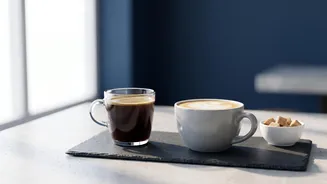
filter is a morning tradition passed down through generations. It’s the centrepiece of countless conversations in the iconic Indian Coffee House chain, which served as hubs for artists and intellectuals. But since the 1990s, a new coffee culture has swept across the nation, beginning in the metros and now expanding into smaller cities. The arrival of café chains, both homegrown and international, introduced a different coffee language—one of espressos, lattes, and cappuccinos. This newer wave, often called the 'third wave' of coffee, treats the beverage like an artisanal product, focusing on single-origin beans, specific brewing methods, and the story behind the cup.
A Tale of Two Experiences
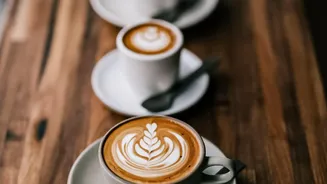
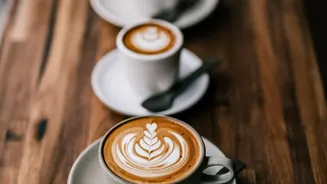
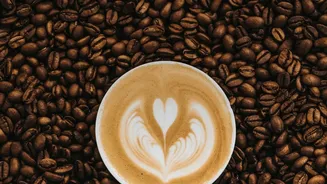
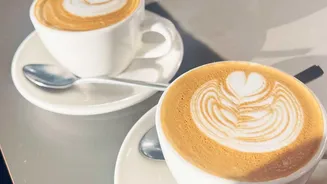
The divide isn't just in the taste; it's in the entire experience. Traditional filter coffee is about community and comfort. It’s served quickly in bustling, no-frills Udupi restaurants or at home, a familiar taste that connects to roots and family. The experience is rarely solitary. In contrast, the modern café is a different kind of space. It's often a style statement, with carefully designed interiors and an emphasis on aesthetics. Here, coffee is less about a quick, comforting sip and more about the experience—a place to work, socialise, or be seen. The rise of social media has turned café aesthetics and latte art into an aspirational lifestyle choice, particularly for millennials and Gen Z. This shift reflects a move from coffee as a simple beverage to coffee as a lifestyle product.
The Language of Your Order
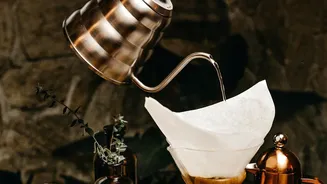
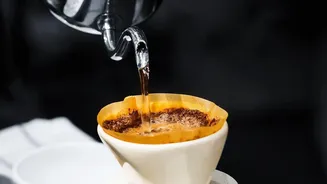
In this new landscape, your coffee order quietly signals where you belong, or where you aspire to be. Sticking to filter coffee can be a declaration of loyalty to tradition and simplicity. Ordering an Americano or a cold brew, however, can suggest a more globalised, urban identity. The third-wave movement takes this even further. Asking for a pour-over made with single-origin beans from a specific estate in Chikmagalur is a mark of a connoisseur. It shows an appreciation for traceability, craft, and the subtle flavour notes that mass-market coffee often masks. Brands like Blue Tokai have built their identity around celebrating Indian estates, printing the farm's name on each bag and making the roastery visible in their cafes. This appeals to a growing consumer base that wants to support local, understand the origin of their food, and express their discerning taste.
The Economics of the Daily Cup
Of course, this cultural divide is also an economic one. A cup of filter coffee at a local darshini might cost a fraction of a specialty latte at a premium café. This price gap makes the new coffee culture an exclusive club for those with higher disposable incomes. The expansion of chains like Starbucks and home-grown players like Third Wave Coffee into Tier 2 and Tier 3 cities is a direct indicator of India's growing middle class and their willingness to pay a premium for branded experiences. While the convenience of instant coffee from brands like Bru and Nescafé made coffee a household staple nationwide, the new café culture has transformed it into a status symbol. It’s a marker of upward mobility, where spending more on a cup is about buying into a particular lifestyle.