



Beyond the Brand vs. Local Debate
Choosing between the neighbourhood dairy and a supermarket brand feels like a major decision, but it's a distraction from what truly guarantees safety. Whether packaged or loose, paneer is only as safe as its journey from milk to your kitchen. Issues
like adulteration with starch or vegetable oils and bacterial contamination can happen anywhere. The most significant risks come from the production process and the supply chain, making factors like pasteurisation and temperature control far more critical than the name on the label or the location of the shop.
The Pasteurisation Litmus Test
The single most important step for safe paneer is ensuring it's made from pasteurised milk. Pasteurisation is a simple heating process that kills harmful bacteria like Listeria, Salmonella, and E. coli, which can be present in raw milk and cause serious foodborne illnesses. While most commercial brands use pasteurised milk, it can be a grey area with some local suppliers. Unpasteurised dairy products pose a significant health risk, especially for pregnant women, children, and the elderly. Always confirm that the milk used has been pasteurised, a non-negotiable first step for safety.
Know the Signs of Freshness
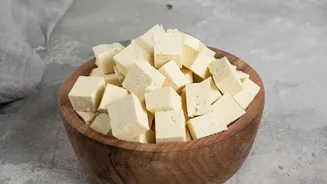
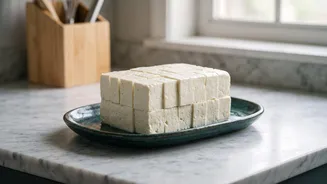
Your senses are powerful tools for detecting spoilage or poor quality. Fresh, pure paneer should have a soft, moist, and slightly crumbly texture; if it feels overly hard, rubbery, or plastic-like, it might be a sign of adulteration. It should have a clean, milky aroma. A sour or off-smell is a clear indicator that it has gone bad. Visually, look for a uniform, off-white colour. Any yellowing on the surface suggests the paneer is old and has started to dry out and oxidise. If it feels slimy to the touch, it's best to discard it.
The Cold Chain Commandment
Paneer is a fresh cheese with a high moisture content, making it a perfect breeding ground for bacteria if not kept cold. The 'cold chain' refers to the consistent refrigeration of the product from the moment it's made until you buy it. A break in this chain—like a faulty fridge at the store or a long transit time in the heat—can compromise its safety, even if it was perfectly made. When buying, ensure the paneer feels cold to the touch. If you're buying loose paneer, ask how it's stored overnight. A reliable vendor will prioritise constant refrigeration.
Your Kitchen: The Final Safety Checkpoint
Once you bring paneer home, you become the final link in the safety chain. The best way to store it is submerged in a container of water in the fridge, changing the water daily. This keeps it soft and fresh for up to a week. For shorter-term storage (a day or two), you can wrap it in a damp muslin cloth inside an airtight container. Never leave it exposed to air in the fridge, as it will harden and spoil quickly. If you plan to use it after a week, it's best to freeze it in an airtight bag, where it can last for a month or more.
Decoding the Package
For packaged paneer, the label is your friend. Look for the FSSAI license number, which indicates the manufacturer is registered with India's food safety authority. Also, check the 'manufacturing date' and 'use by' date to ensure you're getting a fresh product. The ingredient list should be simple: milk, and a food-grade acid like citric acid or vinegar. FSSAI standards prohibit the use of non-dairy fats or starch in products sold as paneer, so a long, complicated ingredient list is a red flag.