




What Happened at Sriharikota?
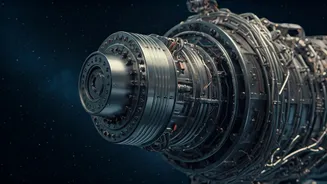
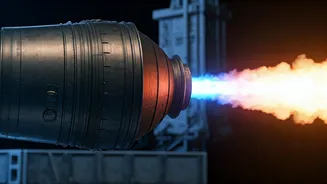
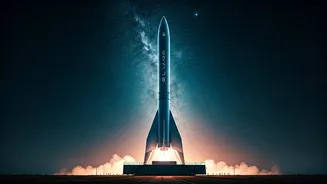
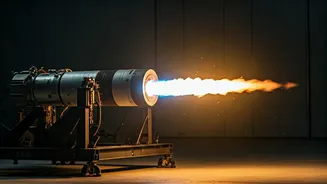
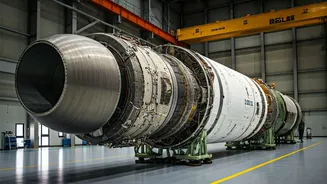
On July 3, 2026, the Indian Space Research Organisation (ISRO) successfully conducted the first ground test of a new solid motor at the Satish Dhawan Space Centre in Sriharikota. This motor is not for the main rocket but for a new, specialized vehicle
called SOLVE, which stands for Sub-Orbital Launch Vehicle for Experiments. The test, which began at 10 a.m., was a complete success, with all performance parameters of the motor meeting ISRO's expectations. This successful firing is a critical step in preparing for a series of high-stakes tests essential for ensuring the safety of future Gaganyaan astronauts.
The SOLVE Rocket and Its Vital Mission
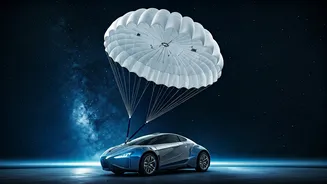
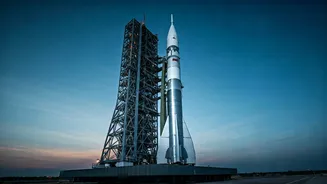
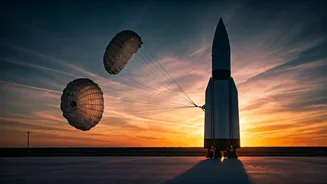
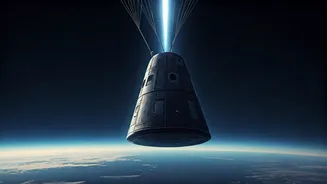
Think of SOLVE as a dedicated test platform. Its primary job is to carry a replica of the Gaganyaan Crew Module to a specific altitude before dropping it to test one of the most critical safety systems: the parachutes. The SOLVE vehicle will launch the module to a height of between 10 and 17 kilometres. Once it reaches the target altitude, the module will separate and begin its descent. This is where the real test begins, as a complex sequence of 10 different parachutes must deploy perfectly to slow the module down for a safe splashdown in the sea. Developing this dedicated test vehicle gives ISRO greater flexibility to simulate the diverse and challenging conditions the crew module will face when returning to Earth.
Why Parachute Tests Are Non-Negotiable
For any human spaceflight mission, getting the astronauts into orbit is only half the battle; bringing them back safely is paramount. The parachute deceleration system is the final and most crucial safety net. After the crew module re-enters Earth's atmosphere at incredibly high speeds, this system is solely responsible for slowing it down from thousands of kilometres per hour to a gentle splashdown velocity. The system involves multiple stages of parachutes, each deploying in a precise sequence to manage the immense forces and ensure the capsule remains stable. The successful ground test of the SOLVE motor is a direct enabler for these parachute trials, as it provides a reliable way to get the crew module to the required altitude to begin the test sequence. Validating this system under real-world conditions is an absolute requirement before any astronaut boards the spacecraft.
The Road Ahead for Gaganyaan
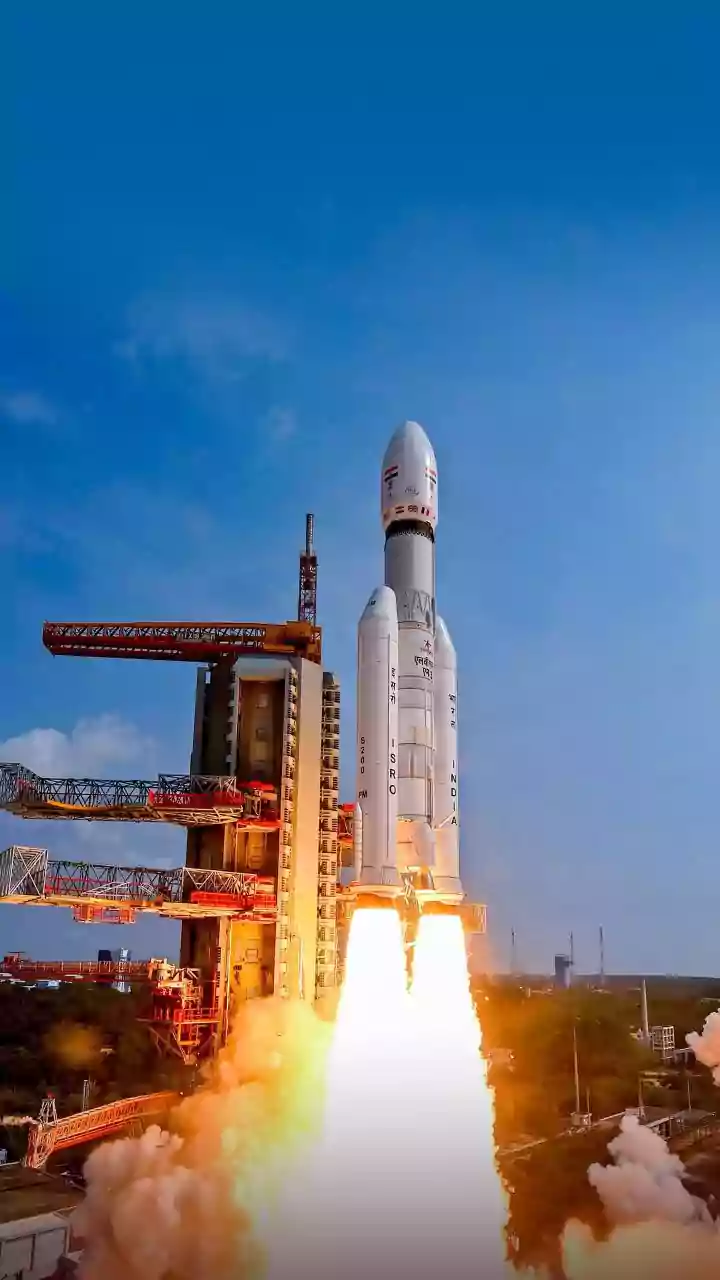
This successful test is another feather in the cap for ISRO's meticulous preparation for the Gaganyaan mission. The programme aims to send a crew of three astronauts into a 400-kilometre low-Earth orbit for a three-day mission. Before that historic flight, which would make India only the fourth nation to achieve independent human spaceflight, a series of uncrewed missions are planned. These missions will test every system, from the life support inside the capsule to the performance of the human-rated LVM3 rocket. The first uncrewed flights will validate the technology, including a mission carrying Vyommitra, a humanoid robot, to test the cabin environment. The recent SOLVE motor test directly supports this phased approach, ensuring that every safety component, especially the critical parachute system, is tested exhaustively and proven to be reliable. It builds momentum and confidence as ISRO moves closer to the final frontier of human spaceflight.