


From Abundance to Artistry
The massive, all-you-can-eat dessert buffet has long been a staple of weddings and large parties, a symbol of generous hospitality. But a significant shift is underway, driven by both practicality and a change in values. Today’s hosts are more conscious
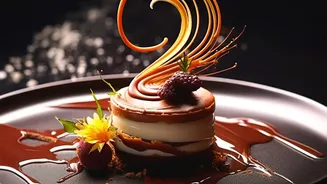
of budget and food waste, making a sprawling table of untouched cakes and pastries feel both expensive and irresponsible. Instead of overwhelming guests with quantity, the focus has moved to quality and presentation. The new goal is not to stuff everyone, but to offer a memorable, high-quality experience. This approach allows for investment in better ingredients and more skilled artisanship, turning the dessert course from a simple final bite into a curated event highlight. Many couples and hosts still opt for a small, symbolic cake for cutting, but surround it with a thoughtful selection of other treats.
The Instagram Effect
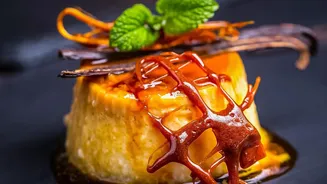
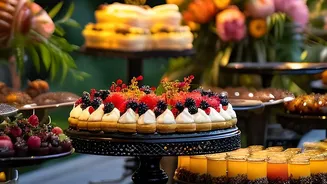
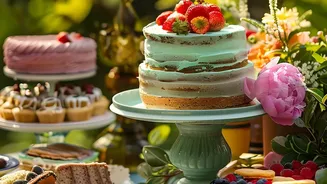
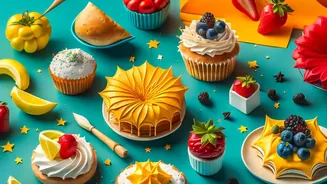
In the age of social media, every part of an event is a potential photo opportunity, and the dessert table is no exception. A key reason for the move towards smaller, more distinctive displays is their visual appeal. A well-styled table with unique, artful treats is more likely to be photographed and shared online than a generic buffet. This has pushed hosts and planners to think like food stylists, creating displays that are not just delicious but also serve as a decorative centrepiece. The design incorporates elements like tiered stands, coordinated platters, fresh flowers, and elegant backdrops to create a cohesive and eye-catching look. The result is a dessert experience that is as much a feast for the eyes as it is for the palate, perfectly suited for a world where moments are captured and shared instantly.
A Focus on Personalisation
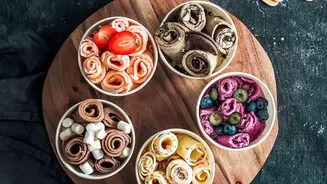
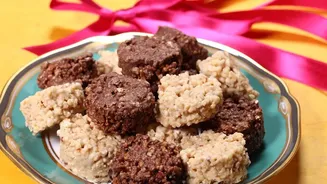
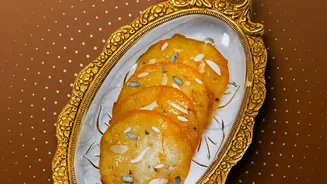
A smaller dessert table offers a unique canvas for personal expression. Couples and hosts are using desserts to tell their story, incorporating family recipes, treats from their cultural heritage, or sweets inspired by shared travels and experiences. This move towards personalisation makes the dessert course more meaningful and memorable. Instead of generic crowd-pleasers, you might find a platter of a grandmother's famous cookies or a traditional pastry that honours the family's roots. Some hosts even create interactive stations, like a build-your-own sundae or s'mores bar, that allow guests to create their own custom treats. This transforms the dessert table from a static display into an engaging activity, adding another layer of fun and personal connection to the celebration.
The Power of the Miniature
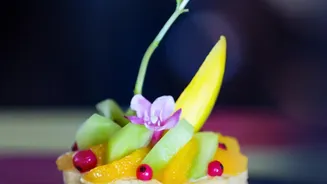
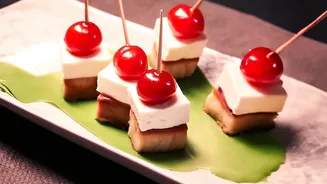
Perhaps the biggest trend driving the new dessert table is the rise of miniature treats. Offering a variety of bite-sized options like macarons, dessert shooters, mini cheesecakes, and petit fours has several advantages. Firstly, it caters to modern preferences for portion control and allows health-conscious guests to indulge without guilt. Secondly, it offers guests the joy of variety; instead of committing to one large slice of cake, they can sample several different flavours and textures. This 'tasting menu' approach makes the experience more exciting and satisfying. For hosts, mini desserts are often easier to manage in terms of serving and can reduce waste, as guests are more likely to finish a small item. From colourful macaron towers to elegant dessert shots, these tiny treats deliver a major impact in both flavour and style.