




The Undeniable Perks of Going Frozen
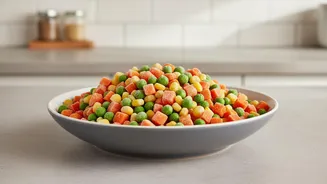
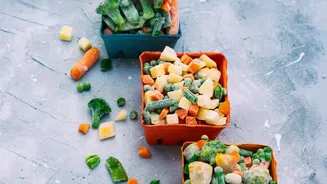
In the debate between fresh and frozen, convenience often wins. Frozen vegetables are pre-washed, pre-chopped, and ready to go, saving valuable time during meal prep. They also allow you to enjoy seasonal produce like peas or corn year-round. From a nutritional
standpoint, they are surprisingly robust. Vegetables are typically flash-frozen at their peak ripeness, a process that locks in vitamins and minerals. In fact, some studies show that frozen vegetables can retain more Vitamin A, Vitamin C, and folate than fresh produce that has travelled long distances or sat on shelves for days. This rapid freezing preserves nutrients that would otherwise degrade over time. Furthermore, buying frozen can be more cost-effective and helps minimise food waste, as you can use the exact amount you need and save the rest for later.
Mastering the Art of Freezer Storage
The key to maintaining the quality of frozen vegetables lies in proper storage. While technically safe to eat indefinitely if kept at a constant 0°F (-18°C), their quality in terms of flavour and texture diminishes over time. Generally, most frozen vegetables are best consumed within 8 to 12 months. The biggest enemy is freezer burn, which occurs when moisture evaporates from the food's surface, leaving dry, discoloured, and leathery spots. This happens due to improper packaging, temperature fluctuations, or simply being stored for too long. To prevent it, ensure bags are sealed tightly with as much air removed as possible. If you open a large bag, consider transferring the contents to smaller, airtight freezer bags or containers to reduce air exposure for the remaining portions. A bag full of large ice crystals is a tell-tale sign that the vegetables have partially thawed and refrozen, which will negatively impact their texture.
Common Cooking Mistakes to Avoid
Many people's aversion to frozen vegetables stems from one thing: mushiness. This is almost always the result of improper cooking. The single biggest mistake is boiling them. Boiling frozen vegetables in a large pot of water leaches out flavour and water-soluble vitamins, resulting in a soggy, bland mess. Another frequent error is thawing them before cooking. Unless a recipe specifically instructs you to, cooking vegetables directly from frozen is best. Thawing allows ice crystals to melt, making the vegetables waterlogged and preventing them from getting crisp or seared. Finally, overcooking is a common pitfall. Because most frozen vegetables are blanched (partially cooked) before freezing, they need less cooking time than their fresh counterparts. Adding them too early to stews or stir-fries will cause them to disintegrate.
The Best Ways to Cook Frozen Vegetables
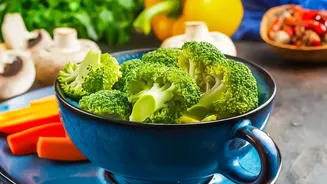
To unlock the true potential of frozen vegetables, you need to use the right cooking methods. High, dry heat is your best friend. Roasting is a fantastic option. Toss frozen vegetables like broccoli, cauliflower, or carrots with oil and seasoning, then spread them on a preheated baking sheet in a hot oven (around 205-220°C). The high heat evaporates moisture quickly, allowing the vegetables to brown and caramelise instead of steam. Sautéing or stir-frying also yields great results. Ensure your pan and oil are very hot before adding the vegetables straight from the freezer. This high-heat searing preserves their texture and vibrant colour. Steaming is another excellent choice, as it cooks the vegetables without submerging them in water. Just be sure to place them in a steamer basket above the boiling water, not in it. For soups and curries, add the frozen vegetables during the last 5-10 minutes of cooking to ensure they are heated through but still have a pleasant bite.