

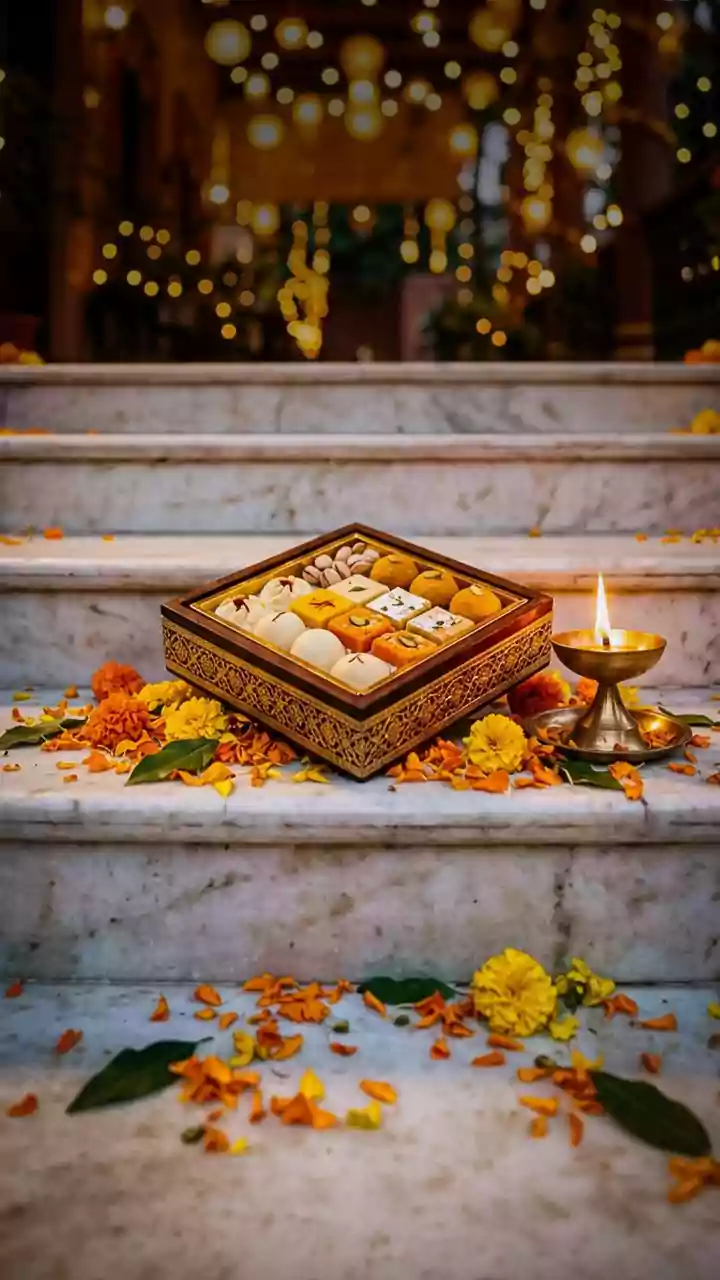

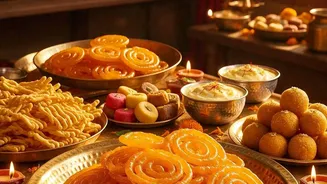

Diwali is a festival of lights, joy, and, of course, an abundance of delicious sweets. But for those managing blood sugar, it can be a tricky time. The good news? You don't have to miss out. Here’s how to enjoy the festivities mindfully.
Choose Your Sweet Wisely
Not all sweets
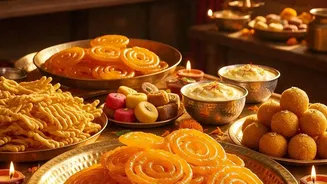
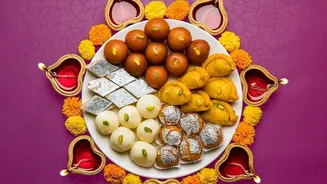
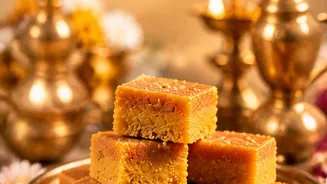
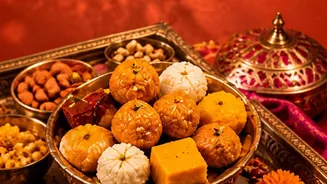
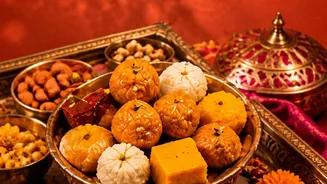
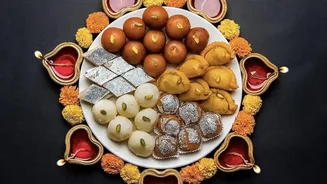
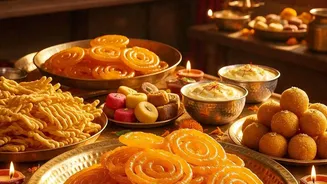
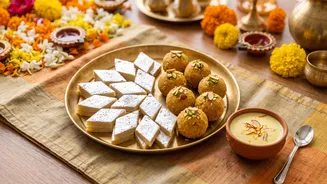
are created equal. Some traditional options can cause a sharp spike in blood sugar, while others are more manageable. Sweets made primarily from nuts, milk, or besan (gram flour) tend to have a lower glycemic impact than those made with refined flour (maida) and soaked in sugar syrup. For instance, a dry fruit laddu, kaju katli, or a piece of sandesh is often a better choice than deep-fried, syrup-drenched sweets like gulab jamun or jalebi. Making sweets at home gives you even more control, allowing you to use whole grains, reduce sugar, or opt for natural sweeteners like dates.
Practice the 'One Piece' Rule
Portion control is your most powerful tool during the festive season. Instead of sampling every mithai on the platter, decide which one you truly want to enjoy and stick to a single, small portion. A practical serving size is about one bite-sized piece. This allows you to savour the flavour without overwhelming your system. If a dessert is large, consider sharing it with a family member. This lets you partake in the celebratory treat without consuming the entire portion yourself.
Timing Is Everything
When you eat your sweet matters almost as much as what you eat. Avoid eating sweets on an empty stomach, as this can cause a rapid rise in blood glucose levels. A much better strategy is to have your chosen treat after a balanced meal. A meal rich in fibre, protein, and healthy fats can help slow down the absorption of sugar into your bloodstream, preventing a sudden spike. Also, try to avoid eating sweets late at night, as your metabolism is slower, making it harder for your body to process the sugar.
Build a Balanced Plate
If you know you'll be having dessert, plan the rest of your meal accordingly. A good rule of thumb for your main course is to fill half your plate with nonstarchy vegetables or a salad. One quarter should be a lean protein source like dal, paneer, or curd, and the final quarter can be your carbohydrate, such as roti or rice. By eating a meal rich in fibre and protein first, you support better blood sugar control and are less likely to overindulge in sweets later.
Stay Hydrated and Active
Don't underestimate the power of water and movement. Staying well hydrated helps your body function optimally. Instead of reaching for sugary drinks, stick to water, unsweetened buttermilk, or lime water. Physical activity also helps your body use glucose more efficiently. You don't need an intense workout; even a short walk after a meal can make a significant difference in managing your blood sugar levels. Try to maintain your regular exercise routine as much as possible throughout the festive period.
Mindful Indulgence, Not Deprivation
The goal is not to completely avoid the foods you love, but to enjoy them in a way that supports your health. Practice mindful eating by paying attention to the flavours and textures of your sweet treat. Eat slowly and savour each bite, which can lead to greater satisfaction with a smaller portion. Storing boxes of sweets in an opaque container or out of sight can also reduce the temptation for mindless grazing. Remember, Diwali is about celebration and connection, and with a little planning, you can enjoy it to the fullest without compromising your well being.