







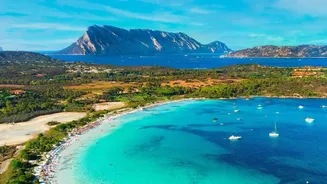
A New Global Honour
Palolem Beach, long beloved for its crescent-shaped bay and tranquil waters, has been thrust into the international spotlight. The south Goa gem was ranked sixth in the 'Global Beach Index 2026' by the travel platform Beach.com. This placed it not only
in the top ten worldwide but also made it the highest-ranked beach in all of Asia, and the only one from the continent to feature in the top 25. The announcement, shared by Goa's Tourism Department, celebrates the beach's unique charm, which combines a laid-back atmosphere with activities like kayaking and dolphin-watching trips. The ranking provides a significant promotional boost just as the tourist season gets underway.
How the Ranking Works
Unlike a simple popularity contest, the Global Beach Index by Beach.com claims a multi-faceted approach. The methodology reportedly combines nominations from travel experts with an analysis of thousands of visitor reviews to gauge public sentiment. Furthermore, it incorporates technical data, including satellite information from NASA to assess water colour and clarity. According to the organisers, Palolem scored high across several parameters, including its pristine water quality, available amenities, accessibility, and overall positive visitor experience. This data-driven approach aims to provide a more holistic view of what makes a beach truly exceptional, moving beyond just scenic beauty.
Ranking vs. Official Certification
While rankings from travel sites are excellent for visibility, it's crucial to understand they are not the same as official government or international certifications. These commercial lists, often based on user reviews or a private company's criteria, are primarily designed to guide travellers. They reflect a beach's popularity and the quality of the visitor experience. On the other hand, official certifications, such as the Blue Flag programme, are stringent, science-based eco-labels that function more like an audit of environmental and safety standards. They are not about which beach is 'best' for a holiday, but which is managed most sustainably.
The Gold Standard: Blue Flag Explained
The Blue Flag is a prestigious international eco-label awarded by the Denmark-based Foundation for Environmental Education (FEE). To earn it, a beach must meet 33 strict criteria covering water quality, environmental management, safety, and educational services. These include regular water testing, robust waste management systems, the presence of lifeguards, and displaying information about the local ecosystem. The certification is not permanent and must be renewed annually, ensuring standards are consistently maintained. As of late 2026, India has 22 beaches with this coveted certification, including new additions in Maharashtra, but notably, no beach in Goa currently holds the Blue Flag status.
What This Means for Travellers
Palolem's high ranking in the Global Beach Index is a testament to its undeniable appeal. For decades, visitors have been drawn to its calm, swimmable waters, the picturesque line of coconut palms, and the relaxed charm of its beach shacks. The ranking validates the positive experiences of countless tourists and serves as a powerful endorsement for Goa tourism. It confirms what many already knew: Palolem is a world-class destination. However, the distinction remains important. While the ranking celebrates Palolem's popularity and beauty, the Blue Flag certification represents a different kind of achievement—one focused on audited environmental stewardship and safety protocols. Both have value, but they measure different things.