


A Frightening Drop at 36,000 Feet
On August 4, 2026, passengers on Air India flight AI2379 from Phuket to Delhi experienced a terrifying few moments. While cruising at altitude, the Airbus A320neo encountered severe, unexpected clear-air turbulence, causing a sudden drop of about 300
feet. The event was violent enough to injure 13 passengers and four crew members. Passenger accounts describe a chaotic scene where those not buckled in were thrown against the cabin ceiling. While the aircraft landed safely in Delhi, with medical teams on standby, the incident serves as a powerful case study in why aviation authorities are so insistent on one simple rule.
Understanding the Unseen Bumps
Turbulence is not a sign that the plane is in trouble; it is a normal part of flying. Think of it like a boat sailing over waves. The air is a fluid, with currents, temperature changes, and varying pressures. Major causes include weather systems like thunderstorms, air flowing over mountains, and shifts in the jet stream — fast-moving rivers of air at high altitudes. The most unpredictable type is Clear-Air Turbulence (CAT), which occurs in cloudless skies and is invisible to both pilots and radar. While modern aircraft are engineered to withstand even the most severe turbulence without issue, the real danger is not to the plane itself, but to the people and objects inside.
The Real Risk: Unsecured Bodies
According to the Federal Aviation Administration (FAA), turbulence is the leading cause of non-fatal injuries on commercial flights. The overwhelming majority of these injuries happen to people who are not wearing their seatbelts. During severe turbulence, an unbuckled passenger essentially becomes a projectile. The sudden vertical jolts can launch a person out of their seat, causing head injuries from impact with the ceiling, injuries from colliding with other passengers, or fractures upon landing back down. Loose items like laptops or service carts can also become dangerous hazards. The injuries from the recent Air India flight, like so many before it, were almost exclusively among those who were not restrained.
The Single Most Effective Solution
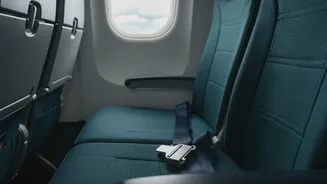
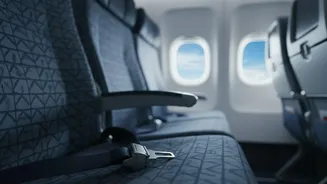
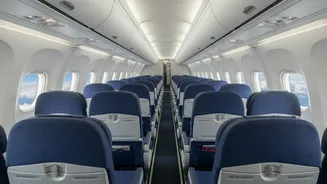
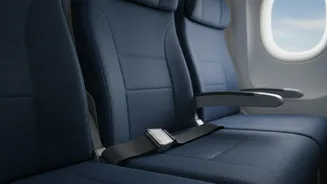
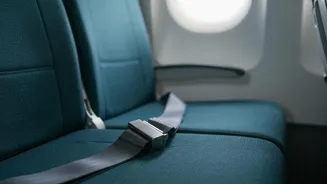
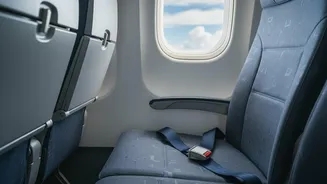
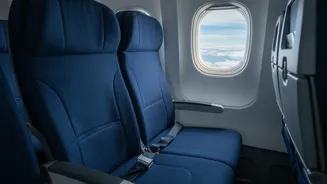
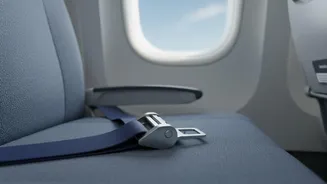
Pilots and safety experts are unanimous on the best defence against turbulence-related injury: keep your seatbelt fastened whenever you are seated. This applies even when the seatbelt sign is off. Pilots often have warnings of potential rough air ahead and will switch on the sign as a precaution. However, clear-air turbulence can strike without any warning at all. Keeping the belt loosely fastened across your lap at all times provides a crucial layer of protection against these sudden, unexpected events. It is the single most effective action a passenger can take to ensure their personal safety.
Putting Safety on Your Checklist
While flying remains one of the safest modes of transportation, incidents like the one on AI2379 are reminders to be an active participant in your own safety. Pay attention to the pre-flight safety briefing. Know where the exits are. Secure your carry-on baggage properly so it doesn’t become a hazard. And most importantly, make it a habit to buckle up as soon as you sit down and keep your belt fastened until you are at the gate. It’s a simple, passive action that can prevent serious injury during a few moments of rough air, allowing you to walk away from a bumpy flight with nothing more than a story to tell.