





After days of festive indulgence filled with sweets and fried snacks, the post-Diwali guilt can be real. Many are tempted by crash diets and intense detoxes, but experts warn this approach can backfire. A cardiologist offers a gentler path.
The Post-Festival Detox Trap
The Diwali
celebrations, with their endless array of laddoos, chaklis, and rich meals, can leave you feeling bloated, sluggish, and guilty. It's a common response to want to 'undo' the damage as quickly as possible. This mindset fuels the popularity of post-festival 'detox' plans, juice cleanses, and extreme calorie restriction. The promise of a rapid reset is tempting, but health professionals, including cardiologists, caution that these drastic measures are often misguided and can disrupt your body's natural balance, leading to more harm than good.
Why Extreme Diets Do More Harm Than Good
Your body has a highly efficient, built-in detoxification system run by the liver and kidneys, which works around the clock. Extreme diets don't help this process and can actively hinder it. Severely restricting calories can lead to nutrient deficiencies, muscle loss, and fatigue. It can also slow down your metabolism, making it easier to regain weight—and sometimes even more—once you stop the diet. This cycle of deprivation followed by overeating can strain the heart and create an unhealthy relationship with food. A cardiologist-approved approach avoids this 'yo-yo' pattern, focusing instead on sustainable habits.
The Prescription: A Return to Normalcy
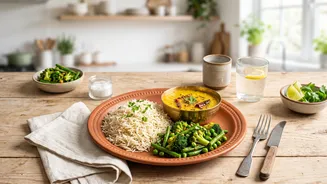
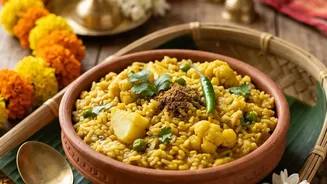
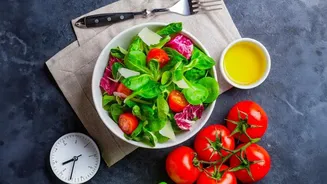
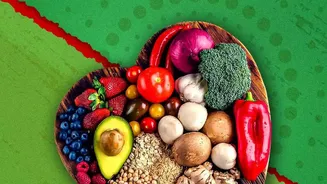
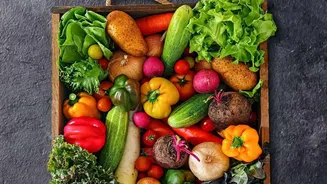
So, what is the expert advice? Instead of punishment, practice compassion for your body. The goal is to gently guide it back to its regular rhythm. Cardiologists and nutritionists agree that the best strategy is simply to return to normal, balanced eating. This doesn't mean surviving on salads alone. It means reintroducing wholesome, home-cooked Indian meals. Think dal, roti, seasonal vegetables, and a side of curd—foods that are both nourishing and easy on a digestive system that has been working overtime. The key is to resume your regular meal timings and avoid skipping meals, as that can lead to overeating later.
Practical Steps for a Gentle Recovery
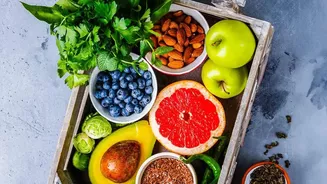
Getting back on track is about making small, consistent changes. Start by focusing on hydration; sip water throughout the day, which aids digestion and helps flush out toxins. If plain water feels boring, try coconut water or a glass of homemade buttermilk (chaas). Next, slowly reintroduce fibre to your diet with fresh fruits, salads, and whole grains like oats. Fibre helps regulate digestion and keeps you feeling full. Also, pay attention to portion sizes. You don't have to ban leftover Diwali sweets, but enjoy them in small amounts rather than as a meal replacement.
Incorporate Light Movement
You don't need to compensate for festive eating with intense, punishing workouts. However, light physical activity can make a significant difference in how you feel. A gentle 15–20 minute walk, especially after meals, can aid digestion and boost your mood. The focus should be on getting your body moving again, not on burning a specific number of calories. Resuming your regular exercise routine gradually is a sensible way to restore energy levels and support your overall well–being.