






Why A Gradual Transition Is Crucial
After nine days of a restricted diet, your digestive system slows down. It produces fewer of the enzymes needed to break down complex, heavy foods. Suddenly reintroducing rich, oily, or large meals can overwhelm it, leading to uncomfortable symptoms like
bloating, gas, acidity, and indigestion. Your body has been in a state of rest and repair, and it needs time to readjust to its normal digestive workload. Think of it as waking someone up gently rather than with a loud alarm. A gradual return to a normal diet ensures your body can handle the change without discomfort, allowing you to enjoy the festive season feeling light and energetic.
Start with Liquids and Hydration
Before you even think about solid food, prioritise hydration. Your body can lose a significant amount of water during a fast. Start by drinking plain water, coconut water, or a glass of buttermilk (chaas). These fluids replenish your system and prepare your stomach for digestion without being too harsh. A simple, low-sodium vegetable broth or a light, blended soup is also an excellent choice. These hydrating options provide essential electrolytes and nutrients in an easily digestible format. Avoid sugary drinks, sodas, and caffeine, which can be jarring to your system after a period of clean eating.
Your First Post-Fasting Meals
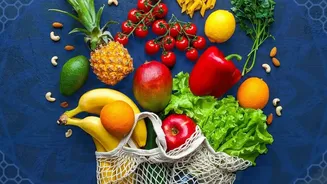
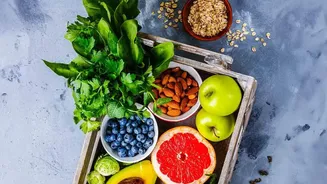
Your first meal should be light, simple, and small. A great way to break the fast is with a piece of fruit like a banana, papaya, or apple. These are easy to digest and provide natural sugars for a gentle energy boost. Another excellent option is a small bowl of plain curd or yogurt. It acts as a natural probiotic, helping to restore healthy gut bacteria and improve digestion. For your first proper meal, consider something soft and bland like a simple dal-khichdi, a small portion of steamed vegetables, or a roti with a light sabzi. The goal is to provide nourishment without forcing your digestive system to work overtime.
Foods to Avoid for a Day or Two
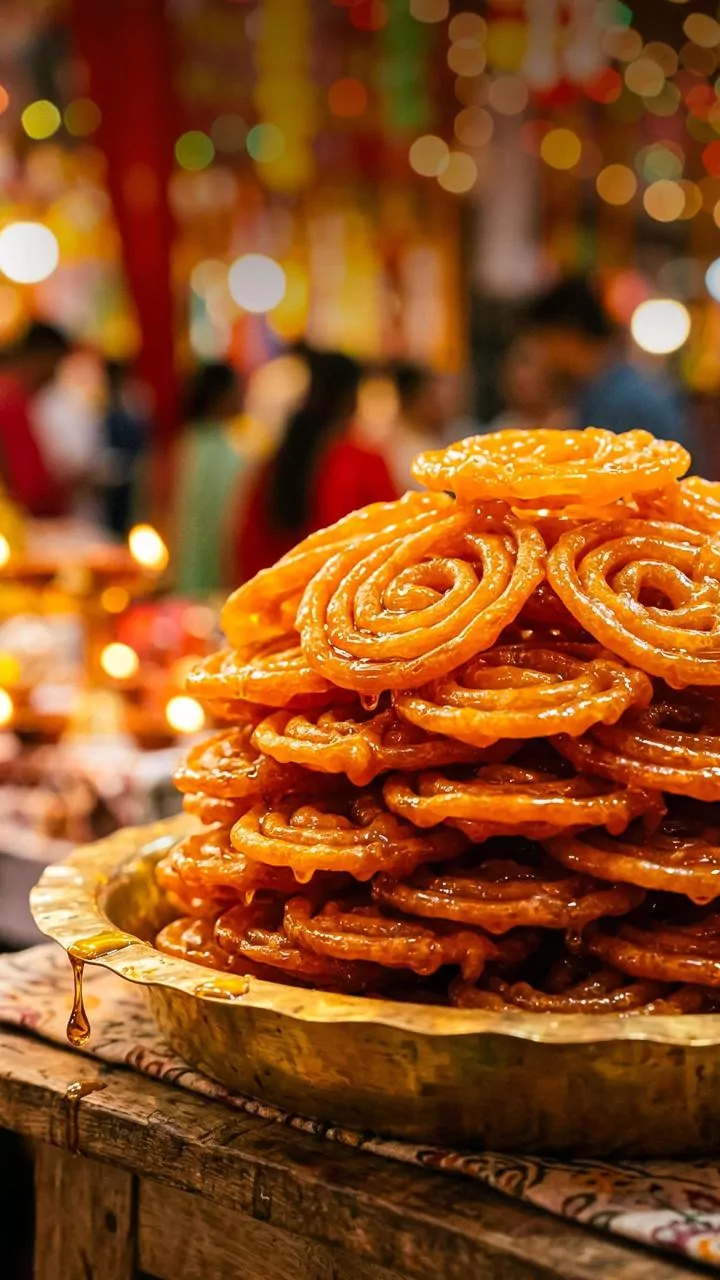
Just as important as what to eat is what to avoid. For the first 24 to 48 hours after breaking your fast, steer clear of certain foods that can cause digestive distress. This includes deep-fried items like puris, pakoras, and samosas, as well as heavy sweets laden with sugar and ghee. These foods are high in fat and sugar, which can be difficult for your system to process immediately. Also, be cautious with extremely spicy dishes, as they can irritate the stomach lining. Processed and packaged foods, which are often high in salt and unhealthy additives, should also be avoided as you ease back into your regular diet.
Practice Mindful and Slow Eating
Overeating often happens when we eat too quickly without paying attention. After days of restriction, the urge to eat a lot, fast, can be strong. Counter this by eating slowly and mindfully. Chew each bite thoroughly. It takes about 20 minutes for your brain to receive the signal from your stomach that you are full. Eating slowly gives your body time to register satiety, preventing you from consuming more than you need. Put your fork down between bites and savour the flavours you've missed. This practice not only aids digestion but also makes the meal more satisfying, reducing the psychological need to overindulge.
Reintroduce Foods Systematically
Don't try to eat everything you missed all at once. Gradually reintroduce different food groups. You started with fluids and fruits; next, add simple carbohydrates and proteins like dal and rice. Slowly bring back regular grains, a wider variety of vegetables, and then more complex meals. Adding a good source of protein to your meals, such as paneer, dal, or eggs, will help keep you feeling full and support muscle health. By reintroducing foods in stages, you give your digestive system the chance to adapt at each step, making the entire transition smoother and more comfortable for your body.