





The Rise of a Green Superfood
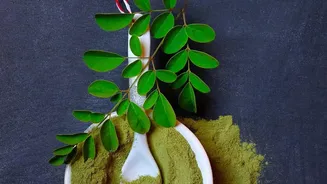
Suddenly, moringa is everywhere. From powders lining health food shelves to being touted by wellness influencers, this humble plant has achieved global “superfood” status. For many in India, however, moringa is anything but new. Known as ‘shevga’ or ‘murungai,’
its drumstick pods have been a staple in sambar and curries for centuries, while its leaves have been used in traditional stir-fries and dals. This long-standing presence in Indian cuisine is rooted in its resilience and versatility. Almost every part of the tree is edible and has been used in Ayurvedic practices for generations. The recent surge in popularity is largely due to the wellness industry discovering its impressive nutritional profile, taking it from a familiar backyard tree to a must-have health ingredient.
A Genuine Nutritional Powerhouse
The hype around moringa is not without merit; its leaves are genuinely packed with nutrients. They are an excellent source of vitamins A and C, along with essential minerals like iron, calcium, and potassium. A single cup of fresh, chopped leaves contains a significant amount of your daily recommended intake for several vitamins, including Vitamin B6 and Riboflavin (B2). Furthermore, moringa leaves are rich in antioxidants, which help protect the body's cells from damage. They also provide a good amount of plant-based protein and dietary fibre. So, when you add moringa powder or fresh leaves to your idli batter, you are undeniably enriching it with a broad spectrum of beneficial vitamins and minerals.
Health Claim vs. Kitchen Reality
This is where we need to draw a line between nutrition and medicine. While moringa is incredibly healthy, it is not a cure for chronic diseases. Some small-scale studies have suggested potential benefits for managing blood sugar and cholesterol, but the evidence is often limited or inconsistent. Health experts caution against viewing it as a replacement for prescribed medical treatments. Exaggerated claims that moringa can reverse diabetes or cure major illnesses are not supported by strong scientific evidence. Adding it to idli makes the breakfast healthier, but it won’t solve underlying health conditions on its own. It's a nutritious enhancement, not a silver bullet.
How to Best Enjoy Moringa Idli
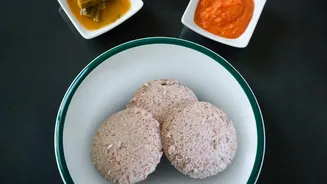
The best way to appreciate moringa idli is to see it as a wonderful culinary innovation. The addition of moringa leaves or powder gives the idlis a beautiful green hue and a subtle, earthy flavour that pairs well with traditional chutneys and sambar. You can easily make it at home by adding fresh, finely chopped moringa leaves or a tablespoon of moringa powder to your standard idli batter before fermentation or steaming. This simple step elevates a beloved breakfast staple, making it more colourful, flavourful, and nutrient-dense. Think of it as giving your idli a nutritional upgrade, similar to how one might add grated carrots or spinach to parathas.
Moderation and a Balanced Plate
As with any ingredient, moderation is key. Consuming very large quantities of moringa can lead to digestive issues like an upset stomach or diarrhea. Certain parts of the plant, like the bark, can be harmful, especially during pregnancy. It's also important to be aware of potential interactions with medications for blood pressure or diabetes. Ultimately, the foundation of good health is not a single superfood, but a varied and balanced diet. Moringa idli can be a fantastic part of that diet, but it should complement a lifestyle rich in diverse fruits, vegetables, whole grains, and lean proteins. No single ingredient can do all the work.