
A Sudden Jolt, A Stark Reminder
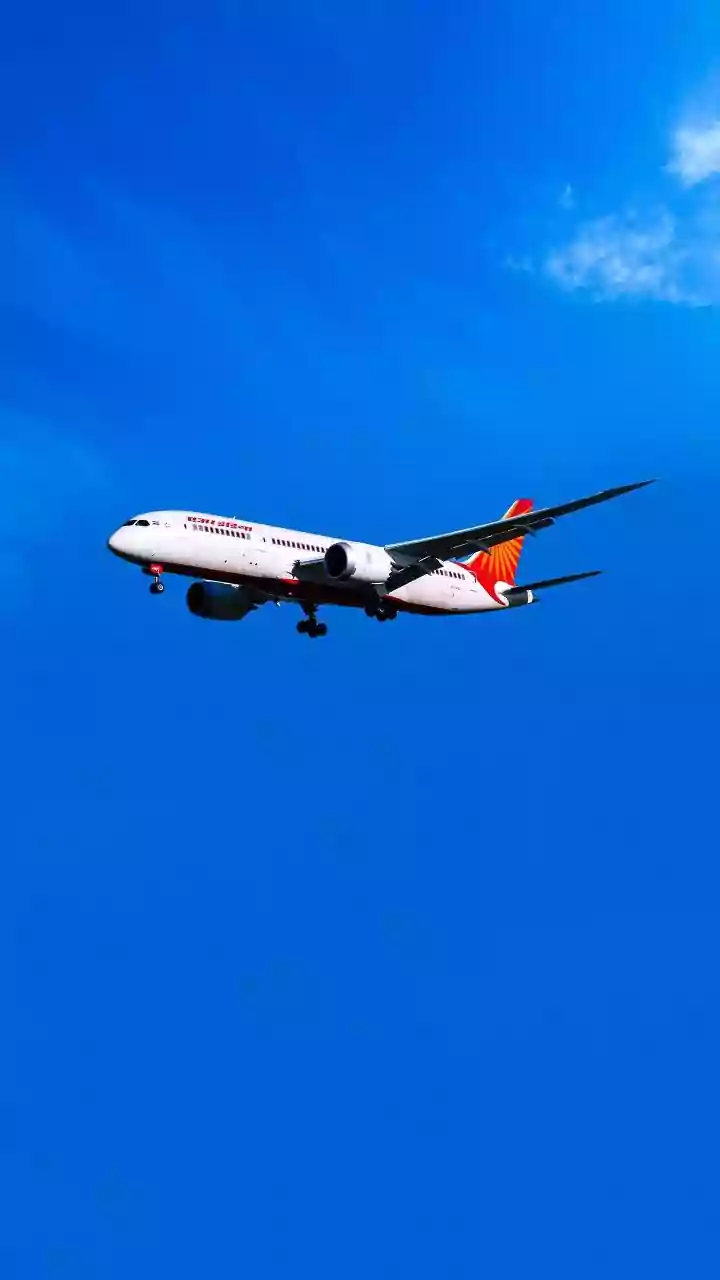
On Tuesday, August 4, 2026, Air India flight AI2379 from Phuket to Delhi encountered a sudden, violent patch of turbulence. The Airbus A320neo reportedly experienced a momentary loss of altitude of about 300 feet while at its cruising altitude. The event
was powerful enough to cause injuries to 17 people on board, including 13 passengers and four cabin crew members. While the flight crew skillfully stabilized the aircraft and landed safely in Delhi, the incident underscores a crucial reality of air travel: the greatest danger during turbulence often comes from being unsecured inside the cabin. Incidents like this, and the severe Singapore Airlines event in May 2024 where a passenger died and dozens were injured, highlight that even on a seemingly smooth flight, the unexpected can happen.
Understanding The Invisible Threat
Turbulence is essentially unstable air movement caused by various factors like weather fronts, thunderstorms, or air moving over mountains. While pilots use sophisticated weather radar to avoid storm-related turbulence, one type is particularly insidious: Clear-Air Turbulence (CAT). CAT occurs in cloudless skies, often at high altitudes within the jet stream, and gives pilots little to no warning. It’s caused by clashes between air masses moving at different speeds. Because it's invisible to both the eye and conventional radar, a plane can enter a zone of severe CAT without warning. This is why the fasten seatbelt sign might illuminate suddenly, or why, in rare cases, a jolt can happen even when the sign is off. Studies suggest climate change may be making these incidents more frequent and intense.
The Single Most Important Safety Device
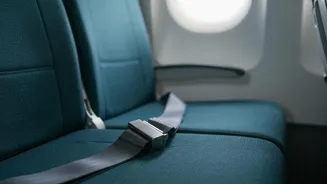
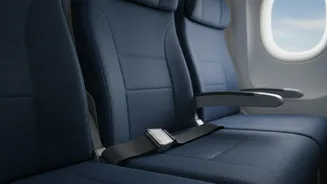
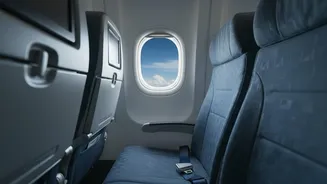
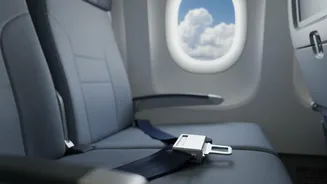
The most effective way to prevent injury from unexpected turbulence is startlingly simple: keep your seatbelt fastened whenever you are seated. According to the Federal Aviation Administration (FAA), this simple act is the top defense against being thrown from your seat. During severe turbulence, an aircraft can experience forces that briefly make occupants feel weightless, lifting unsecured passengers and crew towards the ceiling. A two-point lap belt is specifically designed to counteract these vertical forces, keeping you firmly in your seat. While many passengers unbuckle when the seatbelt sign goes off, aviation experts and flight attendants strongly advise against it. That chime simply means it’s safe to move about the cabin if necessary; it is not a signal that the air ahead is guaranteed to be smooth.
Secure Your Space and Belongings
Beyond personal safety, securing your immediate environment is another key step. During severe turbulence, any loose object can become a dangerous projectile. This includes laptops, tablets, metal water bottles, and even items from the galley service. Before takeoff, and whenever the seatbelt sign is on, ensure your carry-on luggage is properly stowed either in the overhead bin or completely under the seat in front of you. Never leave heavy or hard objects on an empty adjacent seat or on your lap. Following flight attendants' instructions to put away tray tables and other items promptly is not just about tidiness; it's a critical safety measure to minimize the risk of injury to yourself and others.
Listen to the Professionals
Flight attendants are highly trained safety professionals, and their instructions are paramount. They have a direct line to the flight deck and often receive information about potential turbulence before passengers do. If they ask you to return to your seat and buckle up, do so immediately. In the event of sudden severe turbulence, their first priority is often their own safety, as they are most vulnerable while standing in the aisles. Their instruction for everyone to be seated is the most effective way to ensure the safety of the entire cabin. Pay attention during the pre-flight safety briefing; while it may seem repetitive, it contains the core information you need to protect yourself in an emergency.