


A Foreign Flower in an Indian Garden
Believe it or not, cauliflower is not native to India. It arrived on the subcontinent in 1822, introduced by the British during the colonial era. Unlike potatoes and tomatoes, which were brought by the Portuguese, this vegetable was a British import,
first cultivated by a botanist in Saharanpur. Initially seen as an exotic ingredient, its mild flavour and delightfully absorbent texture made it the perfect canvas for the bold and complex spice blends, or masalas, that define Indian cooking. This ability to soak up flavour allowed it to seamlessly integrate into regional cuisines, setting the stage for its culinary ascent.
The Heart of Indian Home Cooking
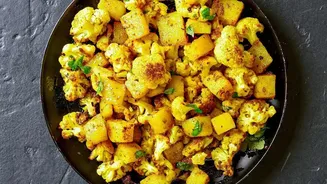
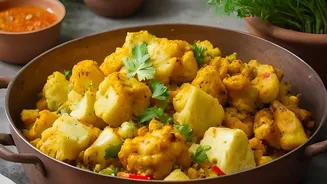
In Indian kitchens, cauliflower, or 'gobi', quickly became a beloved staple. The most iconic dish is arguably Aloo Gobi, a comforting dry curry (sabzi) that combines cauliflower with potatoes. Originating in Northern India, this dish is a testament to the subcontinent's knack for creating flavourful vegetarian meals. But the journey doesn't stop there. Gobi Masala offers a richer, gravy-based version, often found in restaurants, where florets are simmered in a creamy onion-tomato sauce. Regional variations abound: in Bengal, you might find it spiced with panch phoron, while Punjabi versions are often heartier and tangier with the generous use of tomatoes. Beyond wet and dry curries, cauliflower is also transformed into Gobi Pakoras (spiced fritters) and marinated in yogurt and spices for Tandoori Gobi, showcasing the versatility of the 'curry' concept as a flavour profile, not just a sauce.
The Global Glow-Up: From Curry to Steak
As Indian diaspora communities introduced their cuisine to the world, 'curried cauliflower' began its global journey. Western chefs and home cooks became enamored with the vegetable's potential. The trend began with simple roasted curried cauliflower, a dish where florets are tossed in olive oil, curry powder, and other spices before being roasted until caramelized and tender. This method enhances the cauliflower's natural sweetness while infusing it with aromatic warmth. The concept of a 'cauliflower steak' soon followed. Thick slabs of cauliflower are pan-seared or roasted and often brushed with a curry-inspired marinade, sometimes based on sauces like Tikka Masala or Makhani, creating a hearty, plant-based main course.
Beyond India: New Interpretations
The influence of curry on cauliflower isn't limited to Indian flavours. In Thailand, for instance, cauliflower is often incorporated into their style of curry, which is typically soupier and relies on fresh ingredients like lemongrass, galangal, and coconut milk for a brighter, distinct flavour profile. Globally, the renewed interest in cauliflower is also driven by health trends. As a low-carb, gluten-free, and versatile ingredient, it has been transformed into everything from pizza crusts to rice alternatives. Yet, even in these modern forms, the ghost of curry often lingers. Many cauliflower rice or pizza crust recipes incorporate spices like turmeric and cumin to add flavour, proving that the principles of a good masala make everything better.