




A New Spaceport on the Bayou
SpaceX has officially announced plans to construct its largest and most advanced spaceport in Vermilion Parish, Louisiana. The project, representing a historic $100 billion investment, will transform a vast coastal property on Pecan Island into a sprawling
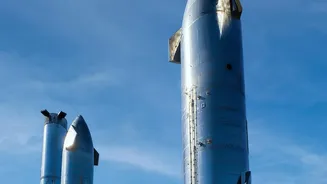
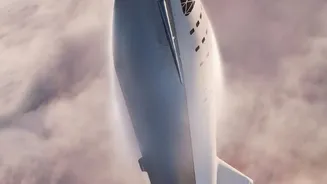
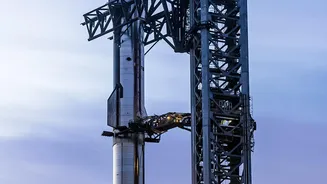
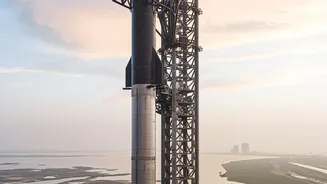
hub for the company's next-generation Starship rocket. Unlike its other facilities, Starbase Louisiana is being designed from the ground up for an unprecedented launch cadence, with the goal of supporting thousands of Starship flights annually. Plans for the self-sustaining site include five launch complexes, totaling ten launch pads, along with on-site propellant production, power generation, and vehicle processing facilities. Construction is slated to begin in 2027, with the first launch from the new spaceport targeted for 2029.
Why Louisiana?
The choice of Louisiana is a strategic one, driven by a unique combination of geography, resources, and industrial know-how. The coastal location offers ideal trajectories for launches, while the state's abundant natural gas provides a ready source for the methane fuel that powers Starship's Raptor engines. Governor Jeff Landry and other state officials highlighted the state's long history in complex industrial projects as a key factor. The deal was solidified after the state settled a lawsuit against ExxonMobil, which previously owned the land, clearing the way for SpaceX to acquire the property for development. SpaceX has committed to working with state and federal agencies on extensive environmental protections, including shoreline restoration and marshland creation, to mitigate the facility's impact on the sensitive coastal ecosystem.
The Expanding SpaceX Network
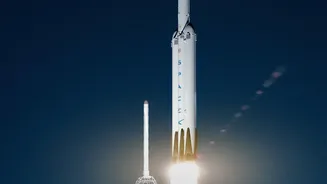
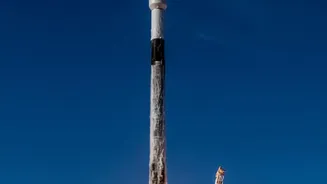
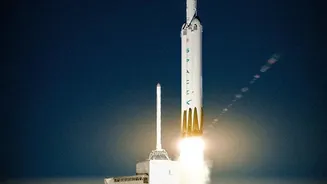
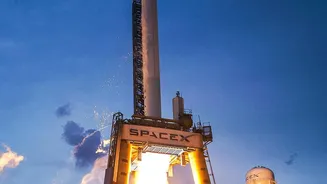
Starbase Louisiana will become the fourth pillar in SpaceX's nationwide operational network, complementing its existing major sites. The company's headquarters and primary Starship development site is at Starbase, Texas. Its workhorse Falcon 9 and Falcon Heavy rockets, along with crewed Dragon missions, launch primarily from two sites in Florida: Cape Canaveral Space Force Station and Kennedy Space Center. A fourth site at Vandenberg Space Force Base in California is used for missions requiring polar orbits. The new Louisiana facility is poised to dwarf them all in scale and ambition, designed specifically to handle the high-frequency launch and landing operations required to make Starship a fully reusable, interplanetary transportation system.
Powering the Starship Vision
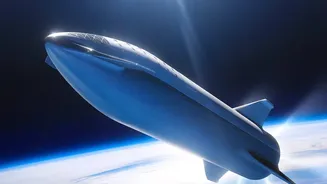
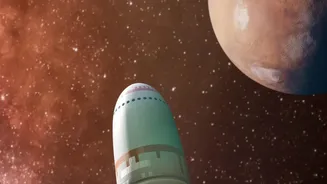
The creation of Starbase Louisiana is intrinsically linked to SpaceX's long-term vision for Starship. This fully reusable vehicle is central to the company's plans, from deploying the next generation of its Starlink internet constellation to fulfilling its contract with NASA to land astronauts on the Moon for the Artemis program. Ultimately, Elon Musk's goal is to enable the colonization of Mars. Achieving this requires a launch cadence far beyond anything possible today. Musk has stated the Louisiana site could eventually support more than 30 Starship flights per day, making it the largest launch site on Earth. This industrial-scale capability is essential for transporting the immense tonnage of cargo and people needed to establish a self-sustaining city on another planet.
An Economic Jolt for the Gulf Coast
The economic implications for Louisiana are immense. The project is expected to create at least 3,000 direct new jobs over the next decade, with an average salary of over $92,000. Furthermore, state economic development officials project the creation of more than 8,100 indirect jobs, benefiting contractors, suppliers, and service industries across the Acadiana region. The state offered a significant incentives package to secure the investment, and SpaceX has committed to hiring heavily from local communities, leveraging the region's experienced workforce. The influx of high-paying jobs and the establishment of a new high-tech industry are expected to provide a massive and lasting boost to the regional economy.