






From Chatbot to Coworker
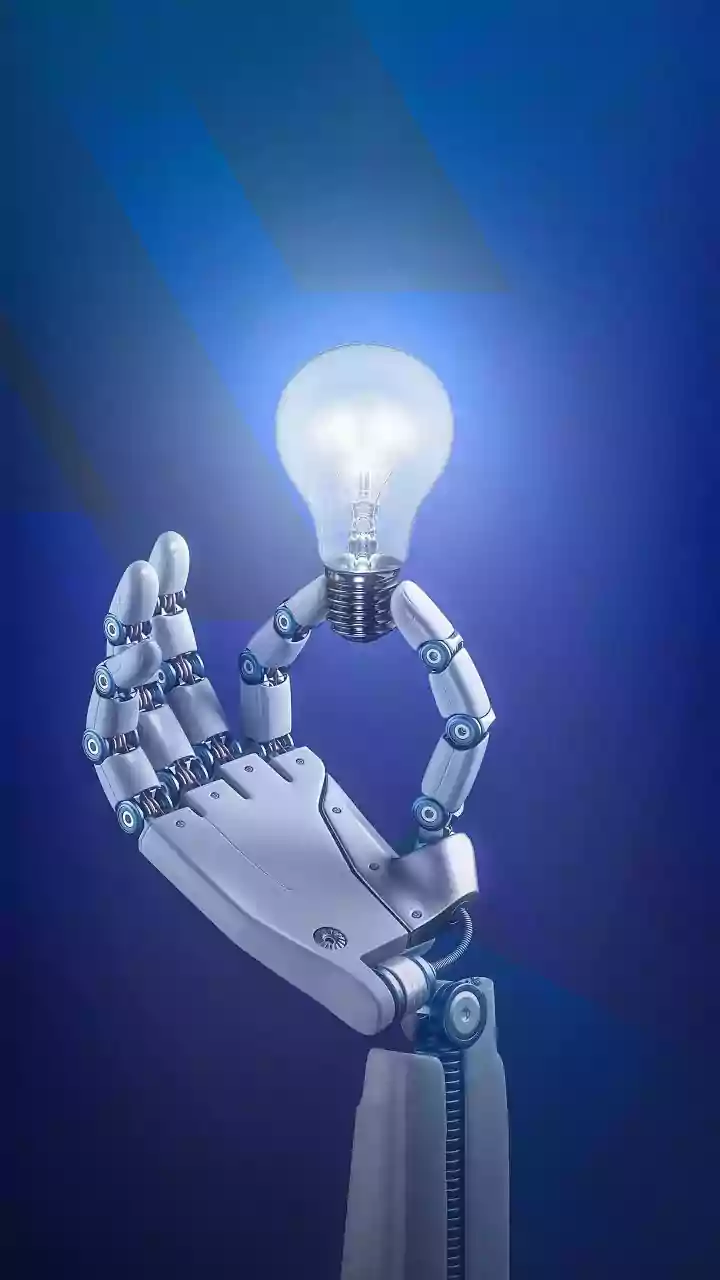
For the past few years, generative AI has mostly been a conversational partner. You ask a question, it gives an answer. But the next major leap is from conversation to delegation. The latest AI agents are designed to be persistent and proactive 'digital
coworkers' that you can assign ongoing responsibilities to. Instead of just describing how to do something, they can actually do it. The key to this evolution is giving the AI the tools a human worker would use: a computer and a web browser. Both OpenAI and Meta have taken this step, equipping their agents with the ability to operate within their own dedicated, secure cloud environments.
OpenAI's Dot: The Productivity Powerhouse
OpenAI's agent, called a 'Dot', is built directly into the ChatGPT ecosystem. Announced in late September 2026, a Dot is described as an always-on agent that can continue working on tasks even after you close the chat window. Each Dot is powered by OpenAI's advanced GPT-6 Astra model and gets its own sandboxed cloud computer and browser. The vision is clearly geared towards professional productivity. A Dot can connect to over 4,000 applications through OpenAI's plugin ecosystem, allowing it to perform complex, multi-step tasks like monitoring customer feedback, identifying bugs, and even preparing code changes for a developer's review. It learns a user's preferences and work habits over time, aiming to function as a true assistant that handles background tasks while a professional focuses on higher-level work. Communication can happen via ChatGPT, Slack, and Microsoft Teams.
Meta's Muse: The Personal Life Agent
Meta's agent, named 'Muse', was announced in early September 2026 and is positioned as a personal AI for everyone. Like Dot, Muse runs in a secure, isolated virtual machine (the 'Muse Secure VM') with its own browser, allowing it to perform tasks across the web. However, its focus is less on professional workflows and more on integrating into daily life. Users can interact with their Muse through a dedicated app, on the web, or directly within WhatsApp. The use cases Meta promotes are centred around personal convenience: planning trips, making restaurant reservations, shopping online, and managing your schedule. Muse is designed to learn from your social cues, like remembering a recipe you saved on Instagram and turning it into a grocery list. It aims to be a proactive helper that manages the logistics of your personal life.
The Browser Is the Battlefield
The ability for both Dot and Muse to use a browser is what makes them so powerful. This isn't just web scraping; it's active navigation. These agents can click buttons, fill out forms, enter login credentials you provide, and complete multi-step processes like booking a flight or completing a checkout. This is achieved by the AI model essentially 'looking' at screenshots of the webpage and deciding on the next action, be it a click or typing text. To ensure security, these actions happen in a sandboxed environment, separate from your personal computer. Both platforms also have permission systems that require user approval for sensitive actions like making a purchase or sending an email. However, this new capability creates new challenges, as some websites have already begun trying to block traffic from these agents.
Different Philosophies, Different Ecosystems
While the core technology is similar, the strategic differences are clear. OpenAI's Dot is an extension of its existing, work-focused ecosystem around ChatGPT, aiming to become an indispensable tool for businesses and professionals. It leverages deep integrations with work-related apps and builds on a user's existing context within ChatGPT. Meta's Muse is a consumer-first play. Its integration with WhatsApp, Instagram, and eventually Meta's smart glasses shows an ambition to be the go-to agent for personal life management, shopping, and social coordination. The choice between them may ultimately come down to where you spend your digital life: in a professional suite of tools or a social and personal one. For now, availability also differs, with Muse launching in the US and Canada, while Dots are rolling out to eligible ChatGPT subscribers with some regional restrictions.