


First, The Plan
This is not a spontaneous weekend drive; it's a high-altitude expedition that requires careful preparation. The first step for any non-resident traveller is securing an Inner Line Permit (ILP), which can be applied for online through the official Arunachal
Pradesh government portal. It's a mandatory document for Indian citizens to enter the state. The best time to travel is from September to October or April to June, avoiding the monsoon's landslides and the harsh winter when passes might close. A reliable 4x4 vehicle is non-negotiable, especially for the rugged stretches beyond Tawang towards Mago, where standard cars will not suffice. This journey is about the drive as much as the destination, so ensure your vehicle and driver are experienced in mountainous terrain.
Dirang: The Tranquil Gateway
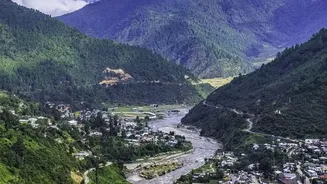
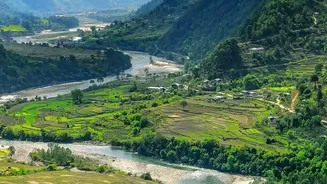
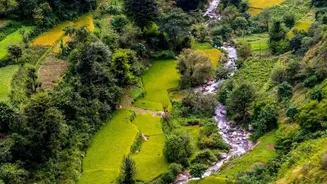
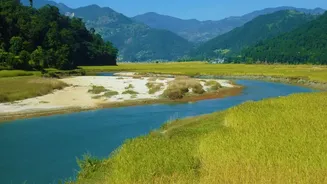
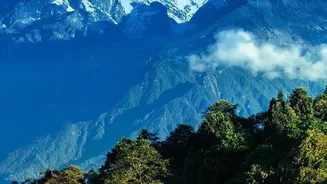
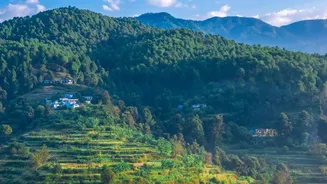
Your journey begins in the serene Dirang valley in West Kameng. Situated at a lower altitude than what’s to come, it's the perfect place to acclimatize. The town is cradled by green hills and dissected by the Kameng River. Key attractions include the Dirang Monastery (Thupsung Dhargye Ling), the historic Dirang Dzong, and the natural hot springs located about a kilometre from the main town, believed to have medicinal properties. Many travellers also visit the lush and peaceful Sangti Valley, about 14 km away, known for its fruit orchards and picturesque landscapes. Spending a night here is crucial to prepare your body for the higher altitudes ahead.
The Dramatic Ascent to Sela Pass
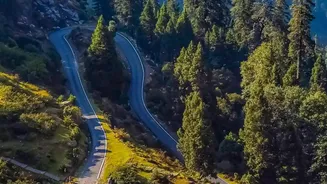
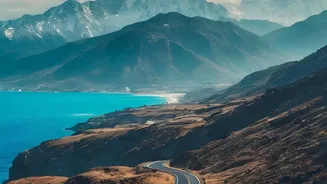
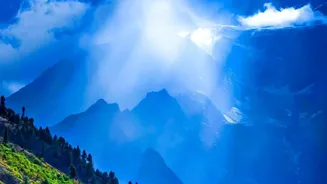
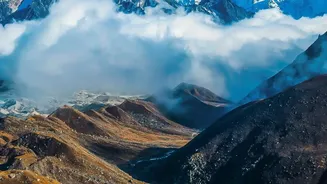
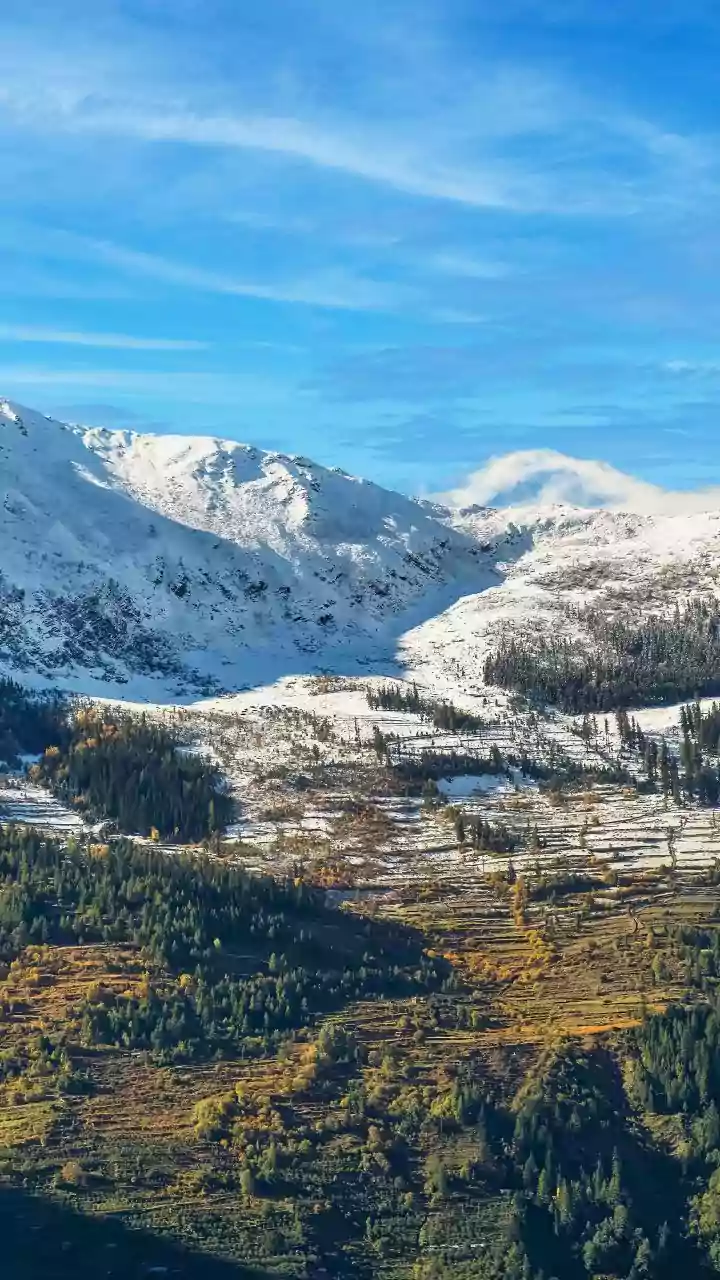
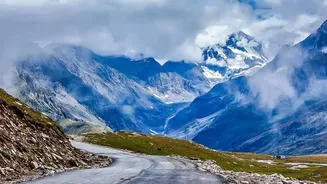
The drive from Dirang to Tawang is one of India's most scenic routes, and its centrepiece is the formidable Sela Pass. Situated at an altitude of 13,700 feet, this pass is the gateway to the Tawang district. The air grows colder and the landscape more dramatic as you ascend. At the summit, you are greeted by the stunning, often partially frozen, Sela Lake, considered sacred by the local Monpa tribe. The pass offers breathtaking panoramic views of the surrounding snow-capped peaks. While the new Sela Tunnel now bypasses the pass to ensure year-round connectivity, driving over the pass itself (weather permitting) remains an unforgettable experience.
History and Nature Intertwined
Continuing from Sela Pass, the route descends towards Tawang, punctuated by sites of historical and natural significance. A mandatory stop is the Jaswant Garh War Memorial, dedicated to the bravery of Rifleman Jaswant Singh Rawat, a hero of the 1962 Indo-China war. A little further on, the Nuranang Falls, also known as Jang Falls, cascade down from a height of about 100 meters. This powerful waterfall, set against a backdrop of lush greenery, provides a moment of awe and a perfect photo opportunity before you reach the main town of Tawang.
Tawang: A Sanctuary in the Clouds
Tawang, at an altitude of around 10,000 feet, is a crucial hub on this journey. It is home to the Tawang Monastery, the largest monastery in India and a vital centre of Tibetan Buddhism. Before pushing onwards to Mago, spending a day or two in Tawang is essential for further acclimatization and to soak in the spiritual atmosphere. You can explore the monastery, visit the Tawang War Memorial, and wander through the local market. Tawang serves as the last major town where you can stock up on supplies and make final checks before venturing into the more remote Mago region.
The Final Frontier to Mago
The stretch from Tawang to Mago is where the real adventure begins. The 85-km drive takes four to five hours on a rugged, single-lane road that winds through a narrow gorge alongside the Mago Chu river. Mago is a remote village at over 11,500 feet, inhabited by the Monpa community, whose main livelihood is yak herding. The main attraction here is the cluster of natural hot springs on the banks of the Goshu Chu river, where you can soak in warm, clear water surrounded by Himalayan ridgelines. This isn't a tourist resort; facilities are minimal, which is precisely its charm. It is an untouched, raw Himalayan outpost at the edge of India, offering a profound sense of isolation and peace.