







What is Urolithin A?
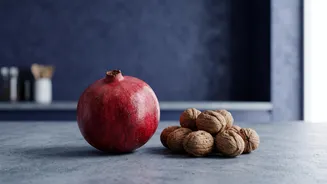
Urolithin A is not a substance you eat directly. Instead, it's a metabolite produced by your gut bacteria when they break down compounds called ellagitannins. These precursors are found in a variety of foods, most notably pomegranates, but also in walnuts,
almonds, raspberries, and strawberries. Interestingly, not everyone's body can produce urolithin A efficiently. Studies suggest that only about 40% of people have the specific gut microbiome composition needed to convert these food compounds into meaningful amounts of urolithin A. This variability is why the compound has gained interest both for its natural origins and as a potential direct supplement.
The Heart of the Matter: Cardiac Scarring
To understand the study's significance, it's important to know about cardiac scarring, also known as myocardial fibrosis. This condition is the formation of stiff scar tissue in the heart muscle, often as a result of injury from a heart attack, chronic high blood pressure, diabetes, or aging. While scarring is a natural part of the body's healing process, this new tissue isn't like healthy heart muscle; it's stiff and lacks the ability to contract properly. This stiffness can impair the heart's ability to relax between beats and fill with blood, a condition called heart failure with preserved ejection fraction (HFpEF). HFpEF accounts for about half of all heart failure cases and currently has very limited treatment options.
What the King's College Study Found
Researchers at King's College London investigated the effect of urolithin A on HFpEF. Their study, conducted on animal models and engineered human heart tissue, yielded promising results. They found that treatment with urolithin A helped the stiff heart tissue relax more effectively and reduced harmful fibrosis, or scarring. In animal models, the compound improved measures of heart function by as much as 80% compared to untreated models. The compound also appeared to prevent the harmful enlargement of heart muscle cells that often accompanies this type of heart failure. These findings suggest that urolithin A targets the core issues of stiffness and scarring that make this form of heart failure so challenging to manage.
From Lab to Clinic: The Next Steps
While the results are exciting, the researchers are quick to emphasize that this is early-stage research. The benefits have so far only been observed in laboratory settings—in animals and engineered human tissues. The crucial next step is to conduct clinical trials involving human patients to see if urolithin A is both safe and effective for treating HFpEF. As Professor James Leiper of the British Heart Foundation, which funded the study, noted, these trials are essential before the compound can be considered a viable treatment for patients. The study identifies a new potential pathway for treatment, but it's a long road from a lab discovery to a widely available medicine.
Should You Start Eating More Pomegranates?
The natural question is whether you should increase your intake of pomegranates and walnuts to boost your heart health. While a healthy, balanced diet rich in fruits and vegetables is always recommended for cardiovascular wellness, experts caution against viewing these foods as a direct treatment for heart failure based on this study alone. Given that a majority of people may not even produce urolithin A from their diet, simply eating more pomegranates is not a guaranteed way to achieve the effects seen in the lab. The research paves the way for a potential new therapeutic approach, which may eventually involve a targeted supplement, rather than just dietary changes. For now, a balanced diet remains one of the best tools for supporting heart health.