




What is V2V Technology?
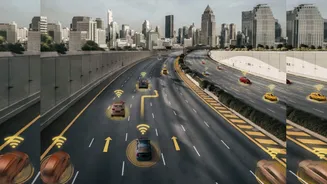
At its heart, Vehicle-to-Vehicle (V2V) technology allows cars to 'talk' to each other. Think of it as a local, wireless network just for vehicles on the road. Using a dedicated communication channel, V2V-equipped cars, trucks, and even two-wheelers can
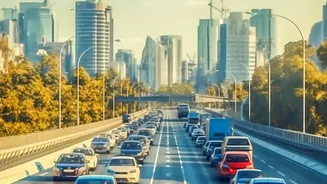
continuously broadcast small packets of data. This information includes their speed, position, direction, and braking status. Nearby vehicles receive these messages in milliseconds, creating a 360-degree awareness of the immediate traffic environment. The key difference from existing systems like cameras and radar is that V2V isn't limited by line of sight. It can 'see' around corners, through other vehicles, and past obstacles, warning a driver about a hazard long before it becomes visible.
The Government's New Mandate
The latest drive comes from a draft notification by the Ministry of Road Transport and Highways (MoRTH). The proposal mandates that all new vehicles manufactured from October 1, 2028—including two-wheelers (Category L), passenger vehicles (Category M), and goods vehicles (Category N)—must be equipped with V2V communication systems. This move follows a phased approach, with a transition period starting in October 2027 where any voluntarily installed V2V systems must comply with the new Automotive Industry Standard, AIS-230. The government's goal is to shift from reactive safety measures (like airbags) to a proactive, network-based system that actively prevents accidents before they happen.
How It Warns About Road Hazards
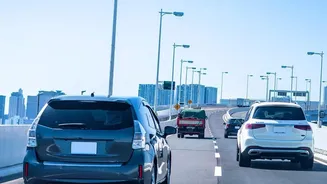
V2V technology is specifically designed to address common and high-risk scenarios on Indian roads. For instance, if a car several vehicles ahead on a highway brakes suddenly, its V2V system will instantly transmit an emergency braking alert. Vehicles behind, even those whose drivers cannot see the incident, will receive the warning, giving them crucial extra seconds to slow down. Other applications include forward collision warnings, alerts for unsafe lane changes, and notifications about vehicles driving the wrong way. The system can also warn of approaching emergency vehicles, allowing drivers to clear a path sooner. This is all enabled by Cellular Vehicle-to-Everything (C-V2X) technology operating on a specific frequency band that has been de-licensed for this purpose, ensuring reliable communication without depending on public mobile networks.
A Leap Beyond Current Safety Tech
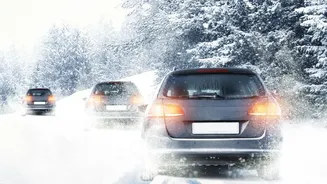
Many modern cars already come with Advanced Driver Assistance Systems (ADAS), which use cameras and radar for features like autonomous emergency braking. While useful, ADAS is limited to what its sensors can physically see. A large truck, heavy fog, or a sharp curve can easily block its view. V2V complements ADAS by providing data from beyond the vehicle's own sensor range. By getting a warning directly from the source of the danger—another vehicle—the system can react faster and more reliably. The government sees V2V not as a replacement for ADAS, but as a critical additional layer of safety that will work in tandem with existing systems.
Challenges on the Road Ahead
Despite its immense potential, the path to a fully connected vehicle ecosystem has its hurdles. The most significant challenge is the transition period. The benefits of V2V increase exponentially with the number of equipped vehicles on the road. For the first several years, new 'talking' cars will share the road with millions of older, non-connected vehicles. This means that onboard sensors like cameras and radar will remain essential for detecting these silent road users. Another major consideration is cost. Mandating this hardware will inevitably increase the production cost of vehicles, a factor manufacturers will need to manage, especially for entry-level models. Finally, ensuring seamless, secure, and standardized communication between vehicles from different manufacturers is a complex technical and regulatory challenge that the AIS-230 standard aims to address.