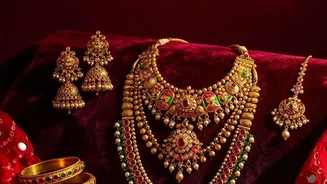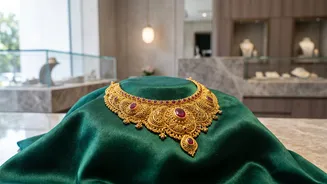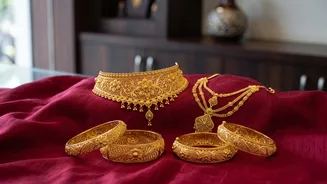




The Indian wedding season is in full swing, but this year, it comes with a significant financial puzzle. Volatile prices for gold and silver are forcing families to ask tough questions about how to manage the most essential part of the budget.
A Look at the Current Numbers
As of mid-November
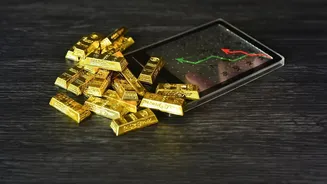
2026, precious metal rates are a mixed bag, creating confusion for buyers. On November 18, reports showed a sharp dip, with 24-carat gold falling to around ₹1,33,000 per 10 grams on the MCX. This followed a period where prices were considerably higher, hovering closer to ₹1,44,600 per 10 grams just a week earlier on November 10. Silver has been even more volatile, with prices per kilogram quoted at around ₹2,04,900 on November 10 before crashing to nearly ₹1,64,309 on November 18. While any price drop feels like a relief, these rates are still significantly higher than they were during last year's festive season. This leaves families in a difficult position: is the recent dip a buying opportunity, or a sign of more turbulence to come?
Rethinking the Bridal Budget
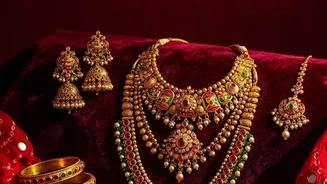
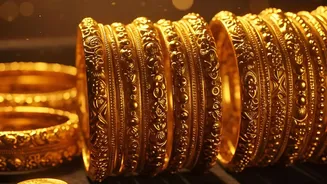
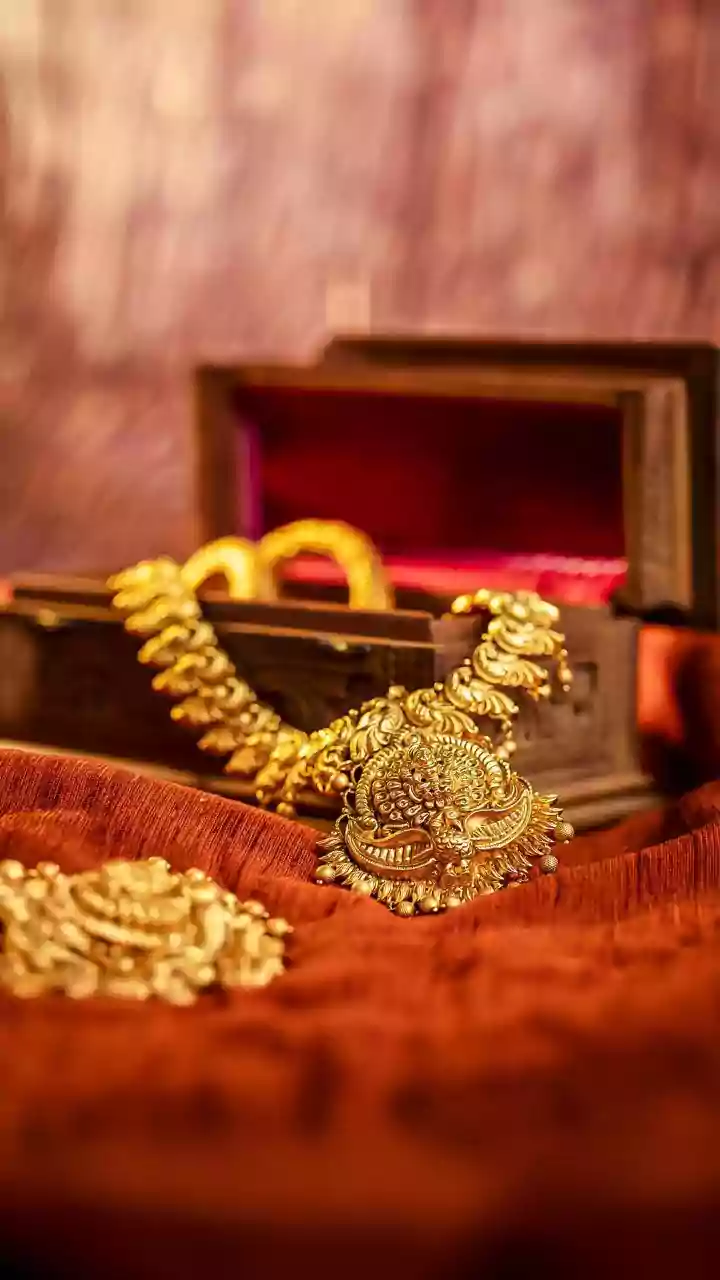
The high cost of gold is forcing a major shift in how families approach wedding jewellery. Many are spending more money to acquire fewer grams. Instead of focusing on multiple heavy sets, the trend is moving towards prioritising one or two magnificent pieces for the main ceremony and opting for lighter, more versatile items for other functions. Financial experts and jewellers suggest allocating a clear budget in grams before even entering a store. This prevents being swayed by designs and helps maintain financial discipline. Another popular strategy is exchanging old or inherited gold, which can significantly offset the cost of new purchases, especially when jewellers offer special schemes with up to 100% value on exchanges during the wedding season.
Smart Shopping Strategies
Navigating the market requires more than just tracking daily rates. One of the most effective strategies is to split your purchases. Instead of buying all the jewellery at once, experts recommend buying a portion now to lock in the current price and purchasing the rest later. This 'averaging' strategy protects you from the risk of a sudden price surge. When buying, always insist on BIS hallmarked jewellery with the six-digit HUID code to ensure purity. It is also crucial to compare making charges, which can range from 8% to over 25%, across at least three different jewellers, as this is often a negotiable part of the final bill.
Exploring Modern Alternatives
Tradition is paramount, but modern solutions can help manage soaring costs. For pieces where durability is key, like rings or diamond-studded items, 18-karat gold is a practical and more affordable choice than the traditional 22-karat used for bridal sets. Many are also turning to versatile or detachable jewellery that can be worn long after the wedding functions are over. For secondary events like the Sangeet or Mehendi, high-quality imitation jewellery has become a popular and sensible choice. It allows for a grand look without the associated cost, freeing up the budget for the all-important wedding day gold. Additionally, silver, despite its own price volatility, remains a more affordable option for extensive gifting.