





India’s Prime Dolphin Habitats
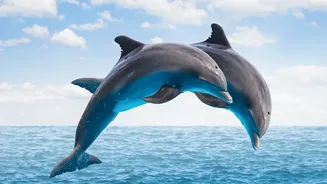
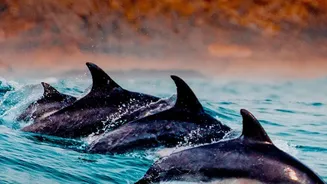
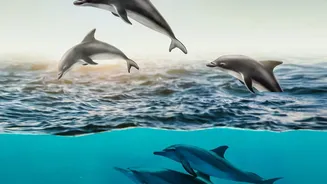
India is one of the few places in the world where you can see both marine and freshwater dolphins. Along the coast, the Arabian Sea is a playground for species like the Indo-Pacific humpback dolphin. Popular hotspots include several beaches in Goa, such
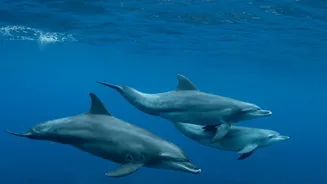
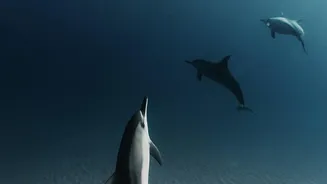
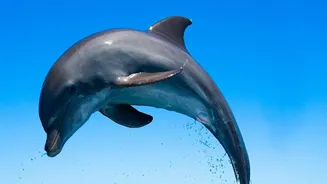
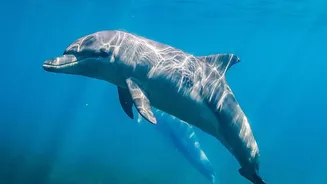
as Sinquerim, Palolem, and Morjim, where boat trips are a staple tourist activity. The waters off Maharashtra, particularly around Tarkarli, also offer frequent sightings. Further afield, the turquoise lagoons of the Andaman & Nicobar and Lakshadweep islands are home to spinner and bottlenose dolphins, often seen in the clear, open waters. Inland, India provides sanctuary to some of the world's rarest freshwater dolphins. The Vikramshila Gangetic Dolphin Sanctuary in Bihar is a protected stretch of the Ganga river, created for the endangered Gangetic river dolphin. This species, which is functionally blind and navigates using echolocation, can also be spotted in the river's tributaries. In Odisha, the famous Chilika Lake is Asia's largest brackish water lagoon and a critical habitat for the rare Irrawaddy dolphin, easily recognized by its rounded forehead.
Timing Your Trip for a Perfect Sighting
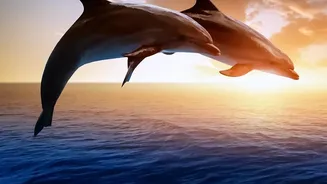
Seasonality is perhaps the single most important factor for a successful dolphin-watching trip. For marine dolphins along the west coast, including Goa and Maharashtra, the best period is from October/November to May. This window avoids the turbulent monsoon season, offering calmer seas and clearer skies, which dramatically improve visibility. For freshwater dolphins, the timing is similar. In the Ganga and its tributaries, sightings of the Gangetic dolphin are most reliable between October and March. During this post-monsoon, pre-summer period, water levels are lower and the sediment has settled, improving visibility. Similarly, the prime time to visit Chilika Lake in Odisha for Irrawaddy dolphins and a host of migratory birds is from November to February, when the weather is cool and pleasant. Across all locations, early morning is consistently cited as the best time of day. The water is generally calmer at dawn, and dolphins are often at their most active, engaging in feeding and playful behaviour close to the surface.
How Water Conditions Play a Role
Beyond the season, daily water conditions have a significant impact. Calm, clear water is always preferable, as it makes spotting dolphins much easier. Dolphins are sensitive creatures, attuned to changes in their environment, including water temperature, salinity, and even barometric pressure, which can signal approaching storms. Stormy weather and rough seas often cause dolphins to move to deeper, safer waters, making them much harder to find. The turbidity of the water also matters. In rivers like the Ganga, dolphin sightings are better during the dry winter season because the reduced water flow leads to less suspended silt, making the typically murky water clearer. After heavy rains, river waters are often muddy and turbulent, reducing visibility for both the dolphins and the watchers. In coastal areas, tide levels can influence where dolphins feed, and experienced local boatmen often have an intuitive understanding of how tides and currents affect dolphin movements, guiding their tours accordingly.
Choosing an Ethical and Responsible Operator
The rise in dolphin tourism has put pressure on these intelligent animals. A recent study in Goa noted that dolphins socialised and foraged less when tourist boats were present. Therefore, choosing a responsible tour operator is not just an ethical choice but also often leads to a better and more meaningful experience. Unregulated operators sometimes engage in harmful practices like chasing dolphins, driving head-on into a pod, or crowding the animals with too many boats to guarantee a sighting, sometimes driven by a 'no dolphin, no payment' policy. A responsible operator will follow established guidelines. These include maintaining a safe distance (typically 50-100 metres), approaching the animals slowly and from the side rather than head-on, limiting viewing time to around 20 minutes, and never separating a mother from her calf. Some ethical tour providers turn off their boat engines when near a pod to minimise disturbance. When booking a tour, ask about their operational guidelines. Operators who focus on a holistic experience, pointing out other marine life and educating guests about the ecosystem, are often a more sustainable choice.