




The International Energy Agency (IEA) is sounding the alarm over global energy security, with a sharp focus on the world's most critical oil chokepoint: the Strait of Hormuz. Here’s what you need to know about the risks and why they matter to everyone.
The Core of the IEA’s Warning
The International Energy Agency has warned that global energy markets remain fragile and will not return to pre-crisis stability before 2028. IEA Executive Director Fatih Birol recently highlighted that ongoing geopolitical tensions mean the Strait of Hormuz could face severe disruptions again, leaving the world 'on thin ice'. The agency points to several overlapping crises, including depleted global oil inventories, tight markets for refined products like diesel, and persistent security threats in the Middle East. This follows a period of major disruption that began in early 2026, which saw Iran effectively close the strait in response to conflict, triggering a massive shock to energy markets. The IEA has coordinated a historic release of emergency oil stocks to stabilize the market but warns that these reserves are finite and risks remain high.
What is the Strait of Hormuz?
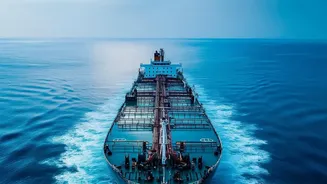
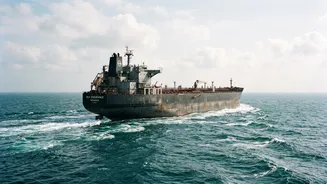
The Strait of Hormuz is a narrow sea passage that connects the Persian Gulf with the Gulf of Oman and the open ocean. At its narrowest point, it is only about 34 kilometres wide, separating Iran from Oman. Its strategic importance cannot be overstated. Before the 2026 crisis, about a fifth of the world's total oil consumption passed through this waterway daily, alongside a significant portion of the world's liquefied natural gas (LNG). It is the primary export route for major producers like Saudi Arabia, Iraq, the UAE, and Kuwait. While some bypass pipelines exist, their capacity is a fraction of what the strait can handle, making maritime transit indispensable.
The Nature of the Risks
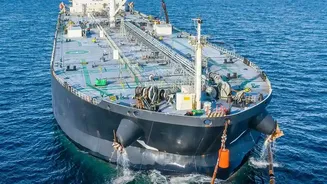
The risks surrounding the Strait of Hormuz are multifaceted. The primary threat is geopolitical conflict. Since early 2026, the region has seen an escalation in military activity, including direct attacks on tankers, the use of sea mines, and intense surveillance by Iranian forces. Maritime security firms have classified the threat level in the strait as 'severe', meaning hostile action is considered highly likely. This creates a de facto closure, as even when the strait is not legally closed, the danger is so high that many commercial vessels will not risk passage. This leads to skyrocketing insurance premiums for war risk, which can make voyages economically unviable and has forced many ships to halt operations or take much longer, more expensive routes.
Why This Chokepoint Matters to India
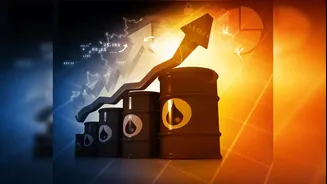
For India, the stability of the Strait of Hormuz is a matter of profound national and economic security. As the world's third-largest oil consumer, India imports approximately 85% of its crude oil needs. A significant portion of these imports, historically between 55-65%, originates from the Gulf region and must transit through the strait. Any disruption directly threatens India’s energy supply lines. A blockage or even a slowdown in traffic leads to higher crude oil prices globally. This, in turn, translates directly into higher prices for petrol and diesel at home, stoking inflation and impacting household budgets and transportation costs. Though India has diversified its oil sources recently, Gulf crude remains vital due to its competitive pricing and the shorter shipping times to Indian refineries, which are configured to process it.
The Broader Economic Ripple Effect
The impact of a Hormuz disruption goes far beyond fuel prices. Energy is a fundamental input for almost every sector of the economy, from manufacturing and agriculture to services. Higher energy costs increase operational expenses for businesses, which are often passed on to consumers. Furthermore, the strait is a crucial artery for other goods, including about a third of the world's traded fertilizers. A sustained closure can therefore impact global food security. The IEA's warning underscores a new era of energy insecurity where geopolitical events in a single narrow waterway can trigger a cascade of economic consequences worldwide, affecting everything from global supply chains to the cost of living in India.