


A Revolution in a Rocket
World Space Week, held annually from October 4-10, commemorates key moments in space history: the launch of Sputnik 1 and the signing of the Outer Space Treaty. Coordinated by the United Nations and the World Space Week Association, its goal is to highlight
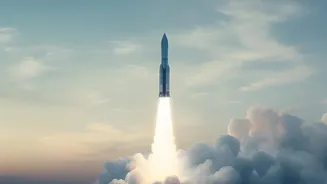
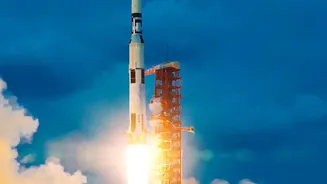
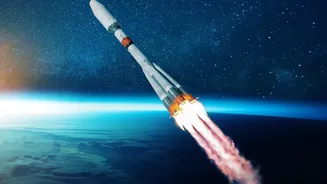
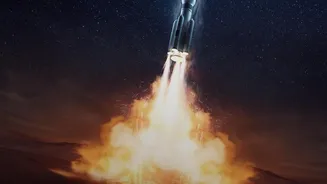
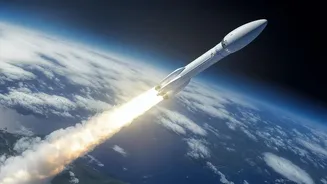
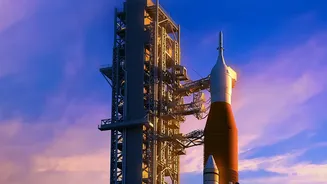
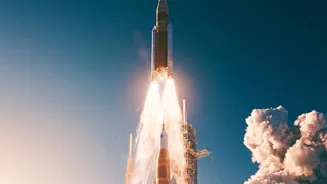
how space contributes to the betterment of the human condition. The 2026 theme, 'Rocket Revolution', spotlights the seismic changes in launch technology. For decades, space was the exclusive domain of a few powerful governments. Getting anything into orbit was prohibitively expensive. That picture is now rapidly changing, thanks to innovations like reusable rockets and the rise of private space companies. This isn't just about bigger rockets; it's about a fundamental shift in frequency and cost that is democratizing space.
Breaking Down the Cost Barrier
The high cost of launches has long been the primary factor limiting what we can do in space. Every kilogram sent into orbit was meticulously planned because it was incredibly expensive. Reusable rockets, pioneered by companies like SpaceX, have been a game-changer. By recovering and reflying the most expensive parts of the rocket, the cost per launch has plummeted. This has a ripple effect. When launch costs are lower, satellites don't need to be engineered with the same extreme, weight-saving measures, which also lowers their production cost. This allows for more experimentation, greater redundancy, and the deployment of large satellite constellations that were once economically unfeasible. The result is a positive feedback loop: more launches lead to more innovation and even lower costs.
India's Ascent as a Space Power
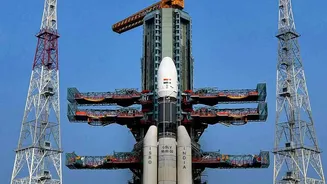
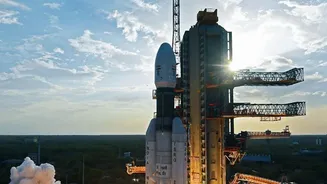
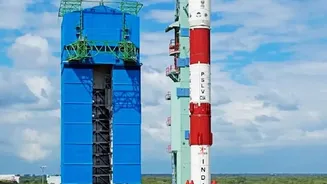
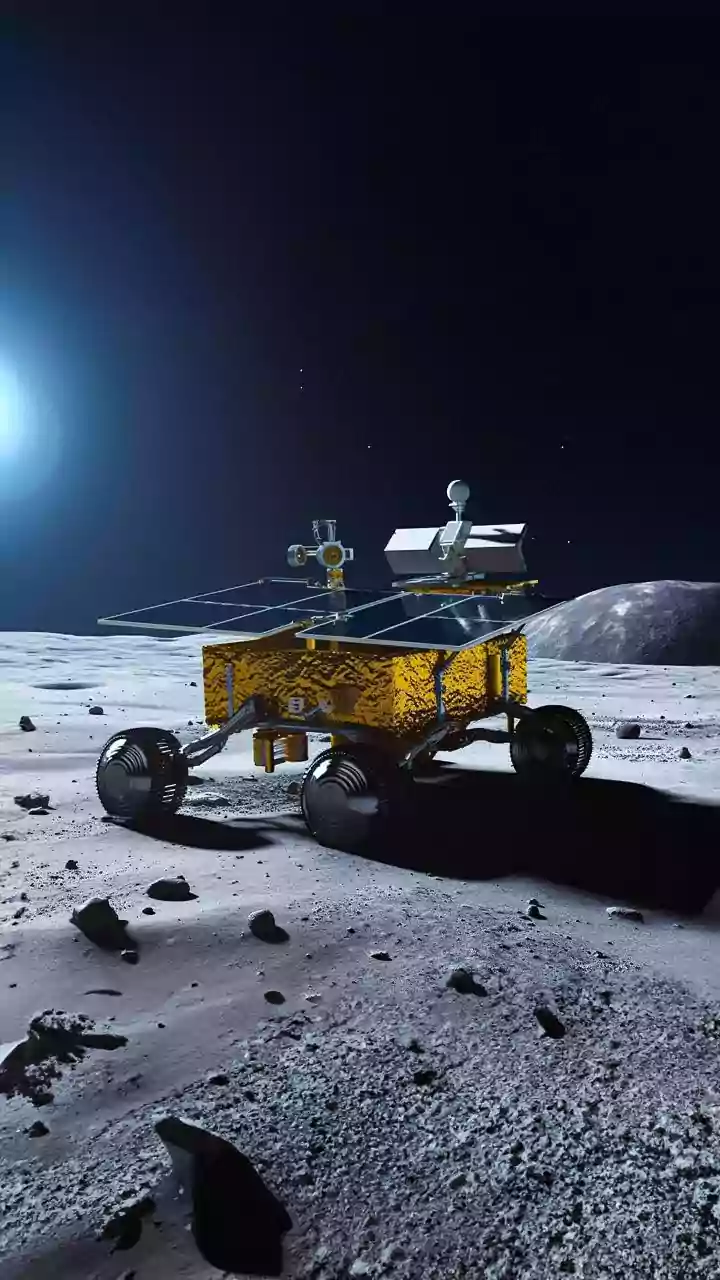
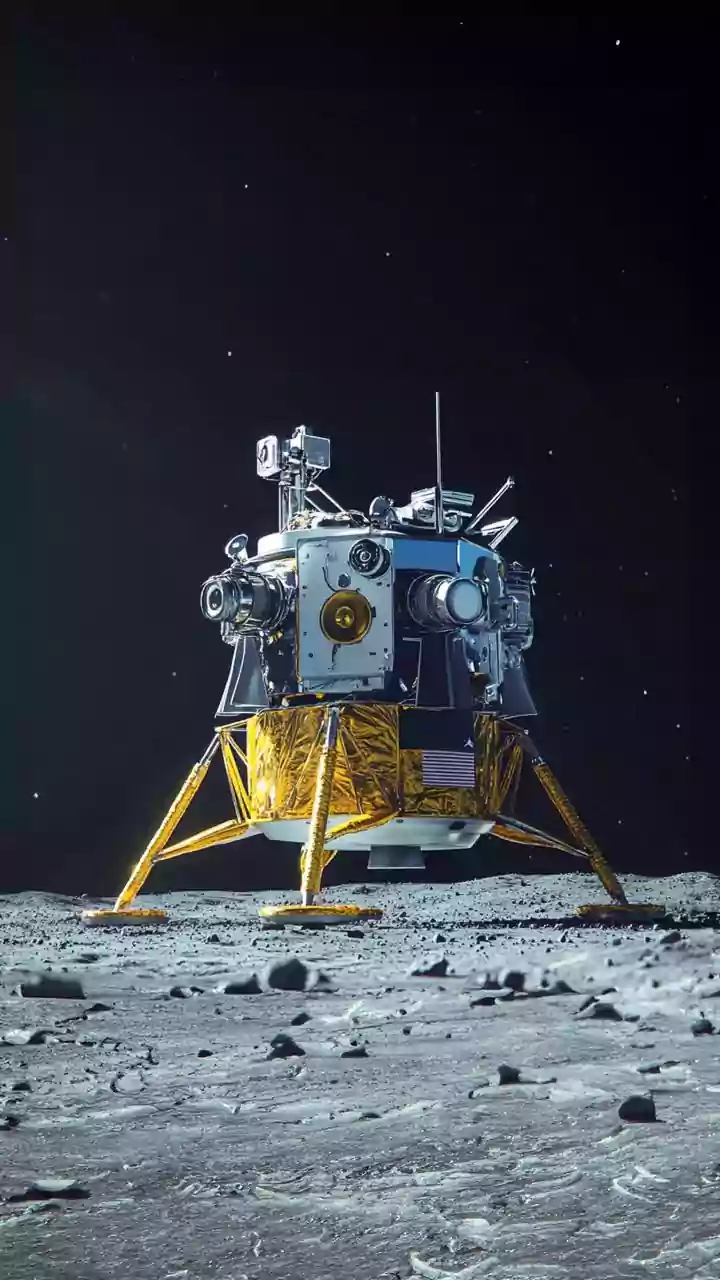
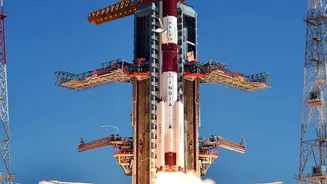
India is at the forefront of this affordable space revolution. Renowned for its cost-effective missions like the Mars Orbiter Mission (Mangalyaan) and the Chandrayaan-3 lunar landing, ISRO has built a global reputation for delivering high-tech results on a budget. India's PSLV rockets have become a go-to choice for international clients looking to launch satellites affordably. The government’s decision to open the sector to private enterprise in 2020 has supercharged this growth. Today, India is home to hundreds of space-tech startups like Skyroot Aerospace, Dhruva Space, and Pixxel, working on everything from launch vehicles to satellite data analysis. With bodies like IN-SPACe facilitating private participation, India aims to grow its share of the global space economy from 2-3% to 8% by 2033.
From Orbit to Everyday Life
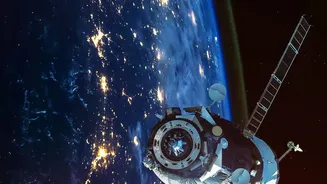
So, what does cheaper space access actually mean for people on the ground? It means more robust and widespread services that we increasingly rely on. Think better and more accessible satellite internet, especially in remote areas where terrestrial infrastructure is lacking. It means more Earth observation satellites monitoring climate change, tracking deforestation, managing natural disasters like floods and wildfires, and even helping farmers optimize crop yields. Enhanced GPS and navigation services, more accurate weather forecasting, and new innovations in telecommunications are all direct benefits of having more 'eyes' in the sky. This revolution isn't just happening in orbit; its impact will be felt directly in our daily lives.
The Challenges on the Launchpad
While the future of affordable space access looks bright, it's not without its challenges. The dramatic increase in launches and satellites brings a new set of problems, chiefly the growing issue of space debris. A more crowded orbit increases the risk of collisions, which could endanger functional satellites and future missions. There are also important conversations to be had around the sustainable and equitable use of space, ensuring that it benefits all of humanity. As more commercial and national players enter the field, establishing clear international norms and regulations for responsible behaviour in space will be crucial to ensuring its long-term viability as a shared resource.