






A New Champion Is Crowned
South Korea's Incheon International Airport (ICN) has officially become the world's busiest hub for international passenger traffic for the first time in its history. According to preliminary figures from Airports Council International (ACI) for the first half
of 2026, Incheon handled approximately 38.4 million international passengers. This achievement pushes it ahead of London's Heathrow, which saw 37.79 million passengers, and Singapore's Changi Airport, with 34.53 million. The ascent is a landmark moment for an airport that only opened in 2001 and has steadily climbed the ranks, moving from 13th in 2025 to the top spot. This reshuffles a hierarchy long dominated by Dubai International Airport (DXB), which held the top position for years but is now expected to fall out of the top five due to recent events.
How Geopolitics Redrew the Flight Path
A significant factor behind this dramatic shift is geopolitical tension in the Middle East. Following conflict involving Iran, passenger traffic at major Middle Eastern hubs, particularly Dubai, saw a sharp decline. This disruption caused airlines and travellers to seek alternative routes for crucial Europe-Asia connections. Incheon emerged as a primary beneficiary of this rerouting. The airport saw its number of transit passengers surge by over 18% in the first half of 2026 compared to the previous year. The increase was especially pronounced on European routes, where connecting passengers jumped by a staggering 63.2%, demonstrating Incheon's growing role as a stable and reliable interchange in a turbulent world.
The Incheon Advantage: Strategy and Growth
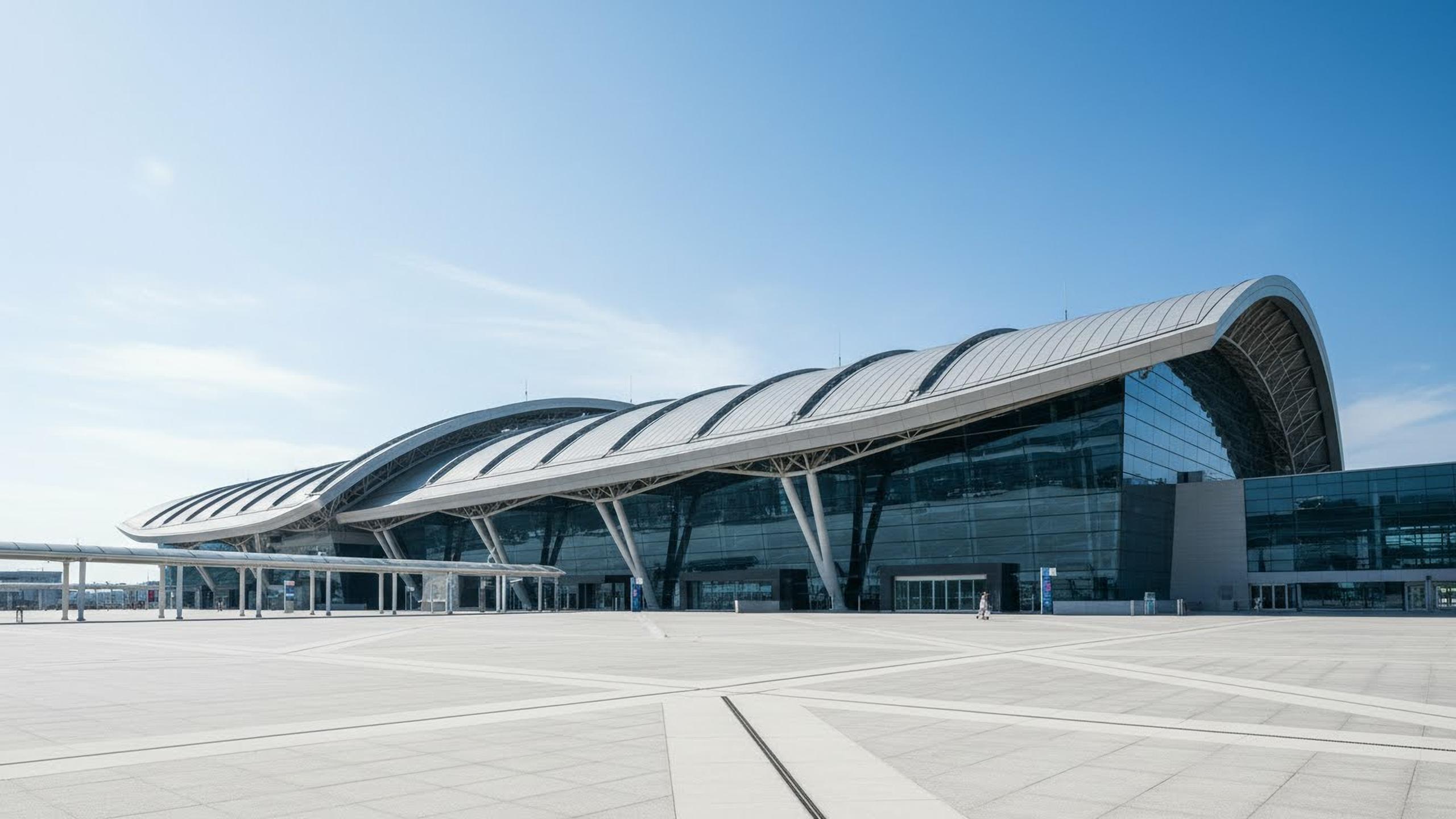
Incheon's rise isn't just a matter of circumstance. It's the result of a long-term national strategy to develop the airport into a premier Northeast Asian gateway. The South Korean government has consistently supported its growth through massive infrastructure investment. A recently completed fourth-phase expansion project boosted Incheon's annual capacity to 106 million passengers, making its infrastructure the third largest in the world. This readiness allowed it to absorb the sudden influx of traffic. Furthermore, South Korea's own booming tourism industry has provided a powerful boost. A growing interest in Korean culture, particularly from nearby countries like China and Japan, has led to a record proportion of foreign nationals passing through the airport.
What Happened to the Old Guard?
For over a decade, the conversation about the top international airport revolved almost exclusively around Dubai (DXB). Its strategic location and massive investment in Emirates airline made it the undisputed king of global transit. Before Dubai's reign, London's Heathrow (LHR) held the crown for many years. However, recent events have shown how quickly the landscape can change. While Heathrow remains a formidable player, securing the second spot in the latest rankings, Dubai's traffic was significantly impacted by regional instability, causing it to lose its long-held lead. The situation underscores a new reality in global aviation: leadership is no longer guaranteed by past performance but by adaptability, strategic location, and the ability to offer a reliable alternative when other routes are disrupted.
A Barometer for Global Shifts
The list of busiest airports is more than just a ranking; it's a real-time indicator of economic and cultural currents. Incheon's rise to the top signifies a broader trend: the continued eastward shift of the world's economic center of gravity. As Asian markets grow in wealth and influence, their airports are becoming increasingly central to global travel networks. This change reflects not just where people are flying from, but where they are flying to and through. With its state-of-the-art facilities, extensive network, and growing reputation as a destination in its own right, Incheon is perfectly positioned to capitalize on this long-term trend. The airport's success is a blueprint for how strategic planning and cultural appeal can combine to create a world-leading transportation hub.