



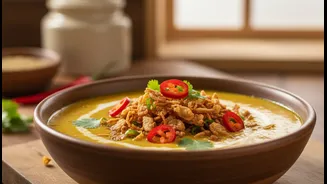



A Taste of Sunshine on a Plate
Lemon rice is more than just a quick meal; it's a culinary staple across South India for good reason. It’s a go-to dish for tiffin boxes, a comforting travel meal, and a common 'prasadam' (temple offering) because it’s delicious served warm or at room
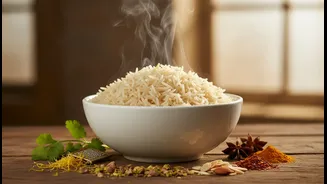
temperature. The beauty of lemon rice lies in its balance. It’s tangy, savoury, and aromatic, with a delightful mix of textures from crunchy nuts and soft rice. Basmati rice is an excellent choice for this dish; its long, slender grains tend to remain separate and fluffy, absorbing the bright flavours without becoming mushy or heavy. While Sona Masoori is also a traditional choice, basmati provides a wonderful lightness that aligns perfectly with the dish's character.
The Foundation of Flavour
The magic of an uncomplicated dish like lemon rice rests on the quality of its core components. First, the rice itself should be cooked perfectly. Many experts suggest using leftover, day-old rice because it's drier and less likely to clump. If you're cooking fresh rice, ensure it's not overcooked; the grains should be tender but distinct. Spread it on a plate to cool completely before mixing, which prevents the grains from breaking and turning sticky. Next, fresh lemon juice is non-negotiable. Bottled juice can impart a dull, sometimes bitter flavour. Finally, the assortment of spices for tempering, or the 'tadka', is what builds the dish’s aromatic foundation.
The Tempering Touch
The 'tadka' is the soul of lemon rice. This quick-frying of spices in hot oil blooms their essential oils, releasing a wave of aroma and flavour that defines the dish. Start by heating gingelly (sesame) or another neutral oil in a pan. The sequence is important. First, add peanuts and sauté until golden and crunchy, then set them aside. In the same oil, add mustard seeds and wait for them to splutter. This is followed by lentils like chana dal and urad dal, which are fried until they turn a light golden brown, adding a nutty crunch. Finally, add fresh curry leaves, green chillies for a bit of heat, and a pinch of asafoetida (hing) for its unique umami-like depth. A generous pinch of turmeric powder gives the rice its iconic, sunny yellow colour.
Bringing It All Together
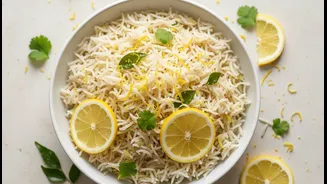
Once the tempering is fragrant, the final assembly is simple. Turn off the heat before adding the lemon juice. This is a crucial step; cooking lemon juice can make the entire dish bitter. Add the salt and fresh lemon juice to the tempering mixture in the pan, give it a quick stir, and then pour this flavourful oil over your cooled, fluffed rice. Gently fold the tempering through the rice until every grain is evenly coated in the yellow, spiced oil. Be careful not to stir too vigorously, as this can break the basmati grains. Mix in the roasted peanuts you set aside earlier, along with fresh coriander for a final burst of freshness. Let the rice sit for about ten minutes to allow the flavours to meld together beautifully.
Secrets to Success
To elevate your lemon rice from good to great, keep these tips in mind. First, always rinse your rice thoroughly before cooking to remove excess starch, which is a primary cause of stickiness. Second, be mindful of the lemon-to-rice ratio; too much lemon juice can make the dish overwhelmingly sour. Start with less and add more to taste at the end. Third, a tiny pinch of sugar can help balance the tanginess of the lemon and enhance the other flavours. Lastly, don't be afraid to adjust. If you like more crunch, add more peanuts or even cashews. For more heat, slit the green chillies instead of chopping them. This dish is forgiving and easily adapted to your personal preference.