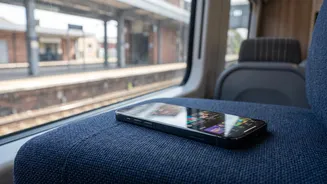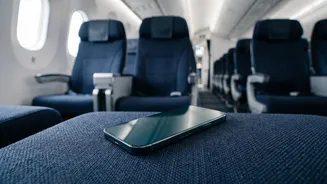





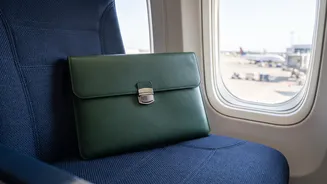
It’s a sinking feeling: the moment you realise your wallet, phone, or favourite jacket is still on the plane, train, or cab you just left. Before panic sets in, take a breath. There are clear steps you can take to increase your chances of recovery.
Act Fast, Time Is Critical
The
single most important factor in recovering a lost item is speed. The sooner you report it, the higher your chances of seeing it again. Cleaning crews work quickly after a plane lands or a train reaches its final destination. An item left in a cab can be found by the next passenger. As soon as you notice something is missing, your priority is to contact the right people immediately. Don't wait until you get home. The window for easy recovery is often very short, so making a call or filling out a form within the first hour is crucial. This is especially true for items left at airport security or in the terminal, which are handled separately from items left on an aircraft.
On an Airplane: Contact the Airline
If you left something on a plane, the airline is your first port of call. Most airlines have a dedicated 'Lost and Found' or 'Baggage Services' department with a specific online form for you to fill out. It’s vital to distinguish between items left on the plane versus in the airport terminal. Items found on the aircraft are handled by the airline's ground staff, while items left in the terminal (like at a security checkpoint or gate) are handled by the airport authority's lost and found. When you file a report, be prepared with your flight number, seat number, date of travel, and a very detailed description of the item. Include the brand, colour, size, and any unique identifying marks. For electronics, a serial number is extremely helpful. Keep your boarding pass, as it contains most of this information and serves as proof of travel.
On a Train: Use Railway Helplines
For belongings left on an Indian Railways train, you have a few effective options. The quickest method is to call the railway helpline at 139. You will need to provide your PNR number, coach and seat details, and a description of the missing item. Officials can then alert staff at the next station to search your coach. Alternatively, you can use the 'RailMadad' app to file a grievance. This creates a formal complaint that you can track. You can also approach the station master or the Railway Protection Force (RPF) at the station where you got off. They can coordinate with staff along the train's route. Putting a tag with your name and phone number on your luggage can significantly help officials contact you if it's found.
In a Cab or Ride-Share: Use the App
If you've left something in an Uber or Ola, the app is your best friend. Both services have a feature in your trip history to contact the driver directly about a lost item. This is the fastest way to arrange a return. The app anonymises your phone number to protect both your privacy and the driver's. If the driver doesn't answer, don't give up. You can then escalate the issue through the app's customer support. File a formal report within the app's 'lost and found' section, providing all the trip and item details. Uber notes that while they will facilitate contact, drivers are independent contractors, and the company is not ultimately responsible for lost items.
Prevention Is the Best Strategy
The easiest way to avoid this stress is to not lose things in the first place. Develop a routine before you deboard any transport. Do a final sweep of your seat, the overhead bin, and the seatback pocket. For small, essential items like your phone, wallet, and passport, create a 'kit' and always keep them in the same designated pocket or bag. Consider using brightly coloured pouches or tags for your important items, as they are easier to spot than standard black or grey cases. For high value items, a small Bluetooth tracker like a Tile or AirTag can be a lifesaver, allowing you to see your item's last known location on a map. Finally, before leaving your hotel or home, pack only what is necessary to minimise the number of things you have to keep track of.