




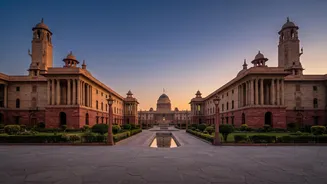
A Vision of Practical Cooperation
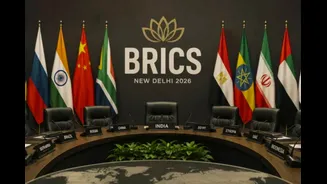
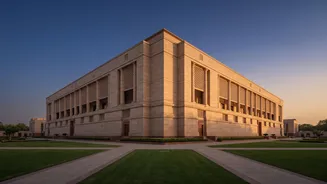
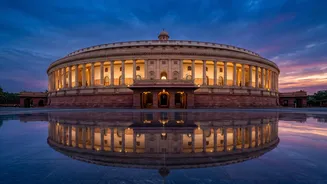
Hosted by India, the 2026 summit is anchored in the theme “Building for Resilience, Innovation, Cooperation and Sustainability”. This isn't just diplomatic jargon; it signals a deliberate move to focus on tangible outcomes that can benefit the citizens
of the now 11-member group. Having expanded to include Egypt, Ethiopia, Iran, Saudi Arabia, the UAE, and Indonesia, the bloc represents a significant portion of the global economy and population. India's goal as chair is to steer this diverse group towards practical cooperation on issues that matter for their collective growth and strategic autonomy, from trade and finance to energy security and digital infrastructure.
Strengthening Trade and Supply Chains
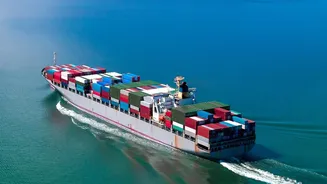
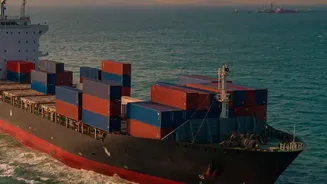
A central priority for the summit is to fortify economic resilience in a world marked by geopolitical friction and supply chain disruptions. Discussions are centred on creating more robust and diversified supply networks among member nations. Key initiatives include the BRICS Global Value Chains Action Plan for 2026-2030, which aims to make these chains more efficient and inclusive. There is also a significant push to support Micro, Small and Medium Enterprises (MSMEs) by helping them integrate into global trade. This involves creating platforms like an MSME cooperation portal and even a proposed invoice discounting mechanism to help smaller businesses with trade finance. The underlying goal is to reduce dependency on traditional economic corridors and foster a more self-reliant internal market.
The Technology and Innovation Nexus
Innovation is another core pillar of the summit's agenda. Cooperation is being sought in high-technology areas like artificial intelligence (AI), digital public infrastructure, and fintech. The aim is not just to share technology for its own sake, but to use it as a tool for development, improving service delivery and creating future-ready economies. The BRICS STI Framework Programme outlines specific areas for joint research, including AI, quantum computing, and solar energy technologies. For startups, a proposed BRICS Startup Innovation Fund and an Incubator Network are intended to create a vibrant ecosystem for new ventures across member states. This focus on technology extends to finance, with discussions around linking national digital payment systems and exploring cooperation on Central Bank Digital Currencies (CBDCs).
Implications for India and the World
For India, hosting the summit is an opportunity to steer the BRICS agenda towards its own strengths, such as digital innovation and a thriving startup culture. It also allows New Delhi to champion the interests of the Global South, pushing for reforms in global governance institutions like the UN, IMF, and World Bank. However, India also faces the challenge of navigating a complex geopolitical landscape within the bloc itself, with diverse interests among members, particularly concerning events in the Middle East. The summit's success will depend on its ability to find common ground on economic issues, even as political differences persist. Rather than positioning itself as an anti-Western alliance, India's push is to frame BRICS as a constructive platform for development and a more inclusive global order.