





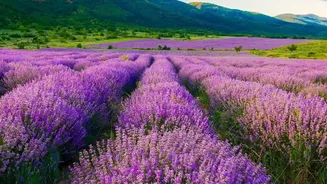
A Once-in-12-Years Spectacle
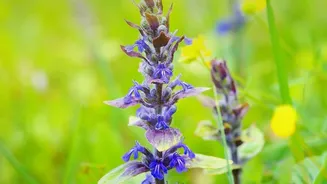
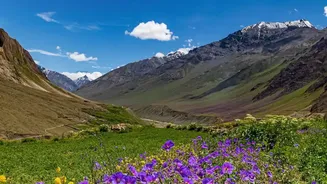
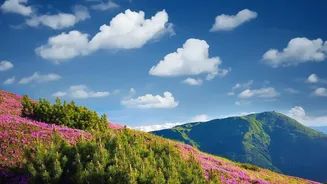
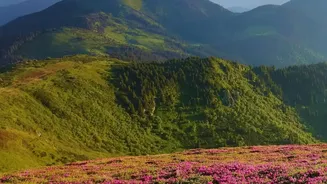
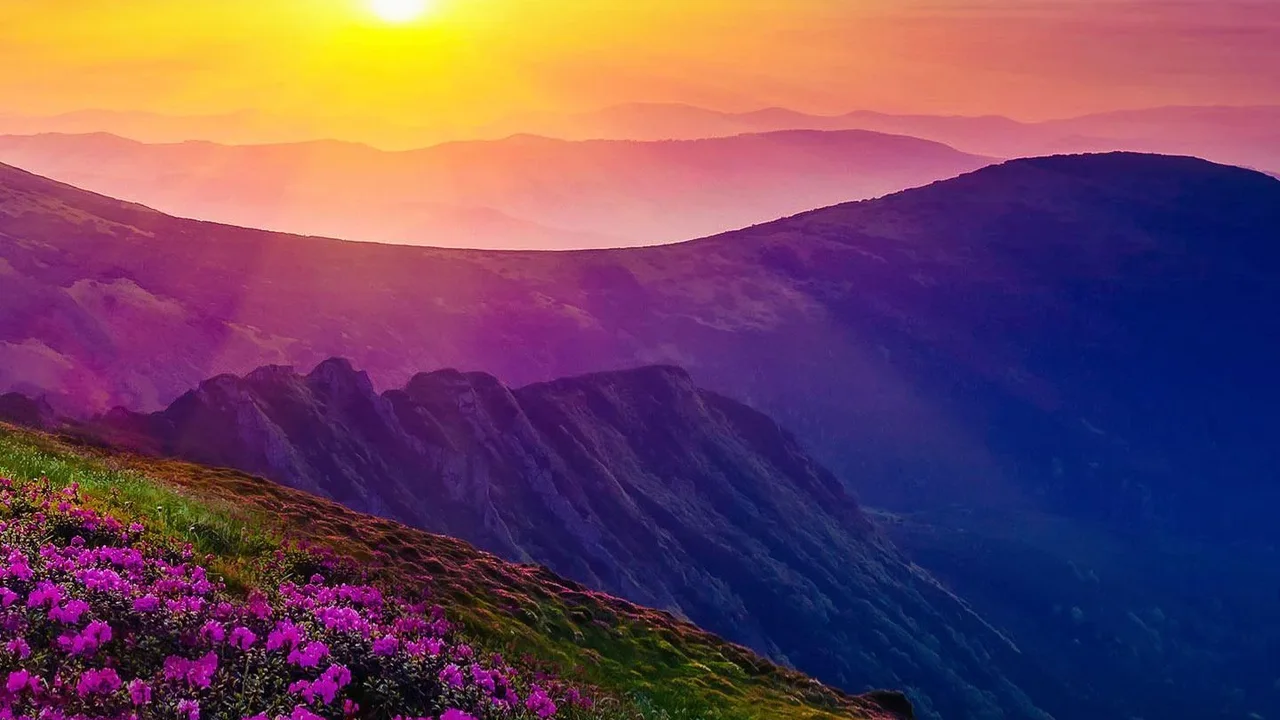
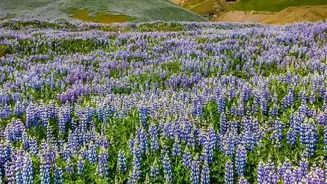
The wait is finally over. The hillsides around Munnar in Kerala have started to don their famous purplish-blue coat as the Neelakurinji flower, known scientifically as Strobilanthes kunthiana, has begun its once-in-12-years mass flowering. The bloom,
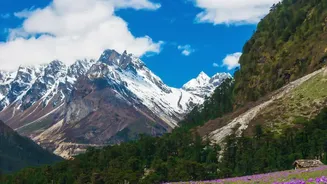
which started in August, is expected to reach its peak in September and October, carpeting the high-altitude grasslands in a vibrant display that draws nature enthusiasts from across the globe. This year, the main flowering is concentrated in the Chokramudi and Mattupetty-Korandakkad hills. Visitors were officially permitted into the Chokramudi area from August 24 to witness the phenomenon. Forest officials anticipate that as September unfolds, the bloom will extend to other higher slopes, including parts of Meesapulimala, Sevenmala, and Gundumala. It is a moment of natural artistry, patiently unfolding after more than a decade of quiet growth.
Understanding the Two Blooms of 2026 and 2030
There has been some confusion about the timing of this event, as the most widely publicised Neelakurinji bloom occurred in 2018 at Eravikulam National Park, with the next one there expected in 2030. However, this is not a case of the flowers arriving early. Different populations of Neelakurinji in the Western Ghats operate on separate 12-year clocks. The population currently flowering around Chokramudi and Mattupetty last had its mass bloom in 2014, making 2026 its scheduled year of return. So, while the famous Eravikulam bloom is still four years away, nature has offered a separate, equally stunning spectacle this year in a different part of Munnar. This makes 2026 a special opportunity for those who missed the 2018 event or simply cannot wait until 2030.
The Science of a Synchronised Bloom
The 12-year cycle is an incredible evolutionary strategy known as mass flowering or masting. The Neelakurinji shrub is monocarpic, meaning it flowers only once in its lifetime, sets a massive number of seeds, and then dies. This synchronized blooming is a survival tactic. By flowering all at once after a long gap, the plants overwhelm seed predators like rodents and insects, ensuring that enough seeds survive to germinate and begin the next 12-year cycle. This long interval starves predator populations, which cannot sustain themselves in the intervening years. When the bloom finally occurs, it is a grand, coordinated finale that secures the future of the entire population before the parent plants perish, their decaying matter enriching the soil for the next generation.
Cultural and Ecological Significance
The Neelakurinji is more than just a beautiful flower; it is deeply embedded in the region's culture and ecology. The very name of the Nilgiri Hills, or 'Blue Mountains', is believed to have been inspired by the purplish-blue carpet these flowers create. For local indigenous communities like the Paliyan and Muthuvan tribes, the blooming cycle has traditionally been used to calculate their age and mark the passing of generations. Ecologically, the plant is a vital indicator species for the health of the fragile shola grassland ecosystem where it grows. The mass flowering provides a feast for pollinators, and the plant itself helps prevent soil erosion on the steep mountain slopes. Recently classified as a Vulnerable species by the IUCN, its habitat faces threats from plantations, invasive species, and tourism pressure, making its protection crucial.
A Call for Responsible Tourism
The return of the Neelakurinji has understandably generated immense excitement, but authorities are urging visitors to be responsible. The flower is a protected species, and plucking or damaging the plants is a punishable offense. In fact, forest officials recently booked at least two individuals for uprooting the flowers for an Instagram post, a crime that can lead to fines and even imprisonment. Visitors are strictly advised to stay on designated trails, avoid littering (especially with plastics), and admire the flowers from a distance. The goal is to ensure this natural wonder can be witnessed by future generations without causing harm to its delicate habitat. Authorities are managing the tourist influx with designated viewing areas and may introduce visitor caps to protect ecologically sensitive zones.