







The Doctor Who Reached for the Stars
Anil Menon is not your typical astronaut, though his resume seems tailor-made for the job. Born in Minnesota to Indian and Ukrainian immigrants, Menon's journey is one of relentless pursuit of knowledge and service. He holds degrees in neurobiology, mechanical
engineering, and medicine from Harvard and Stanford. Before being selected as a NASA astronaut in 2021, he was an emergency room physician, a flight surgeon for the U.S. Air Force, and a first responder in disasters from Haiti to Nepal. Perhaps most notably, he was SpaceX's first-ever flight surgeon, where he helped build the medical program that supported the company's historic first human spaceflights, including the Inspiration4 all-civilian mission. His work involved everything from developing medical protocols to working on the development of the Starship, the vehicle designed for missions to the Moon and Mars. This unique blend of frontline medicine, aerospace engineering, and commercial space experience gives him an unparalleled perspective on the challenges ahead.
The Hidden Dangers of Deep Space
A trip to Mars isn't just a long haul; it's a journey through one of the most hostile environments imaginable. The human body, evolved for life on Earth, faces a barrage of threats. The most significant is space radiation, composed of galactic cosmic rays and solar particles that can damage DNA and increase the long-term risk of cancer and cardiovascular disease. Unlike astronauts on the International Space Station (ISS), who are largely protected by Earth's magnetic field, a Mars crew would be exposed for the entire multi-year trip. Then there's microgravity. The prolonged weightlessness causes fluids to shift upwards in the body, which can lead to vision problems and increased pressure in the skull. It also leads to bone demineralization and muscle atrophy, issues that require constant countermeasures. On top of the physical toll, the psychological stress of being isolated in a small capsule for years, with communication delays of up to 20 minutes each way, presents its own set of risks to crew performance and mental health.
On-Orbit Research for Off-World Problems
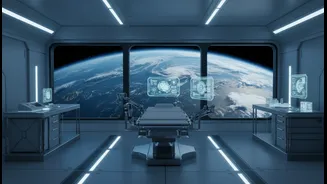
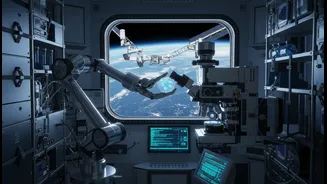
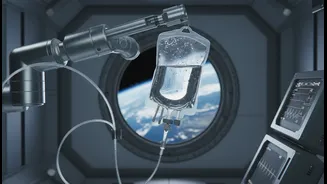
Menon’s current mission is a crucial part of solving these problems. Having launched to the International Space Station on July 14, 2026, he is now undertaking an approximately eight-month stay to conduct a suite of experiments. This mission isn't just about his own adaptation; it's about using the ISS as a laboratory for all future astronauts. His research will examine the physiological toll of long-duration spaceflight, including how microgravity affects blood flow, vein structure, and blood composition. One key area of his work involves testing technologies that could become lifesavers on a Mars mission. This includes developing systems to produce intravenous (IV) fluids from the station's own potable water, a critical capability when you can't just resupply from Earth. He is also performing ultrasound investigations using augmented reality and AI, pioneering methods that could allow astronauts to diagnose and treat medical issues autonomously, without real-time guidance from doctors back home.
Paving the Way to the Red Planet
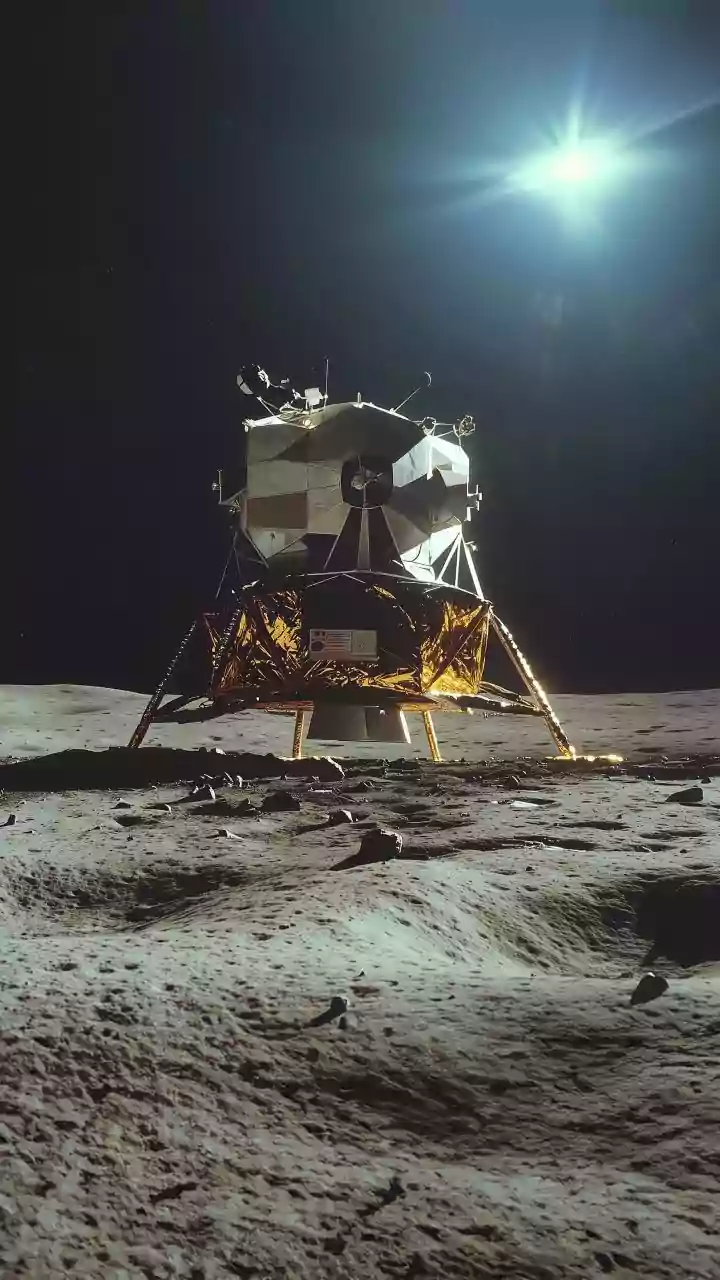
The research Menon is conducting aboard the ISS is not merely academic. It directly supports NASA's Artemis program, which aims to establish a sustainable human presence on the Moon as a stepping stone to Mars. Every piece of data gathered on how the human body copes with months in space, and every new medical technology tested, is a vital step toward making a three-year Mars mission feasible. For example, understanding how to mitigate bone loss or protect against radiation is not just a nice-to-have; it's a fundamental requirement for mission success and crew survival. The work on autonomous medical systems using AI is particularly vital, as the communication lag with Mars makes real-time medical consultations impossible. Menon and his fellow astronauts are, in effect, the test subjects and the scientists, refining the procedures and technologies that will keep the first Mars explorers healthy on their unprecedented journey.