





The 'Health Halo' of Colourful Smoothies
It’s easy to feel virtuous when you’re drinking a brightly coloured smoothie. The rich orange and yellow hues, derived from ingredients like mango, carrots, and pumpkin, signal the presence of carotenoids. These are beneficial plant pigments that our bodies
can convert into Vitamin A. We associate these colours with pure, unadulterated nature and assume we’re making a great choice for our well-being. This perception is powerful, creating a 'health halo' that can make us overlook other, less desirable components of the drink.
What Are Carotenoids, Anyway?
Carotenoids are a group of over 600 pigments found in plants, responsible for their red, yellow, and orange colours. When we consume them, they act as powerful antioxidants, protecting our cells from damage. Key carotenoids like beta-carotene, lutein, and zeaxanthin are celebrated for their roles in supporting eye health, enhancing the immune system, and potentially reducing the risk of certain chronic diseases. Since our bodies can't produce them, we must get them from our diet, making carotenoid-rich foods like carrots, sweet potatoes, and mangoes essential.
The Difference Between Natural and Added Sugar
This is where the story gets complicated. The sugar naturally present in a whole mango is packaged with fibre, vitamins, and minerals. This fibre slows down digestion, leading to a more gradual increase in blood sugar. Added sugars, on the other hand, are sugars and syrups put into foods during processing to enhance flavour. These are 'free sugars' with no nutritional baggage like fibre. Common names include high-fructose corn syrup, dextrose, sucrose, and fruit juice concentrates. Your body absorbs these much more rapidly, especially in liquid form.
How Liquid Added Sugar Negates the Benefits
When you drink a smoothie loaded with added sugar, you get a rapid spike in blood sugar and insulin. Unlike the slow release from whole fruit, this liquid sugar rush provides a large dose of energy that, if not used immediately, can lead to fat storage, particularly in the liver. Over time, frequent consumption of sugary beverages is linked to an increased risk of weight gain, type 2 diabetes, heart disease, and chronic inflammation. This inflammatory effect and metabolic stress can undermine the very antioxidant benefits you hoped to gain from the carotenoids in the first place. The drink that was supposed to be healthy ends up contributing to health problems.
How to Be a Savvy Smoothie Drinker
The key to enjoying a truly healthy smoothie lies in reading the label. Don't just trust the front of the bottle. Turn it over and look at the Nutrition Facts panel. Manufacturers are now required to list 'Added Sugars' separately from 'Total Sugars'. This line is your best friend. A product with 20% or more of the Daily Value (%DV) for added sugars is considered high. Also, scan the ingredients list. If you see sugar, corn syrup, or any ingredient ending in '-ose' near the top of the list, it's a sign the product is high in added sugar. Remember that seemingly 'natural' sweeteners like honey or agave nectar are still treated as added sugars by your body when put into a product.
Build a Better Smoothie at Home
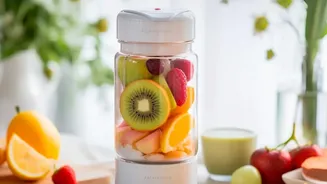
The most reliable way to control sugar is to make your own smoothies. By blending whole fruits and vegetables, you retain the crucial fibre that helps manage blood sugar. Start with a base of whole fruits like mango or banana, add in carotenoid-rich vegetables like carrots or a handful of spinach, and use water, milk, or unsweetened yogurt as your liquid. This approach gives you all the benefits of the vitamins, minerals, and carotenoids without the health risks associated with a high intake of free sugars.