





A Culinary Rescue Operation
In the coastal city of Mangaluru, a significant effort is underway to capture the essence of India's fading food traditions. Nitte (Deemed to be University) has officially joined the World Diet Initiative, a major international research collaboration.
This project brings together scientists and experts from 12 countries to document and study traditional diets from around the globe. The goal is to create a comprehensive database of these age-old eating patterns, understanding their deep connection to health and culture before they are replaced by modern, processed foods. Leading the charge for the regional network in India is Prof. Dr. Anirban Chakraborty, Director of the Nitte University Centre for Science Education & Research (NUCSER), placing Mangaluru at the heart of this vital preservation work.
The Global Picture: Two Ambitious Goals
The World Diet Initiative is not just about collecting old recipes; it is a scientific endeavour with two major components. The first is the World Diet Atlas, which will serve as a massive, freely accessible library of heritage diets from across the planet. It will detail not just the foods themselves, but also how they are sourced, prepared, and consumed within their cultural context. The second part, the World Diet Project, will scientifically investigate how these traditional food systems impact human health. By using standardised research methods, scientists can compare how different diets affect our metabolism, immune system, and gut microbiome, potentially unlocking new strategies for preventing chronic diseases.
Why Our Food Heritage Is Vanishing
The urgency of this mission stems from a rapid global shift in how we eat. Traditional diets, which evolved over centuries based on local ecosystems and seasonal availability, are being quickly replaced by Western-style diets dominated by industrially processed foods. This shift leads to a decline in dietary diversity and the loss of valuable knowledge passed down through generations. In Mangaluru and coastal Karnataka, this is particularly evident. Dr. Chakraborty points to the traditional diet of the region's fishing communities, which revolves around a simple yet profound "rice-fish-coconut" triad. This way of eating is intimately tied to the daily catch and seasonal harvests, a connection that weakens as globalised food choices become more common.
More Than Just Food on a Plate
Preserving these diets is about more than nostalgia. It’s a matter of public health and ecological wisdom. Research has shown that communities that stick to their heritage diets often report lower rates of lifestyle diseases like diabetes and cardiovascular disorders. A recent study in Tanzania, conducted by some of the initiative's founders, provided a stark example. Participants who switched from their traditional, high-fibre diet to a processed Western one showed increased markers for chronic disease in just two weeks. Documenting these food systems also supports biodiversity. Projects like the Slow Food Foundation's "Ark of Taste" catalogue endangered foods to encourage their cultivation and consumption, ensuring that unique plant and animal varieties don't disappear. By saving these diets, we also save the ecosystems and local economies they support.
The Taste of Tradition
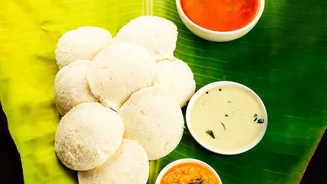
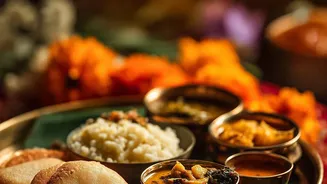
The food of the Tulunadu region, which includes Mangaluru, is a testament to what is at stake. It’s a cuisine rich with unique preparations that are often hyper-local and seasonal. Dishes like Moode, which are rice dumplings steamed in fragrant screw pine leaves, or Manjal da Irretha Gatti, a sweet steamed in turmeric leaves, carry the specific aroma and knowledge of the local environment. Even everyday staples like the region’s fish curry, or Meen Gassi, reflect a deep understanding of balancing local souring agents like kokum with fresh coconut. This initiative aims to document this unwritten knowledge—the kind found in family kitchens and community gatherings—and understand its value in a scientific context.