




What is Spare Capacity and Why Does it Matter?
Think of spare capacity as the global oil market's insurance policy. It is the volume of oil production that can be brought online within 30 days and sustained for at least 90 days. This extra supply acts as a crucial buffer, ready to be deployed during
unforeseen crises like geopolitical conflicts, natural disasters, or sudden production outages. When spare capacity is high, the market can absorb shocks, keeping prices relatively stable. When it's low, any disruption can send prices soaring, creating volatility that impacts everything from fuel costs at the pump to global economic stability. Essentially, this capacity is the difference between a country's maximum sustainable production and its current output, and historically, OPEC member countries have held almost all of it.
The Rise of Alternative Suppliers
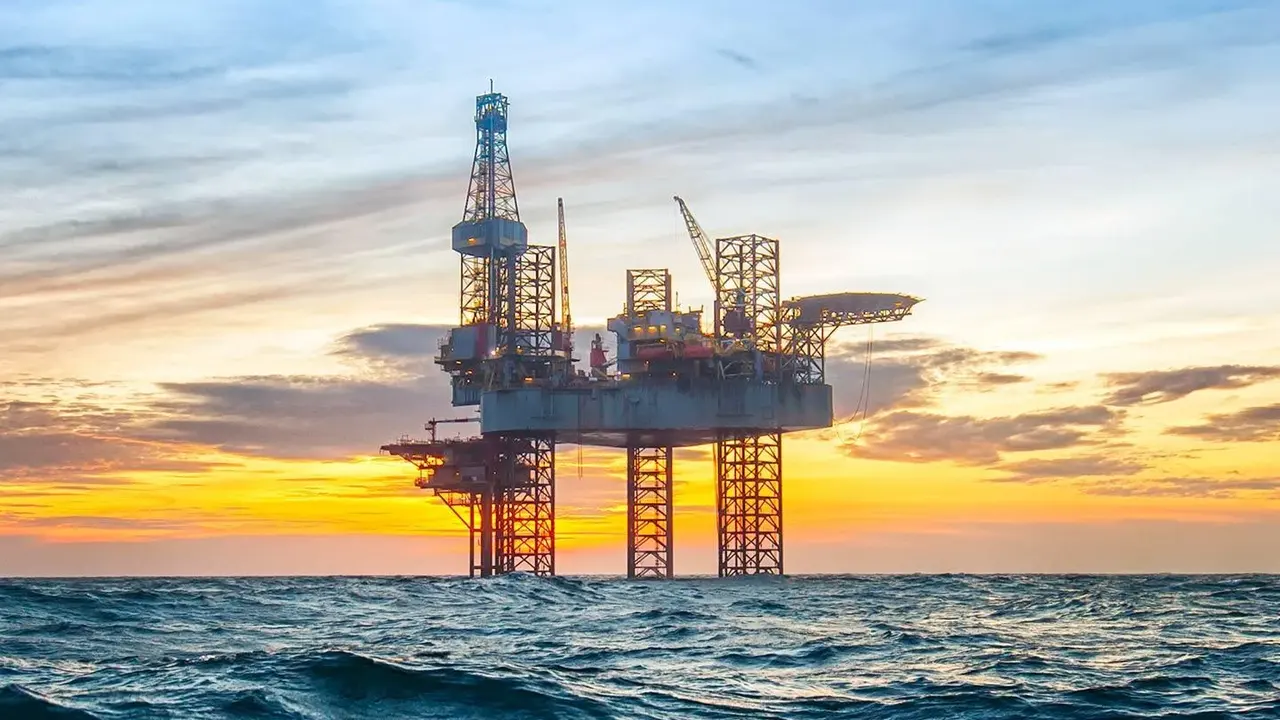
In recent years, a key positive development has been the growth of oil production from countries outside of the traditional Middle Eastern powers. The United States, in particular, has significantly ramped up its output, joined by other nations in the Americas like Brazil, Canada, and Guyana. This increase from non-OPEC+ producers has been a critical factor in stabilizing global supply, especially during periods of disruption. For instance, during recent conflicts in the Middle East that threatened passage through the Strait of Hormuz, increased exports from the Atlantic Basin helped to fill the supply gap for many nations, particularly in Asia. This diversification of sources has provided a much-needed layer of resilience to the global energy system, preventing more severe price shocks.
A Fragile Safety Net
Despite the welcome contributions from these alternative suppliers, the core problem remains: the world’s true spare capacity—the kind that can be switched on quickly in a major emergency—is not widely distributed. The vast majority of this crucial buffer is held by just a handful of OPEC nations, primarily Saudi Arabia and the United Arab Emirates (UAE). While countries like the U.S. produce a lot of oil, they tend to operate closer to their maximum capacity, leaving little room for a rapid surge. This means that when a major global disruption occurs, the world still looks to one or two key players in the Middle East to open the taps. This concentration creates a single point of failure for global energy security.
The Geopolitical Risk of Concentration
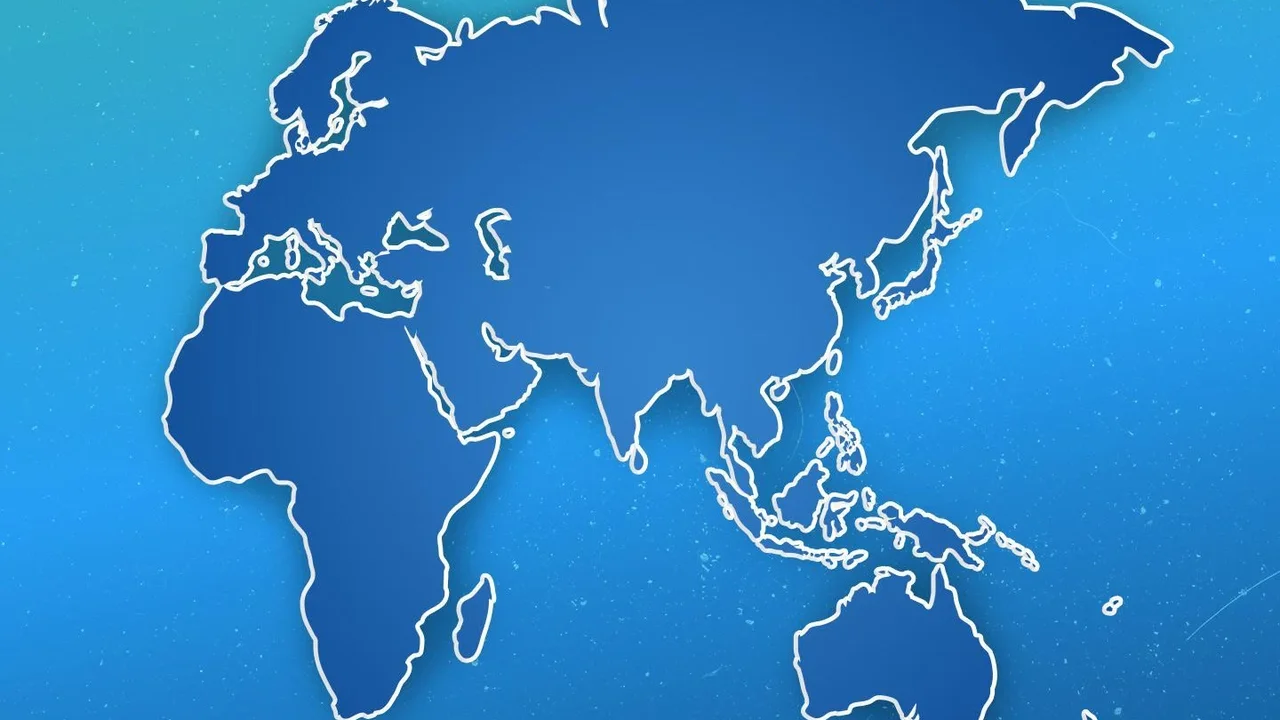
Having the world's emergency oil supply concentrated in a single, politically sensitive region is inherently risky. The Middle East is home to several geopolitical flashpoints, and any instability can threaten production or, just as critically, the transport of oil through chokepoints like the Strait of Hormuz. Nearly 20% of the world's seaborne crude oil passes through this narrow waterway. Recent military tensions have highlighted this vulnerability, causing supply disruptions and price volatility. If the nations holding spare capacity are themselves affected by a regional conflict, that insurance policy becomes inaccessible, leaving the global market dangerously exposed. This has prompted nations to explore alternative routes and pipelines to bypass these chokepoints, but such projects are expensive and take years to develop.
What This Means for India
For a country like India, which imports over 85% of its crude oil, this situation is particularly precarious. A significant portion of India's imports comes from the Middle East and travels through the Strait of Hormuz. Any supply disruption or price spike has a direct and immediate impact on the Indian economy, driving up the import bill, fueling inflation, and affecting consumers and businesses alike. Recognizing this vulnerability, India has been actively trying to diversify its oil suppliers, sourcing more from countries like the U.S. and Russia. Furthermore, the Indian government recently approved a major expansion of its Strategic Petroleum Reserves (SPR) to increase its domestic emergency stockpile, providing a bigger cushion against international market shocks.