
The Monsoon Challenge for Fresh Produce
The rainy season creates a perfect storm for food safety issues. Increased humidity and moisture in the air provide an ideal breeding ground for bacteria, fungi, and other pathogens. This affects all fresh produce, but especially fruits with soft flesh
and thin skins. During the monsoon, transportation and storage become more challenging, leading to a higher chance of produce being waterlogged or developing mould. Cut fruits sold by street vendors are particularly risky as they are exposed to contaminated water and airborne germs. Therefore, being selective about where you buy your fruits and how you handle them at home is crucial for staying healthy.
Why Papaya Deserves Special Attention
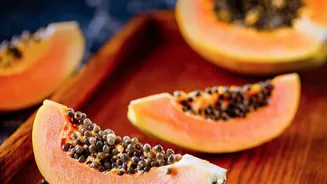
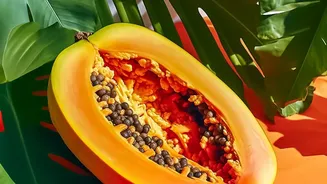
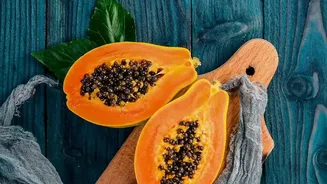
Papaya is a celebrated fruit in India, known for its digestive benefits thanks to the enzyme papain, as well as its rich content of Vitamins A and C. However, its delicate nature makes it particularly vulnerable during the monsoon. Overripe or bruised papayas spoil quickly in humid conditions and can harbour microbes that may cause stomach upset. The fruit's soft skin can be easily damaged, creating an entry point for bacteria like Salmonella, which has been linked to papaya-related outbreaks in the past. Furthermore, unripe papaya contains latex, which can be an irritant and should not be consumed raw. These factors make it essential to handle papaya with knowledge and care.
How to Select the Perfect, Safe Papaya
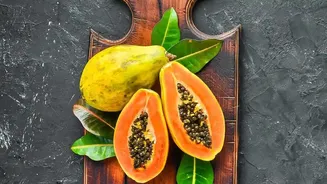
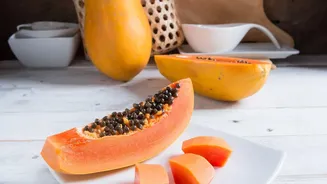
Choosing the right papaya at the market is your first line of defence. Look for a fruit that is mostly yellow or has a yellow-green hue, indicating it is ripe or will ripen soon. Gently press the skin; it should be firm but yield slightly to pressure, similar to an avocado. If your finger can easily puncture the skin, the fruit is overripe and best avoided. Steer clear of papayas with black spots, blemishes, bruises, or overly soft areas, as these can be signs of fungal contamination or internal damage. A fresh, ripe papaya will also have a subtle, sweet fragrance near its base; a lack of smell often means it's still unripe.
The Golden Rules of Storing Papaya
Proper storage is key to extending the life of your papaya and keeping it safe. If your papaya is still a bit green, you can let it ripen at room temperature for a few days, away from direct sunlight. Once it is ripe—mostly yellow and slightly soft—it should be moved to the refrigerator. An uncut, ripe papaya can last for up to a week in the fridge. Before cutting, wash the fruit thoroughly under running water to remove any surface contaminants. Once cut, store the pieces in an airtight container in the refrigerator and consume them within three to four days. Storing it in the crisper drawer can help maintain a stable temperature and humidity.
Best Practices for Preparation and Consumption
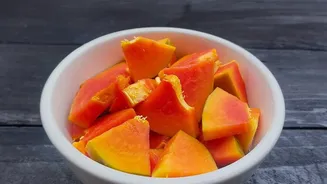
Your hygiene practices in the kitchen are just as important as your selection process. Always wash your hands with soap and water before and after handling the fruit. Use clean cutting boards and knives to prevent cross-contamination from other foods, especially raw meat. After scooping out the seeds, you can cut the flesh into cubes. It’s always best to consume cut papaya as fresh as possible. If the fruit develops any off-smells, an overly mushy texture, or visible mould after being stored, it is safest to discard it immediately. By following these simple but effective steps, you can confidently make papaya a healthy and enjoyable part of your monsoon diet.